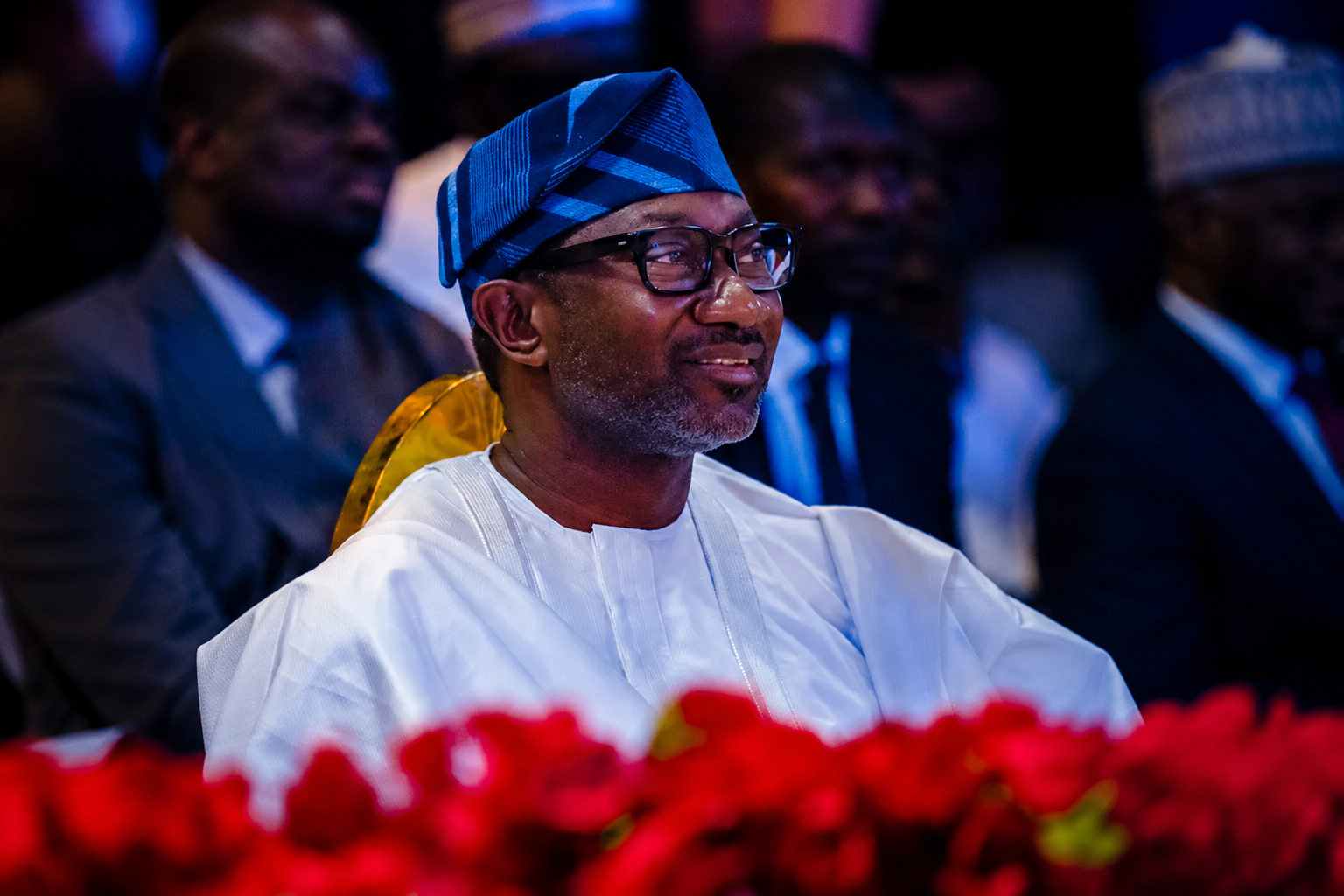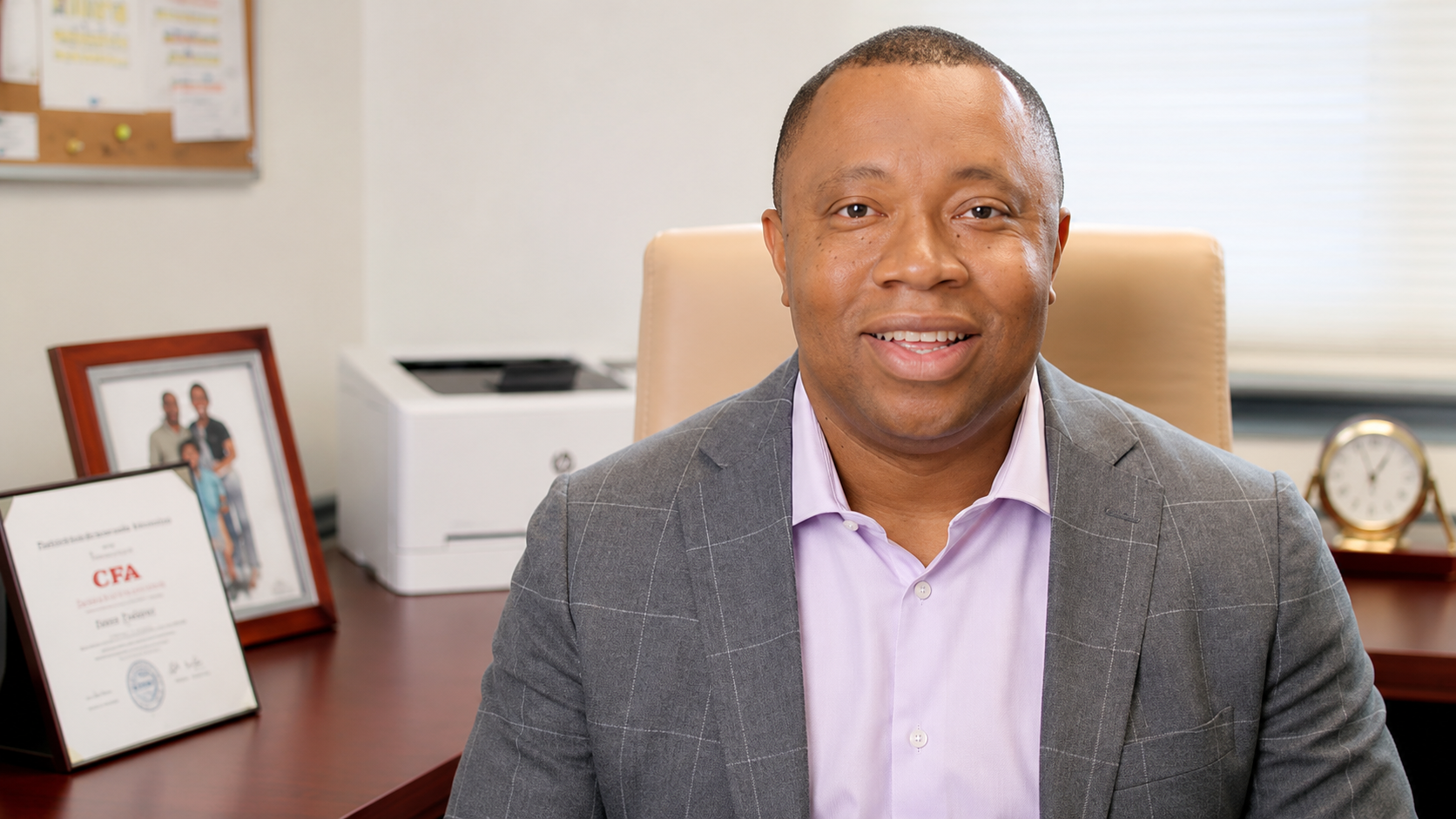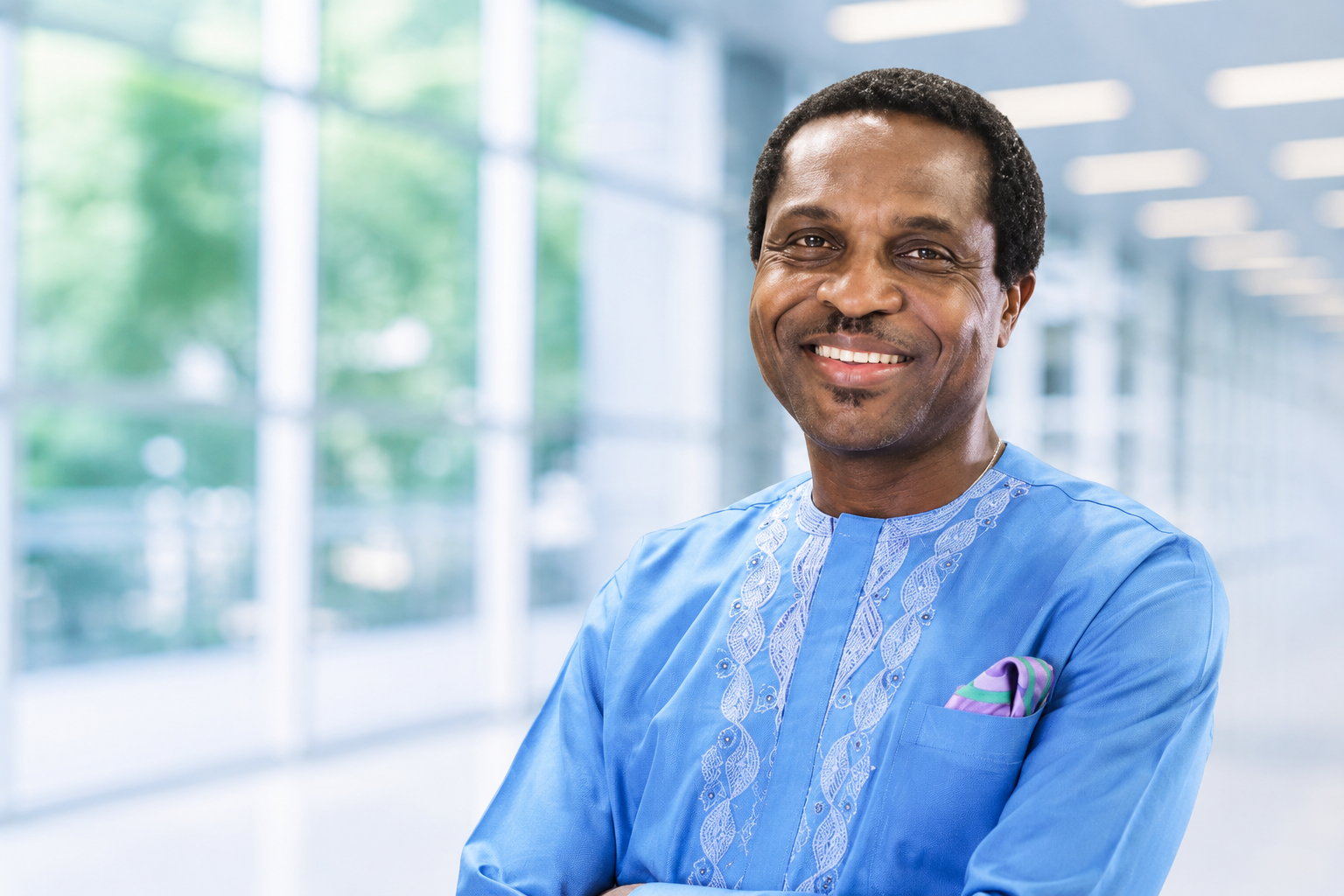
There are entrepreneurs who build successful companies. There are politicians who pursue public office. Then there are the rare individuals who cross both worlds and discover that influence, not wealth, ultimately determines the destiny of nations. Tonye Cole belongs to that rare class. As co-founder of Sahara Group, one of Africa’s largest energy conglomerates operating across more than 38 countries, Cole spent decades mastering the language of enterprise, investment, partnerships and global commerce. Yet after building a billion-dollar business, he chose an unlikely path, leaving the comfort of corporate boardrooms for Nigeria’s turbulent political arena. His story is not one of uninterrupted success. It is a journey marked by failure, reinvention, faith, devastating loss, resilience and an unwavering conviction that lasting impact requires more than financial success.
Speaking with Eche Emole and Chika Uwazie on the Afropolitan Podcast, Cole offered a deeply personal reflection on the experiences that shaped his worldview. Beneath the accomplished businessman and politician lies the story of a young architecture student whose entrepreneurial instincts emerged long before Sahara became a household name.
As a child, he spent countless hours building Lego structures, and at the University of Lagos, that fascination evolved into architectural model-making. Together with friends, he turned the uncommon skill into a thriving side business, producing scale models for architectural firms at a time when few people were offering such services. Even before graduation, he had rented an office and registered a company, convinced entrepreneurship was his future.
YOU CAN ALSO READ: From One Farmer’s Tears to an Agro Industrial Revolution: The Yemisi Iranloye Story
His father, however, saw a different path. Rather than rushing into business, he advised his son to spend five years working for established organisations to understand accounting, marketing, human resources, finance and the discipline required to manage people and money. Like many ambitious young entrepreneurs, Cole initially dismissed the advice. Yet life eventually proved his father right. Two years in Brazil and three years with an international engineering firm exposed him to global business, contract negotiations and organisational leadership, experiences that would later become foundational to Sahara’s success.
Ironically, those corporate years also became a trap. Cole enjoyed the privileges of expatriate life, earning in dollars, driving a company car and enjoying a level of comfort few young Nigerians could imagine. Gradually, the hunger that once fuelled his entrepreneurial ambitions began to fade. Then, almost without warning, political instability forced the multinational company to leave Nigeria. One day he had a prestigious career; the next, he had no job. Looking back, Cole sees the moment not as a setback but as divine intervention. Had the company remained, he believes he might never have found the courage to build what eventually became Sahara Group.
Starting Sahara in the 1990s demanded far more than business intelligence. Nigeria’s oil industry overwhelmingly favoured foreign companies, leaving indigenous firms struggling for credibility, especially when led by entrepreneurs in their twenties. Rather than complain about the system, Cole and his partners found an unconventional solution. They registered an international corporate entity and strategically presented themselves as representatives of a foreign-backed organisation. Potential clients who would normally dismiss young Nigerians became receptive, believing they were dealing with an established international company. It took nearly three years before many discovered that the supposedly foreign executives behind the business were, in fact, the Nigerian founders themselves. It was an early lesson that innovation sometimes lies not only in products but in strategy.
Every enduring company eventually faces a defining crisis, and for Sahara, that moment came when a new government assumed office and cancelled virtually every existing oil contract. Overnight, the business collapsed. Years of hard work disappeared in an instant. Rather than dwell on the loss, Cole chose to learn from it. Until then, Sahara depended heavily on one product and one market. The bankruptcy forced the company to rethink its strategy entirely, diversifying across products, markets and countries to ensure that no single government decision could again threaten its survival. What seemed like disaster ultimately became the catalyst for building a more resilient global business.
Perhaps the most compelling lesson from Cole’s journey is his conviction that many entrepreneurs misunderstand the relationship between wealth and influence. Contrary to popular belief, he argues that money does not create power. Instead, power shapes the environment within which wealth is created. Politics determines education, healthcare, infrastructure, regulation, security and investment confidence. Even billion-dollar companies cannot escape the consequences of poor governance. No business, he insists, can ever become greater than the country in which it operates. Regardless of global expansion, every Nigerian company still carries the identity and reputation of Nigeria. That realisation became one of the driving forces behind his decision to leave corporate success for politics.
Cole offers an unusually candid explanation of why Nigerian politics often discourages principled people. He compares it to a lottery where those with limited economic opportunities see political office as their only realistic path to wealth and social mobility. As a result, they pursue power with extraordinary intensity, while those entering politics primarily to serve approach the contest very differently. Yet despite experiencing the frustrations of electoral politics, Cole remains convinced that meaningful change cannot come from outside the system. He believes more ethical professionals must enter politics, understand party structures, mentor future leaders and remain committed long after elections have ended. Voting alone, he says, is only a small part of democratic participation.
Throughout the conversation, one principle repeatedly emerges: the power of compounding. Cole began saving as a teenager and has maintained the habit for more than four decades. His confidence today is not built merely on accumulated wealth but on the discipline of consistent growth. Relationships compound. Character compounds. Experience compounds. Reputation compounds. Even failures compound into wisdom. It is this long-term perspective that allows him to say, with remarkable confidence, that he no longer fears going broke.
Equally significant is his philosophy on partnerships. In an era where many business relationships eventually collapse, Sahara’s enduring partnership offers important lessons. Cole believes most partnerships fail for three reasons: conflicts over money, allowing family issues to interfere with business, and assembling partners with identical personalities. Successful partnerships, he argues, require complementary strengths rather than competing egos. Visionaries, cautious thinkers and relationship builders all have distinct roles, and sustainable organisations thrive when those differences are respected.
Behind Cole’s entrepreneurial success also lies an extraordinary story of family sacrifice. For nearly three years after Sahara’s founding, neither he nor his partners drew salaries, choosing instead to reinvest every available resource into the company. During that difficult period, it was his wife, then a young doctor completing her housemanship, whose modest income sustained the family, paid household expenses and provided stability while he pursued his entrepreneurial vision. Long before Sahara generated wealth, their marriage was sustained by shared purpose, trust and sacrifice.
Cole also speaks candidly about humility, distinguishing between outward displays of modesty and genuine inward humility. Public appearances, he argues, are meaningless if pride governs private motivations. Having witnessed gifted and influential people destroyed by arrogance, he consciously treats humility not simply as a moral virtue but as a practical leadership strategy. For him, lasting influence can only be sustained when power is balanced by character.
YOU CAN ALSO READ: ‘The World Is Not De-Globalising’ – Okonjo-Iweala Urges Africa to Capitalise on Global Shifts
The conversation takes an even more personal turn as Cole reflects on grief and mental health. Losing his mother at the age of eleven, witnessing close friends struggle with mental illness and observing the stigma surrounding behavioural health in Nigeria have all shaped his perspective. He believes the country must move beyond superstition and shame to recognise that mental health challenges can affect anyone and deserve understanding, compassion and professional care.
As the discussion draws to a close, Cole reveals that his greatest ambition is no longer measured by business expansion or political office. His focus is the next generation. He sees extraordinary intelligence, creativity and energy in young Nigerians but believes many simply lack direction. Like a powerful stream of water, he says, that energy can either destroy or transform depending on how it is channelled. His mission is to help provide that direction by mentoring leaders, encouraging principled participation in politics and inspiring young Africans to believe that meaningful change remains possible.
From an architecture student making models to earn extra income, to building one of Africa’s largest energy companies, surviving bankruptcy, entering politics and advocating for national transformation, Tonye Cole’s story is ultimately about far more than business success. It is a reminder that influence outlives wealth, that resilience is often forged through adversity, and that the most enduring legacies are built not merely through money, but through purpose, integrity, faith and the courage to keep reinventing oneself in pursuit of something greater.