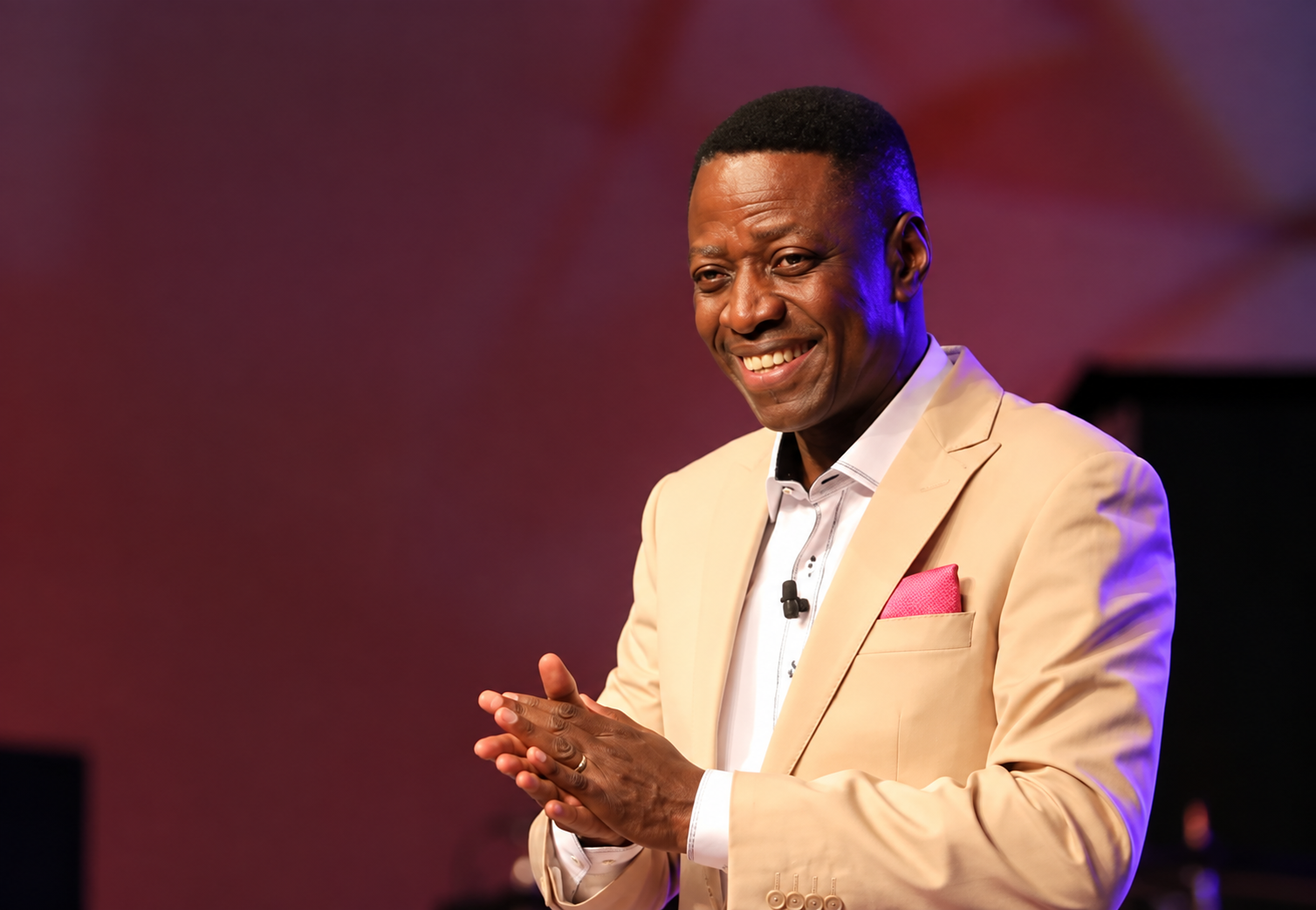
For Donald Duke, Nigeria’s greatest political problem was not simply who won elections. It was what happened after the votes had been counted.
The former Cross River State governor argued that the country had spent too much time perfecting the machinery of political competition while paying too little attention to the quality of governance that should follow. In his view, politics was necessary because it connected leaders to the people, but once power had been secured, governance had to take over.
Duke, who governed Cross River State for two terms, made the argument during a discussion on electoral policy, democracy and economic development. His central message was straightforward: Nigeria needed leaders who could separate the pursuit of political power from the responsibility of governing effectively.
He believed that politics allowed leaders to understand the pulse of the people, their expectations and the realities of their communities. But once elected, that political instinct had to give way to competence, merit and measurable delivery.
YOU CAN ALSO READ: How Life Camp Became a New Chapter in Abuja’s Property Story
Reflecting on his time in office, Duke said he had appointed people based on merit, removed those who failed to perform and established targets around what his administration wanted to achieve. For him, governance was ultimately about results and legacy.
“Politics is a vehicle for governance,” he argued, stressing that the two should not be confused. Leaders who remained permanently consumed by politics, he suggested, risked losing sight of the very people they were elected to serve.
His concern extended to Nigeria’s electoral system, which he described as being weakened less by a lack of laws than by poor enforcement. Nigeria had introduced several electoral laws since the return to democratic rule in 1999, but Duke questioned the value of repeatedly changing legislation when institutions failed to enforce existing provisions.
One of his strongest objections was to provisions that, in his interpretation, weakened the consequences for falsified credentials and documents. He argued that anyone seeking to lead a people should first be able to demonstrate personal integrity and provide properly verifiable qualifications.
For Duke, technology offered a major opportunity to reduce human interference in the electoral process. He argued that Nigeria had moved beyond the need for largely manual voting, counting and result management and should embrace systems capable of recording votes securely and transparently in real time.
The objective, he maintained, should be simple: every legitimate vote should be authenticated, recorded and traceable without compromising the secrecy of the ballot.
He was equally critical of the conditions surrounding electoral competition. Campaigning, he noted, was already expensive, while regulatory and administrative requirements could create additional barriers for candidates attempting to reach voters across the country. The result, in his view, was an electoral environment where financial strength and incumbency could significantly shape competition.
Duke also challenged the assumption that Nigeria’s presidential system could function effectively with an ever growing number of political parties. He argued that many of the country’s parties lacked genuine ideological foundations and instead operated largely as platforms for political contests.
The frequent movement of politicians between parties, he suggested, was evidence of a system in which political platforms were often treated as vehicles for accessing power rather than institutions built around clear ideas, values and long term programmes.
He believed political parties should face stronger requirements before being recognised as national platforms. A stronger threshold, he argued, would reduce the proliferation of parties and create a more meaningful political contest.
Yet his most fundamental concern was not the number of parties or the mechanics of elections. It was the quality of democracy itself.
Duke argued that Nigeria’s democratic institutions could not function effectively without genuine independence, particularly within the electoral and judicial systems. He questioned the independence of an electoral commission whose leadership was appointed by the executive arm of government and argued that the referee in an election should not be selected by one of the players.
He also expressed concern about the judiciary’s role in electoral disputes. In his assessment, election litigation had become almost ritualistic, with losing candidates routinely proceeding from tribunals to higher courts. He called for a judicial system that was not only independent but demonstrably independent.
For Duke, democracy ultimately depended on sincerity of purpose. Laws, institutions and elections could only deliver meaningful outcomes when those responsible for them were committed to making the system work. That philosophy also shaped his view of economic development.
He argued that Nigeria had to stop measuring national progress primarily through foreign reserves, exchange rates and other headline financial indicators and instead focus more directly on the productivity of its citizens.
The real measure of an economy, in his view, should be how many people were productively engaged, earning incomes and contributing to economic activity.
Duke linked many of Nigeria’s security challenges directly to economic hardship. Poverty, unemployment and limited opportunity, he argued, created conditions in which crime and other forms of economic desperation could thrive.
He therefore proposed a broader conception of government, one centred on creating a safe and orderly environment in which citizens could become productive.
Education, infrastructure, employment, economic policy and social programmes, he suggested, should ultimately serve that objective.
His argument was rooted in a simple observation: a government could accumulate impressive statistics while its citizens continued to become poorer. Development, therefore, had to be experienced by people rather than simply reported through official figures.
For Duke, Nigeria’s leadership challenge was consequently much bigger than winning elections. It was about finding leaders with the competence, experience and integrity to transform political power into measurable improvements in people’s lives.
He urged Nigerians to approach elections without excessive sentiment and to judge candidates by their records. Citizens, he argued, would not choose a doctor to treat a serious illness simply because the doctor shared their ethnicity or religion. They would look for competence. Political leadership, he believed, deserved the same standard.
YOU CAN ALSO READ: Building an African Food Economy Ready for the Century Ahead
His message was particularly pointed as Nigeria approached another election cycle. Rather than choosing candidates based primarily on identity, wealth or political alliances, Nigerians should examine what candidates had actually achieved, whether their records were verifiable and whether they had demonstrated the capacity to govern.
Duke’s own political journey gave weight to his argument. He had entered office relatively young, served two terms as Cross River State governor and built a reputation around governance and development. His insistence that politics should eventually give way to governance was therefore not merely theoretical.
It was the philosophy through which he wanted his public record to be understood. For him, the ultimate test of leadership was not how effectively a politician won power, but what that politician did with it.
And in a country where political competition often dominates public conversation, Donald Duke’s argument offered a different measure of success: win the election, then get on with the business of governing.