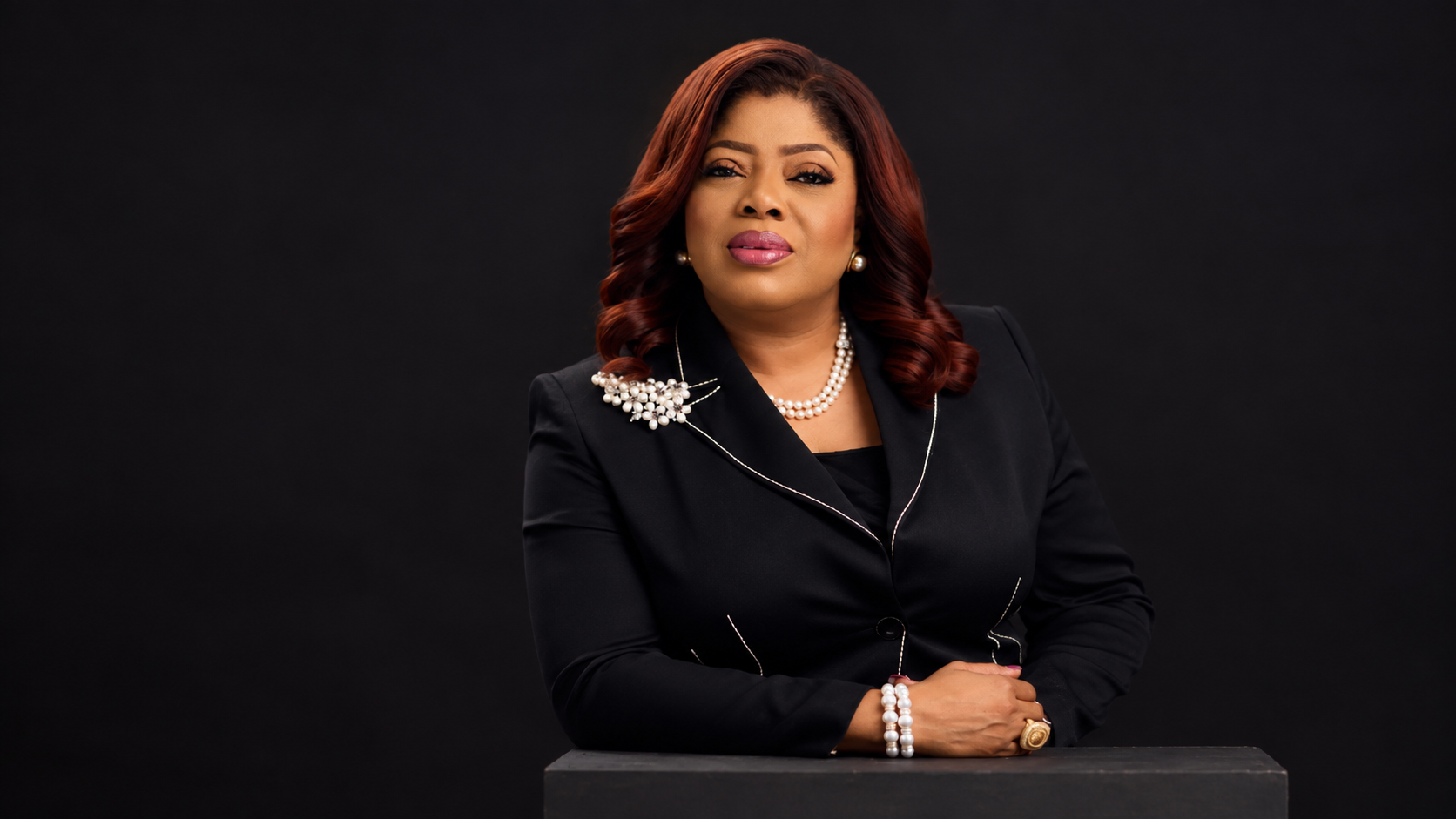
Entertainment was big business. But for Mo Abudu, it was also a vehicle for changing perceptions, building industries and giving African stories the opportunity to travel far beyond the continent.
For more than two decades, Abudu had operated at the intersection of storytelling and enterprise, steadily building what she described as an ecosystem for Africa’s creative economy. From television and film to production, distribution, training, hospitality and live entertainment, her ambition had extended beyond making content to creating the infrastructure that allowed African creativity to survive, scale and compete globally.
At the heart of that journey was a woman who had not begun her career in entertainment. Abudu had spent years in human resources, including a decade at ExxonMobil after returning to Nigeria from England. But as she approached 40, she had begun to feel increasingly restless and questioned what the next chapter of her professional life would be.
YOU CAN ALSO READ: Mo Abudu Is Still Building
The answer had been media. With no formal experience in television, she had taken a leap into the unknown and created Moments with Mo, which became the first Pan-African talk show of its kind across the continent. Her first attempt at producing the programme had failed so badly that the entire season ended up in the trash. Rather than retreat, she started again, and the programme eventually found its way onto DStv.
That experience became a defining pattern in Abudu’s career: identifying an opportunity, taking the risk, learning from setbacks and building again. Her motivation was also deeply connected to representation. Having grown up in England, she had become increasingly conscious of how Africa was portrayed to the rest of the world and came to believe that Africans needed to take greater responsibility for telling their own stories.
She had argued that African narratives needed to move beyond the familiar depictions of disease, despair, disaster, destitution and deceit, while allowing the continent to tell stories that showed both its struggles and its victories.
Two decades later, that philosophy had evolved into a sprawling creative ecosystem. Through EbonyLife Media and its various ventures, Abudu had pursued opportunities across production, distribution, exhibition, training and hospitality. EbonyLife Place, where the conversation took place, embodied that broader vision, bringing film, food, art, fashion, entertainment and community together.
But perhaps the most revealing part of Abudu’s philosophy was how she defined her role. She did not describe herself as a traditional filmmaker. Instead, she saw herself as a studio executive who invested in filmmakers and created the conditions in which they could do their best work.
For her, building a film industry had not simply been about producing movies. It had required trained filmmakers, financing, distribution channels, cinemas, streaming platforms and audiences. Her approach had therefore focused on building an ecosystem rather than relying on isolated successes.
Her EbonyLife Creative Academy reflected that philosophy. The academy trained emerging filmmakers without charging them, helping to develop a pipeline of directors, producers, writers and cinematographers who could contribute to the industry’s future.
Abudu had also been unapologetic about treating entertainment as an industry rather than a hobby. She had moved comfortably between the language of creativity and the language of balance sheets, constantly considering production costs, revenue and efficiency.
She explained that every cinema seat represented a commercial transaction, with customers buying tickets, food and beverages, while films carried production, distribution and international revenue opportunities. For Abudu, the magic of storytelling had not eliminated the mathematics of business; it had made understanding those numbers even more important.
She had argued that African entertainment needed to be treated as a serious commercial sector, with significant value to be generated through the export of culture. Her larger ambition had been to move African entertainment from “local for local” to “local for global”.
Over the years, EbonyLife had entered development partnerships with major international companies, including Sony, Lionsgate, AMC and Disney. Yet Abudu acknowledged that getting a project into development was different from getting it commissioned. The gap between development and actual funding and production had remained one of the industry’s significant challenges.
That challenge had also reinforced Abudu’s global ambitions. She had argued that African filmmakers should not be restricted to earning only in naira from stories created on the continent. With the right infrastructure, films produced in Nigeria could generate revenue in pounds, dollars and other international currencies.
That thinking had informed the rationale behind EbonyLife Place London, which she described as a gateway through which Nigerian and African films, culture and creative products could reach audiences and markets abroad.
The vision had extended beyond cinema. At EbonyLife Place, African culture had been curated and commercialised through food, music, fashion and art. Local artists had been given opportunities to exhibit their works, while Afrobeat had its own dedicated space and fashion pieces associated with prominent African performers had become part of the environment.
For Abudu, culture had therefore been presented not merely as heritage, but also as an economic asset. She had maintained that Africa did not only have stories to tell; it had stories to sell, and strategic commercialisation could help preserve, amplify and finance those stories.
At 62, Abudu said her focus had increasingly shifted towards the next generation. She wanted emerging filmmakers to bring her their scripts and films and explore how they could be financed and brought to audiences.
Her confidence in the talent emerging from Nigeria had remained strong, particularly with Nigerian productions gaining access to international film festivals and global platforms. She had also pointed to the role of the Creative Academy in ensuring a continuing pipeline of directors, producers, writers and other creative professionals.
Her message to young creatives had, however, been straightforward: ideas were not enough. They had to move beyond phones, laptops and imagination and become real projects.
She had acknowledged that rejection, delays and setbacks were inevitable, but urged young people to understand why opportunities had been rejected, rethink their approach, return to the drawing board and keep moving.
That philosophy had closely mirrored her own career. The woman who had once walked into DStv with an idea for a Pan-African talk show, only to discard her first season and start again, had gone on to build an expanding creative ecosystem designed to give African storytellers more places to learn, create, distribute and earn.
YOU CAN ALSO READ: Tinapa, Duke and Imoke: The Story Behind Cross River’s Unfinished Tourism Dream
Abudu’s journey had therefore been about more than becoming a prominent figure in Nigerian entertainment. It had been about recognising storytelling as infrastructure.
A film could create jobs. A cinema could generate revenue. A training academy could create careers. A streaming platform could expand access. A restaurant could preserve culture, while an international venue could open a new market.
Together, those pieces had formed something larger than entertainment. They had formed an industry.
And behind that industry had been Abudu’s enduring belief that African stories did not have to remain on the margins of global culture. With vision, investment and persistence, she believed they could become some of Africa’s most valuable cultural exports.