Nigeria’s fashion story had long been told through the lens of creativity, runway glamour, and global recognition. But a new chapter was quietly being written, one that shifted the centre of gravity from aesthetics to industry, from visibility to production, and from talent to infrastructure. At the heart of this transition was the founder of Tiffany Amber and one of the earliest architects of modern Nigerian fashion, Folake Akindele.
With nearly three decades of experience, she stood at the forefront of a bold new industrial push: a garment manufacturing initiative at the Quir factory that was expected to generate 4,000 jobs and reshape the country’s production landscape. Speaking on the milestone, Akindele described it not as a corporate expansion, but as a deeply personal turning point. “This moment brought together nearly 30 years of experience,” she said. “We always had the creativity and talent, but not always the manufacturing capacity to match our ambition.” For Akindele, the initiative represented more than infrastructure. It was a correction of history.
When she launched Tiffany Amber in the early days of Nigeria’s fashion industry, designers worked in a fragmented ecosystem. Creativity was abundant, but production systems were limited, inconsistent, and largely informal.
“We were stepping into managing a production system that Nigerian fashion had long needed,” she explained. “Uniforms, sportswear, corporate apparel, large scale manufacturing. But beyond production, it was about bridging creativity and execution.” She credited the enabling environment created by the state government under Abdul Rahman Abdul Razaq, noting that such infrastructure investment was essential for scaling the industry beyond boutique fashion.
YOU CAN ALSO READ: Femi Otedola: The Billionaire Building Legacy Beyond Wealth
Beyond fashion headlines, the scale of the project was significant. A workforce of 4,000 translated into a wide industrial ecosystem, not just tailors and sewing lines, but also pattern makers, quality control specialists, logistics teams, administrators, and trainers. Akindele was particularly focused on the social impact.
“Globally, the garment industry had always been a pathway for women into skilled employment and financial independence,” she noted. “We expected about 80 percent of the workforce to be women. That changed families, communities, and futures.” In her view, each job represented more than income. It represented skill acquisition, economic mobility, and long-term empowerment.
Despite Nigeria’s global visibility in fashion, Akindele was candid about the structural gaps that remained. “The first challenge was infrastructure,” she said. “Many brands still operated from small studios. Talent existed, but scale was constrained.” She also highlighted three persistent bottlenecks: access to funding, technical education, and global market penetration.
“Fashion was increasingly recognized as an economic driver, but financing remained difficult even for established brands. And we still needed stronger supply chain knowledge and production expertise.” Her conclusion was direct. Creativity alone was no longer enough. “Nigerian fashion could not rely on talent alone. It had to be supported by systems.”
Over the past two decades, Nigerian fashion had evolved from a domestic craft ecosystem into a globally visible industry. Designers appeared on international runways, dressed global celebrities, and influenced conversations about African luxury. Yet Akindele believed the industry was at a turning point. “We were no longer asking for permission to be on the global stage,” she said. “We were already there. The next phase was structure, manufacturing, export, and scale.” She described Nigerian fashion as one of the country’s strongest creative exports, but warned that without industrial depth, global relevance could remain limited.
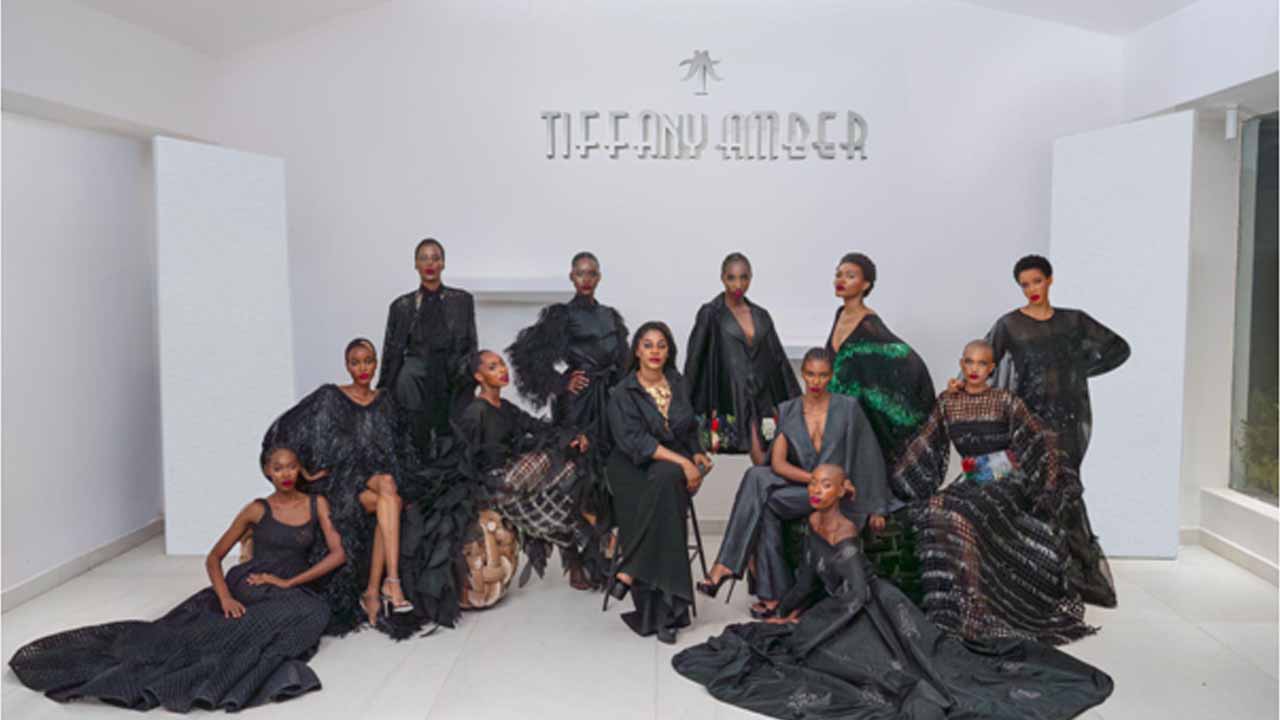
“When I started, we built everything on passion and belief. There was little structure, but there was immense creativity,” she recalled. Over time, she saw a new generation of designers become more confident, globally aware, and digitally connected. “Social media changed everything. Access changed everything. Nigerian fashion now had a voice that was unapologetically its own.”
YOU CAN ALSO READ: Mark Zuckerberg Cuts 8,000 Jobs as Meta Bets Bigger on AI Expansion
For Akindele, the Quir factory initiative was not just about immediate impact. It was about institutional memory. “My hope was that years from now, people would say this was part of the shift,” she said. “That it helped move Nigerian manufacturing forward.” Sustainability, she argued, rested on three pillars: people, systems, and standards. Train people well. Build strong operational systems. Maintain excellence consistently.
Asked about her proudest moment, Akindele paused not to list awards or milestones, but to reflect on impact. “It was when I received messages from people saying Tiffany Amber shaped their special moments,” she said. “Or that it understood what women wanted to wear before they even knew it themselves.” For her, legacy was not a single achievement. It was sustained influence across generations. As Nigerian fashion entered a new industrial phase, her journey mirrored its evolution: from creative ambition to structured possibility, and now toward manufacturing power. The runway, it seemed, was only the beginning.