As artificial intelligence rapidly transforms creative industries around the world, a familiar question has emerged: Will machines eventually replace human storytellers? For many animators, the rise of generative AI has sparked concerns about originality, job security and the future of artistic expression itself. But for Damilola Solesi, the conversation is far more nuanced.
Speaking during an interview on Channels Television’s Entertainment News, she offered a balanced and refreshing perspective that embraces innovation without diminishing the value of human creativity.
Rather than viewing artificial intelligence as an existential threat, Solesi sees it as an opportunity to strengthen Africa’s storytelling ecosystem, provided artists remain at the centre of the creative process. Creativity, she argues, can never be outsourced because authentic storytelling is born from lived experiences, emotions and cultural memory.
YOU CAN ALSO READ: Why Vusi Thembekwayo Believes Dialogue Is Africa’s Greatest Untapped Resource
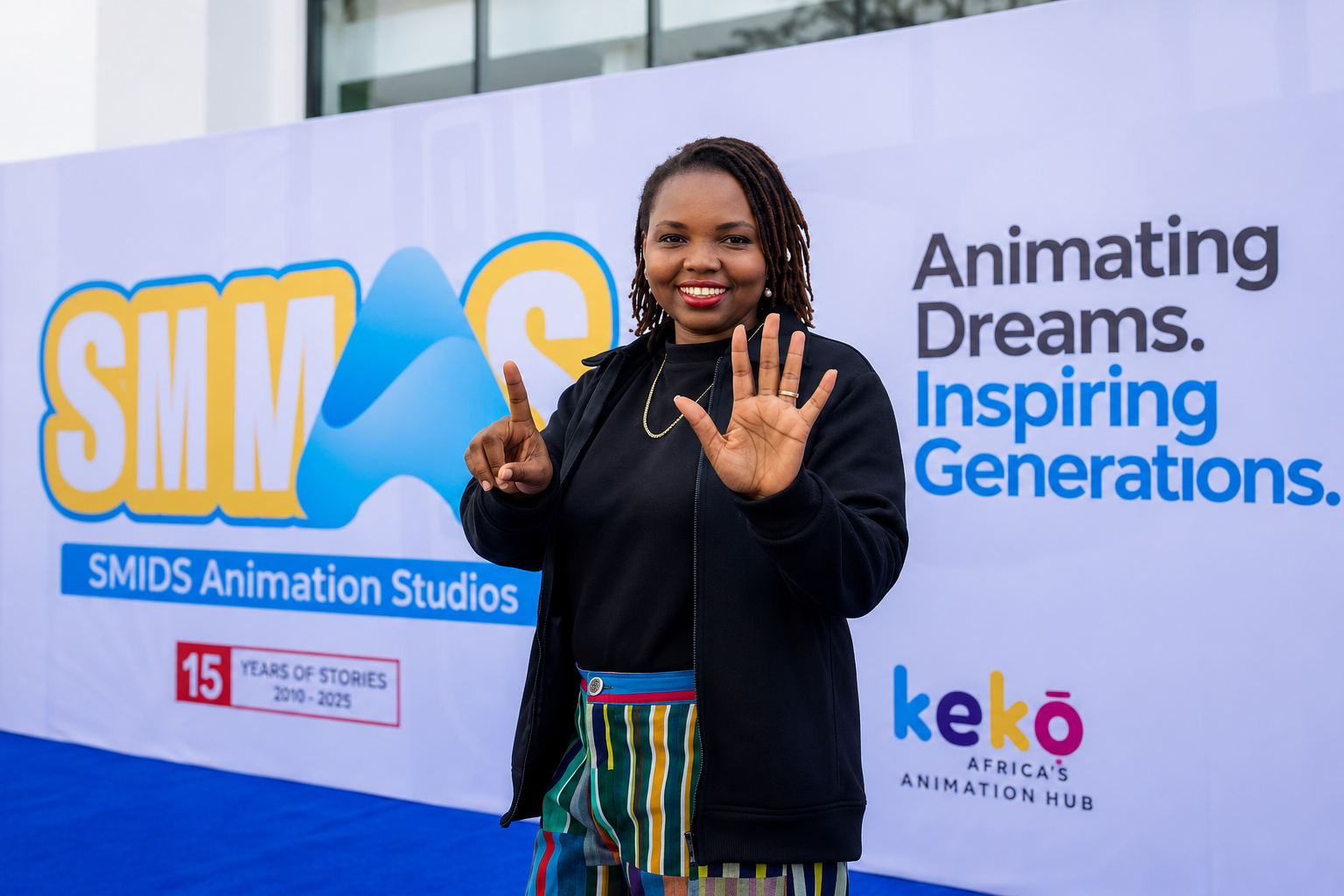
As Founder and CEO of Smids Animation Studios, Solesi has spent years building a platform dedicated to transforming African stories into globally relevant animated experiences while nurturing a new generation of creators. For her, technology should function as an enabler rather than a replacement. While acknowledging the rapid advancement of generative AI, she believes the next generation of AI will move beyond simply generating content and instead provide practical tools that help animators work faster, smarter and more efficiently.
Her perspective reflects a growing shift within the global creative economy. Rather than resisting technological disruption, African creators are increasingly asking how emerging technologies can solve longstanding challenges within the industry. For animation studios, those challenges are significant. Producing world-class animation requires sophisticated rendering systems, expensive software, uninterrupted electricity and highly specialised talent whose expertise often takes years to develop.
According to Solesi, passion alone is no longer enough to sustain the industry. Animation in Nigeria has evolved beyond the era of passion projects and now requires deliberate investment and strategic collaboration. Institutional funding, private sector sponsorship and supportive government policies have become essential if African animation is to scale and compete globally.
Even after 15 years of building Smids Animation Studios, Solesi still describes the industry as being at “day one.” It is not a statement of limitation but an acknowledgement of the vast opportunities that remain untapped. Those opportunities, she says, are embedded in Africa’s extraordinary wealth of stories waiting to be brought to life.
From centuries-old folktales and historical narratives to contemporary African realities, the continent possesses a limitless archive of stories capable of captivating audiences worldwide. Beyond animation itself, related sectors such as visual effects also present immense possibilities for expansion and innovation.
There are already signs of progress. Solesi revealed that her studio now employs a growing team of professionals, demonstrating the increasing influx of talent into the industry. Yet talent alone cannot sustain the momentum. She emphasised the need for an interconnected ecosystem where government institutions, private organisations, educational institutions and creative platforms collaborate more intentionally to support growth.
Today, Solesi has emerged as one of the leading voices in Africa’s animation industry, advocating not only for technological innovation but also for a cultural renaissance rooted in indigenous storytelling.
Perhaps her strongest advocacy is reserved for Africa’s children.
She expressed concern about the disappearance of localised children’s programming from Nigeria’s mainstream media landscape. Today’s children, she observed, are overwhelmingly consuming foreign content, a stark contrast to previous generations that grew up watching programmes such as Tales by Moonlight and other locally rooted productions.
For her, this is more than an entertainment issue; it is a cultural imperative. Children’s content shapes identity, influences development and helps young audiences understand who they are and where they come from. When children are disconnected from stories that reflect their own realities, they risk losing touch with their cultural heritage.
Yet she remains optimistic because a new generation of African creatives is beginning to change that narrative.
YOU CAN ALSO READ: The Man Racing to Shrink the Distance Between Ideas and Reality
She points to one remarkable opportunity: Africa is home to more than one billion young people under the age of 18. That demographic reality represents one of the world’s largest untapped audiences. Her mission, she says, is simple yet profound: create content for the next one billion children.
That mission extends beyond animated films. It includes educational programmes, music, television series and an entire ecosystem of child-focused content designed to support learning, growth and identity formation. While the business models are still evolving and value chains remain underdeveloped, Solesi believes the demand is undeniable.
In an age increasingly shaped by algorithms and automation, her message is both timely and profound. The future of African animation will not be determined by how quickly machines can generate images. It will be determined by how intentionally Africans preserve, reimagine and share their own stories with the world.
Technology may accelerate the process, but the soul of storytelling will always remain deeply and unmistakably human.