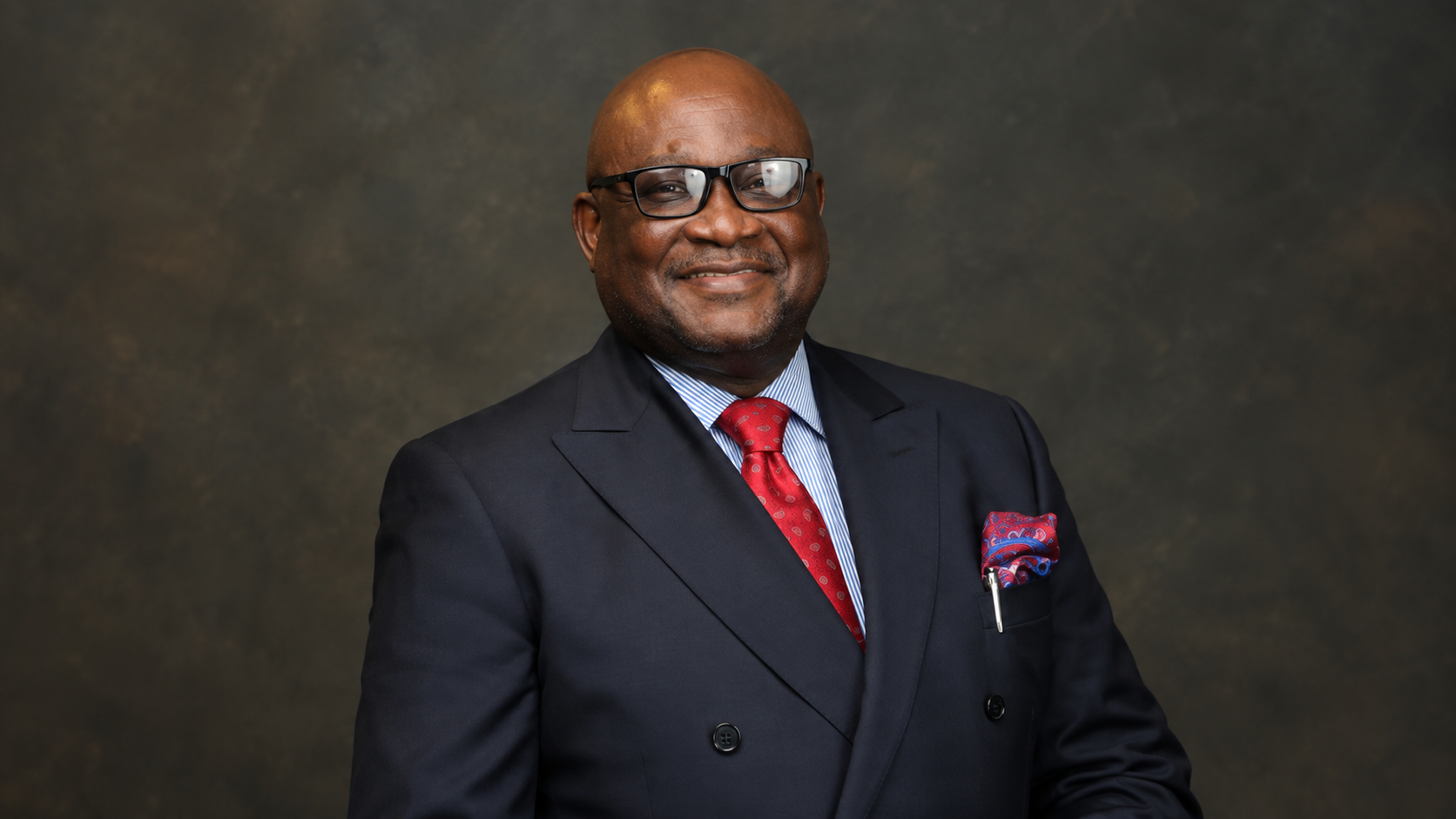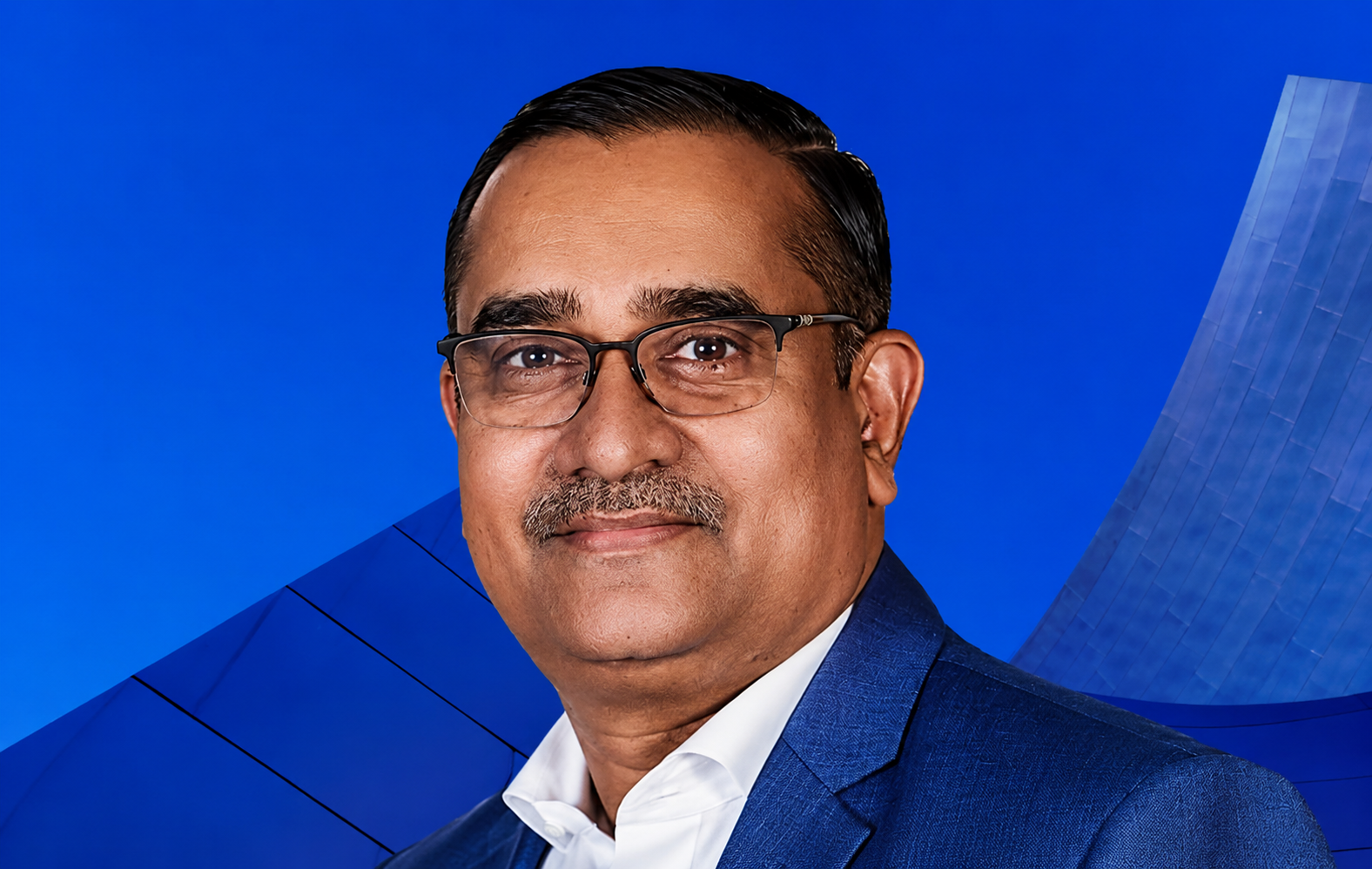
The race for economic dominance in the 21st century is no longer being fought solely through natural resources, industrial capacity or financial capital. Increasingly, it is being determined by who controls data, where that data resides and who ultimately governs access to it. Across the world, nations are redefining the concept of sovereignty, recognising that data has become one of the most strategic assets of modern economies. For theChief Executive Officer of UniCloud Africa Limited, Dr. Krishnan Ranganath, Nigeria’s latest efforts to localise payment data represent more than a regulatory shift; they signal a decisive step towards securing the nation’s digital future.
Dr. Ranganath described the Central Bank of Nigeria’s directive requiring banks, fintechs and payment service providers to localise transaction data and disclose ultimate beneficial ownership as both necessary and overdue. In his view, data is no longer merely an operational asset but a strategic national resource that carries significant economic, security and developmental implications.
For years, vast amounts of Nigerian data have been stored outside the country’s borders, often in data centres located in Europe, North America and the Middle East. While global cloud infrastructure has accelerated digital adoption, Dr. Ranganath believes excessive dependence on foreign systems exposes Nigeria to vulnerabilities that many organisations underestimate.
YOU CAN ALSO READ: The Man Racing to Shrink the Distance Between Ideas and Reality
The issue, he argues, extends beyond storage capacity. It is fundamentally about ownership, control and sovereignty. When sensitive financial information resides outside Nigeria, the country surrenders a measure of oversight over one of its most critical national assets. Regulatory agencies face limitations in accessing information, while businesses become subject to foreign legal frameworks and data protection policies that may not always align with Nigeria’s national interests. His position reflects a broader global movement. Across advanced economies, governments are increasingly implementing policies that prioritise digital sovereignty and strengthen local control over critical data infrastructure. According to Dr. Ranganath, Nigeria’s recent initiatives align with these international trends and should be viewed as part of a broader strategy to safeguard the country’s digital economy.
By January 2027, fintech companies, digital banks, mobile money operators and payment service providers storing data outside Nigeria will be expected to relocate that information locally. While some organisations may view this timeline as ambitious, Dr. Ranganath remains confident that Nigeria possesses the necessary infrastructure to support the transition. In his assessment, the country already has world-class data centres capable of handling significant volumes of digital traffic, with several facilities operating at international standards and additional investments underway to expand capacity.
The challenge, he insists, is not technological. It is a matter of confidence. Nigeria, he argues, must overcome its longstanding tendency to place greater trust in foreign solutions than in domestic capabilities. Building a sustainable digital economy requires a deliberate shift in mindset, one that recognises the immense value of investing in local infrastructure and indigenous expertise.
The economic implications are substantial. Every year, Nigerian businesses spend hundreds of millions of dollars on foreign cloud services. Redirecting even a fraction of those expenditures towards domestic infrastructure providers could stimulate economic activity, strengthen local enterprises and create thousands of highly skilled jobs. For Dr. Ranganath, the logic is compelling. A country cannot continuously export wealth while simultaneously aspiring to build a self-sustaining digital economy.
Beyond economics, localising data strengthens regulatory efficiency and national resilience. Authorities gain improved visibility into critical systems, enabling faster responses to security threats, operational disruptions and compliance challenges. Data that remains under domestic jurisdiction can also be governed more effectively, without the complexities associated with international legal systems.
Recent geopolitical events have further reinforced this argument. Global conflicts and disruptions have demonstrated how quickly international digital infrastructures can become vulnerable, exposing the risks associated with excessive reliance on external systems. For Dr. Ranganath, the lesson is clear: digital resilience begins at home.
YOU CAN ALSO READ: Why Vusi Thembekwayo Believes Dialogue Is Africa’s Greatest Untapped Resource
He is also careful to stress that these regulations are not designed to discourage foreign investment. On the contrary, international companies operating in Nigeria stand to benefit from a stronger digital ecosystem, improved service delivery and a more predictable regulatory environment. Nor does he believe compliance will necessarily increase costs. Businesses that currently pay for cloud services in foreign currencies could potentially reduce expenses by migrating to local providers and transacting in naira, thereby insulating themselves from exchange rate volatility.
Ultimately, Dr. Ranganath sees this moment as a defining chapter in Nigeria’s digital evolution. Building a truly independent digital economy will require bold leadership, strategic investment and unwavering confidence in local capabilities. His message is both simple and urgent: a nation cannot build its digital future on infrastructure it does not control.
As the global economy becomes increasingly data-driven, countries that establish ownership over their digital assets will possess a decisive competitive advantage. Those that fail to do so risk becoming consumers in a future designed by others. Nigeria, he believes, has an opportunity to choose differently. The infrastructure exists. The talent is available. The regulations are emerging. What remains is the collective will to build the future from within.