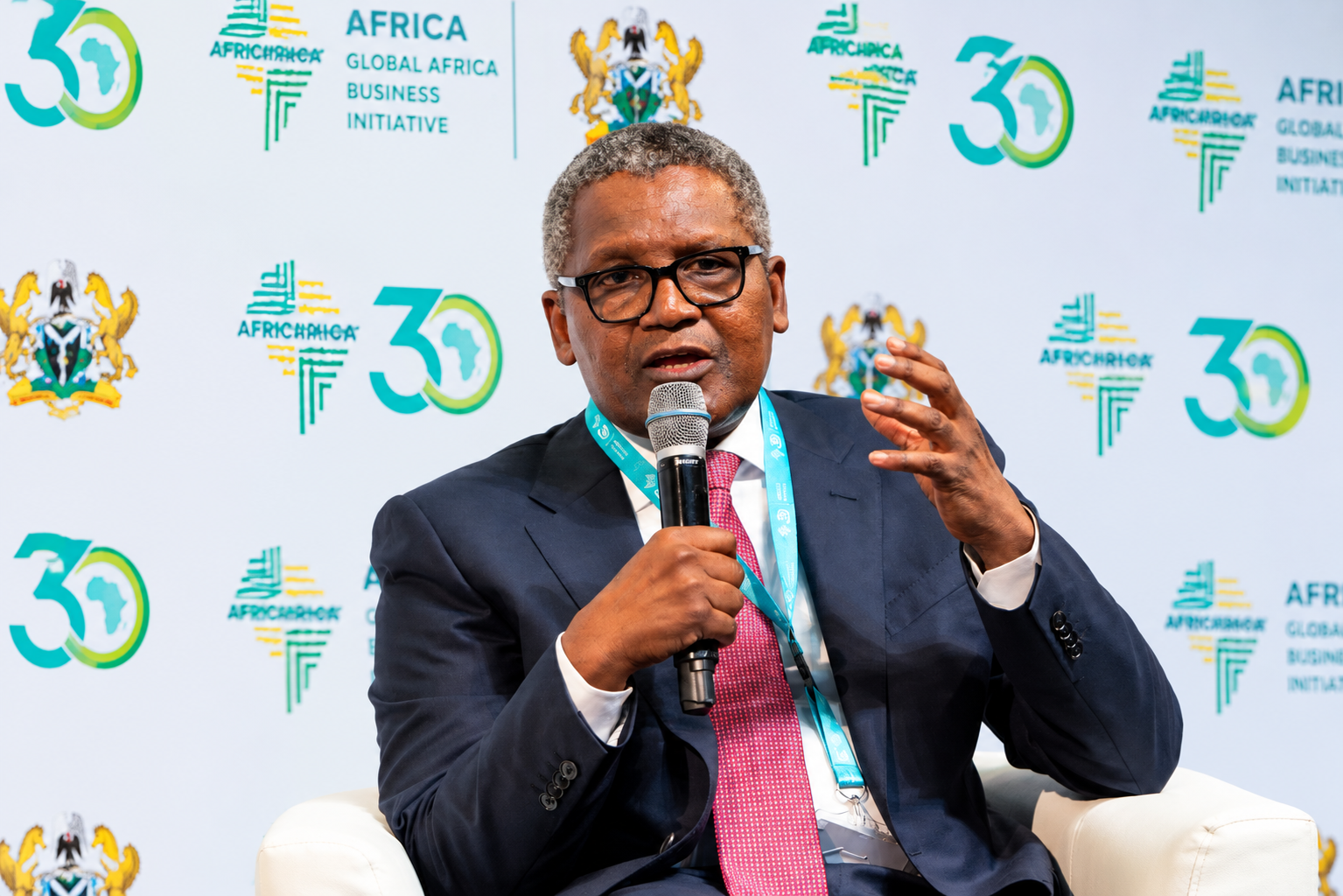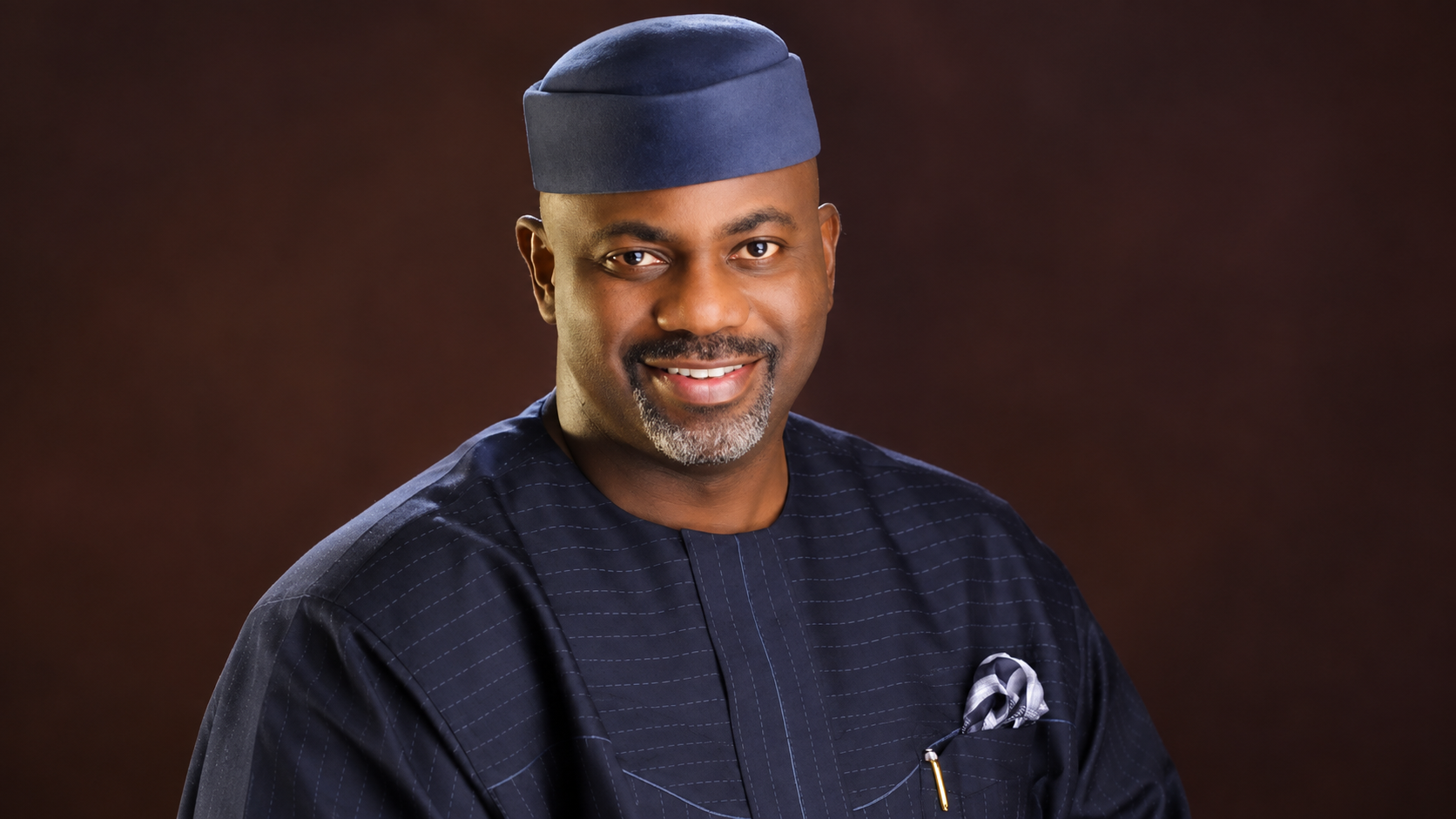
At a high-level Invest Africa gathering of ministers, global investors, development partners, and business leaders,Nigeria’s Minister of Finance and Coordinating Minister of the Economy of Nigeria, Taiwo Oyedele delivered a forward-looking address positioning Nigeria at the heart of Africa’s economic transformation.
Representing President Bola Ahmed Tinubu, GCFR, he conveyed the President’s goodwill and reaffirmed Nigeria’s confidence in Africa’s long-term economic trajectory and global relevance.
He emphasized that Africa is no longer on the periphery of global economic conversations but is increasingly becoming central to shaping them.
According to him, the defining question is no longer whether Africa matter but how quickly the world recognizes the scale of its opportunity.
He highlighted Africa’s structural advantages, including its young and rapidly growing population, accelerating urbanisation, abundant critical mineral resources, and expanding role in global innovation ecosystems spanning fintech, digital services, and creative industries.
YOU CAN ALSO READ: How Bob Parsons Turned Trauma, Grit and Relentless Work into a Billion-Dollar Empire
He also pointed to the African Continental Free Trade Area (AfCFTA) as a transformative framework capable of creating one of the world’s largest integrated markets.
However, he stressed that Africa’s progress will not be determined by potential alone, but by execution. “Africa’s future will not be defined by its challenges, but by the quality of its leadership, the strength of its institutions, the boldness of its reforms, and the confidence of those willing to invest in its potential.”
Turning to Nigeria, the Minister described the country as a critical anchor of Africa’s economic future due to its scale, population, and entrepreneurial energy.
He noted that the Tinubu administration inherited significant structural imbalances and responded with decisive reforms aimed at stabilizing the economy and restoring long-term growth fundamentals.
These reforms include fiscal restructuring, foreign exchange market unification, and one of the most comprehensive tax and public finance reform programmes in Nigeria’s modern history.
While acknowledging short-term adjustments, he emphasized that early outcomes are already reflecting improved resilience and growing investor confidence.
He cited Nigeria’s 3.9% GDP growth in Q1 2026 and strong dollar-denominated expansion despite global headwinds, including geopolitical tensions, supply chain disruptions, and tighter financial conditions. He added that Nigeria now ranks among the top contributors to global GDP growth, underscoring its rising macroeconomic importance.
According to him, sustained growth in a high-interest-rate environment reflects underlying economic strength, policy direction, and increasing investor trust.
He further noted that international credit rating agencies have acknowledged Nigeria’s reform trajectory, with the country targeting investment-grade status in the medium term. More importantly, he said reforms are already unlocking private sector momentum across key industries.
However, he stressed that reform is not the destination, it is the foundation. Nigeria’s ambition, he explained, is to transition from a consumption-driven economy to a production- and export-oriented economy built on competitiveness, productivity, and private capital participation.
He outlined priority sectors driving this transformation: Energy expansion across generation, transmission, and renewable systems; infrastructure development in transport, logistics, ports, and rail; digital transformation through data infrastructure, artificial intelligence, and innovation ecosystems; agricultural value chains focused on processing and export; and critical minerals development anchored on local value addition and responsible investment.
He also highlighted opportunities across housing, healthcare, manufacturing, sports, creative industries, and financial services, describing Nigeria’s economic landscape as increasingly diversified and structurally deeper.
However, he identified a key continental constraint: not a lack of opportunity, but insufficient policy environments capable of attracting long-term capital at scale.
He emphasized that Africa’s development ambitions require far more than public financing alone, calling for stronger participation of private capital supported by credible policy frameworks, institutional strength, and regulatory transparency. “We must look inward and strengthen governance, institutions, and policy frameworks to unlock private capital at scale.”
YOU CAN ALSO READ: How Bob Parsons Turned Trauma, Grit and Relentless Work into a Billion-Dollar Empire
On international partnerships, Oyedele highlighted the evolving Nigeria–UK relationship, noting a shift from aid-based cooperation to investment-led partnership and shared prosperity.
He pointed to growing opportunities in infrastructure financing, financial services, technology, energy security, mining, education, and skills development, particularly in the context of global energy diversification.
To investors, his message was direct: Nigeria is not seeking sympathy, it is offering opportunity.
He emphasized that government commitment remains focused on execution, consistency, and delivery of reforms, adding that early investors in transformation cycles often capture the greatest long-term gains.
In conclusion, the Minister described Africa’s current trajectory as the early stage of a historic economic transformation.
Under President Tinubu’s leadership, Nigeria, he said, is building a more resilient, competitive, and investment-ready economy designed to support sustainable growth, innovation, and shared prosperity.
He concluded that the future will not be built by governments alone, but through partnership, enterprise, and capital deployed with conviction in moments of change. “In this world, only two things are certain, death and taxes. But I will add a third: a brighter future for Africa than many imagine.”
He closed with a call for confidence in Africa’s trajectory and a reaffirmation of Nigeria’s role in shaping its next chapter.