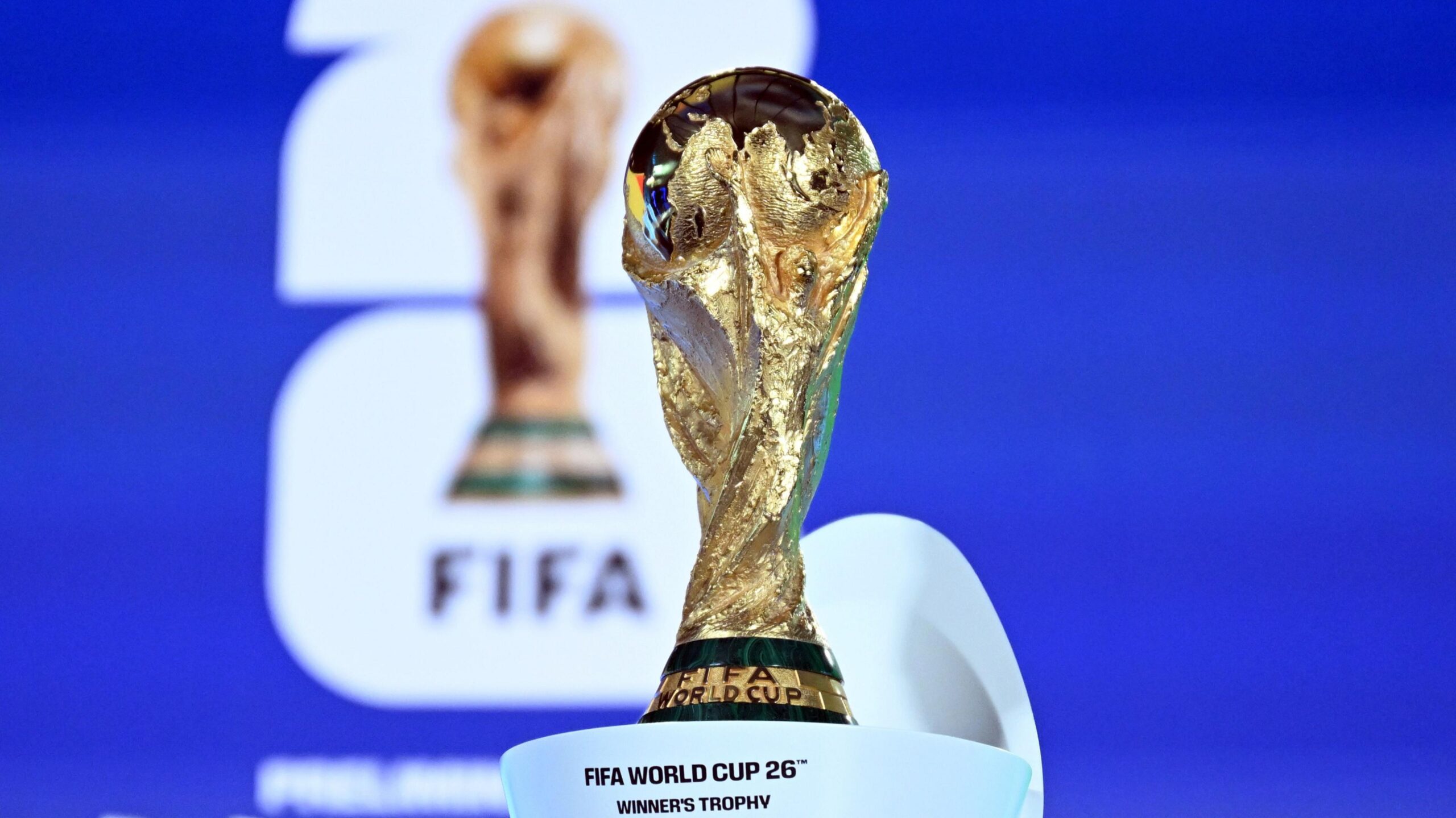
The FIFA World Cup has always been the pinnacle of international football, a month-long spectacle that unites nations, creates heroes and delivers unforgettable moments. Yesterday, however, the tournament made headlines for a different reason. FIFA revealed that the 2026 FIFA World Cup generated an unprecedented US$15 billion in revenue, eclipsing its earlier projection of US$11 billion and establishing a new benchmark not only for football but for the global sports business.
The announcement marks a defining moment in the commercial evolution of the world’s biggest sporting event. Never before has a football tournament generated such extraordinary financial returns. The figure is more than double the US$5.77 billion FIFA earned from the 2022 FIFA World Cup in Qatar, highlighting how the governing body has successfully transformed its flagship competition into one of the world’s most valuable commercial properties.
The record-breaking performance did not happen by chance. It was the result of deliberate strategic decisions that fundamentally changed the scale of the tournament. For the first time in history, the FIFA World Cup featured 48 national teams, an increase from the previous 32. The number of matches expanded from 64 to 104, while the tournament was jointly hosted by the United States, Canada and Mexico, opening new commercial opportunities across North America’s enormous sports and entertainment market.
YOU CAN ALSO READ: How Nigeria’s Economic Stability Can Deliver Shared Prosperity – KPMG Nigeria
For FIFA President Gianni Infantino, the numbers validate years of planning. According to reports, member associations were informed yesterday that the organization had exceeded its financial targets by an extraordinary margin, with hospitality and ticket sales emerging as two of the biggest drivers of the unexpected revenue surge.
Behind every World Cup goal, every packed stadium and every global television audience lies an intricate commercial ecosystem. While billions of fans experience the tournament as a celebration of football, FIFA operates one of the most sophisticated business models in global sport.
Broadcasting remains the cornerstone of that model. The World Cup continues to command the largest global television audience of any sporting event, attracting billions of viewers across traditional television and digital streaming platforms. Broadcasters are willing to pay premium prices because no other sporting property consistently delivers such a concentrated worldwide audience over a five-week period.
The expansion from 64 to 104 matches significantly increased the inventory of live broadcasts available to media partners. Every additional match created new advertising opportunities, higher subscription value for broadcasters and more premium content for digital platforms. In an era where live sports remain one of the few forms of television that audiences still watch in real time, the World Cup has become one of the most valuable media assets in the world.
Commercial sponsorship provided another major source of revenue. Global corporations continue to view the FIFA World Cup as one of the most powerful marketing platforms ever created. Brands invest billions of dollars to place their products before audiences spanning virtually every country on earth. The tournament offers something few other events can provide, global visibility, emotional engagement and cultural relevance at an unmatched scale.
Every World Cup also creates an enormous consumer economy. Fans purchase official jerseys, footballs, scarves, souvenirs and licensed merchandise in record numbers. Sponsors activate massive advertising campaigns across television, digital media, retail outlets and fan festivals. Hotels, airlines, restaurants, transport providers and tourism businesses benefit from millions of travelling supporters, creating economic activity that extends far beyond the ninety minutes played on the pitch.
Perhaps the biggest surprise behind FIFA’s record earnings came from hospitality and ticketing. According to reports published yesterday, premium hospitality experiences and robust ticket sales, particularly through FIFA’s official secondary ticket marketplace, generated significantly more income than originally forecast. FIFA reportedly collected fees from transactions on the official resale platform, while premium hospitality packages for the World Cup Final reached tens of thousands of dollars per guest.
The commercial success of the tournament was matched by unprecedented fan participation. FIFA reported that attendance exceeded 6.8 million spectators, making the 2026 edition the most attended FIFA World Cup in history. Stadium occupancy remained exceptionally high throughout the competition, reflecting the extraordinary global demand for football’s greatest spectacle.
Digital engagement also reached historic levels. During the tournament, FIFA announced that its digital platforms generated more than 20 billion video views, demonstrating how football’s audience has expanded far beyond television into mobile devices, streaming platforms and social media. Fans consumed highlights, behind-the-scenes content, interviews and match analysis at a scale never previously recorded by the organization.
Yesterday’s financial announcement also underscored FIFA’s commitment to sharing more of the tournament’s commercial success with participating nations. Earlier this year, the FIFA Council approved a record financial distribution of almost US$900 million to the 48 participating member associations, representing a 15 percent increase over previous plans. The decision reflected the governing body’s confidence in the tournament’s commercial prospects even before the competition concluded.
Prize money also reached historic levels. FIFA distributed a record US$655 million in prize money during the tournament, while total financial support, including preparation grants, amounted to US$727 million. The newly crowned world champions received US$50 million, the largest prize ever awarded to the winner of a FIFA World Cup.
As a non-profit organization, FIFA maintains that revenues generated from the World Cup are reinvested into football development across its 211 member associations. Through initiatives such as FIFA Forward, the organization finances grassroots football, youth development, women’s football, infrastructure projects, coaching education and referee training around the world. Yesterday’s record revenue announcement therefore signals the potential for even greater investment in developing the game globally.
Beyond the financial figures lies an even more significant story. The 2026 FIFA World Cup demonstrated how modern sport has evolved into a global economic powerhouse. Football is no longer simply entertainment. It is intellectual property, premium media content, international tourism, consumer marketing, digital engagement and global commerce combined into a single event capable of generating billions of dollars within weeks.
YOU CAN ALSO READ: The Entrepreneur Building Africa’s Digital Trade Infrastructure
The tournament also reinforced North America’s emergence as one of football’s fastest-growing commercial markets. The United States, Canada and Mexico successfully delivered the largest World Cup ever staged, providing world-class infrastructure, packed stadiums and a commercial environment that allowed FIFA to maximize revenue across virtually every business category.
For business leaders, the lessons extend well beyond football. The World Cup illustrates the value of building a globally recognised brand, expanding strategically into new markets, leveraging media rights, creating premium customer experiences and developing multiple revenue streams from a single product. FIFA has demonstrated that sustained commercial success is achieved not merely by growing audiences but by continuously increasing the value delivered to broadcasters, sponsors, partners and fans.
Yesterday’s announcement confirms that the FIFA World Cup has entered an entirely new commercial era. What began in 1930 as an international football tournament has become one of the most powerful business enterprises in global sport. Every ticket sold, every sponsorship agreement signed, every broadcast transmitted and every jersey purchased contributes to an economic ecosystem unlike any other in football.
As the celebrations from the 2026 FIFA World Cup begin to fade, one achievement will endure long after the final whistle. FIFA has not only staged the biggest tournament in football history, it has also redefined the economics of the modern sporting event. With US$15 billion in reported revenue, the 2026 FIFA World Cup has become the gold standard for how sport, entertainment and business can converge to create extraordinary global value.