South Africa’s growing pre-loved luxury market is creating new opportunities for consumers to unlock cash from items they already own while opening new avenues for entrepreneurship and additional income.
As consumers face increasing financial pressure, the resale economy is gaining traction, particularly in categories such as designer handbags, luxury watches, sneakers, belts and other high-end accessories.
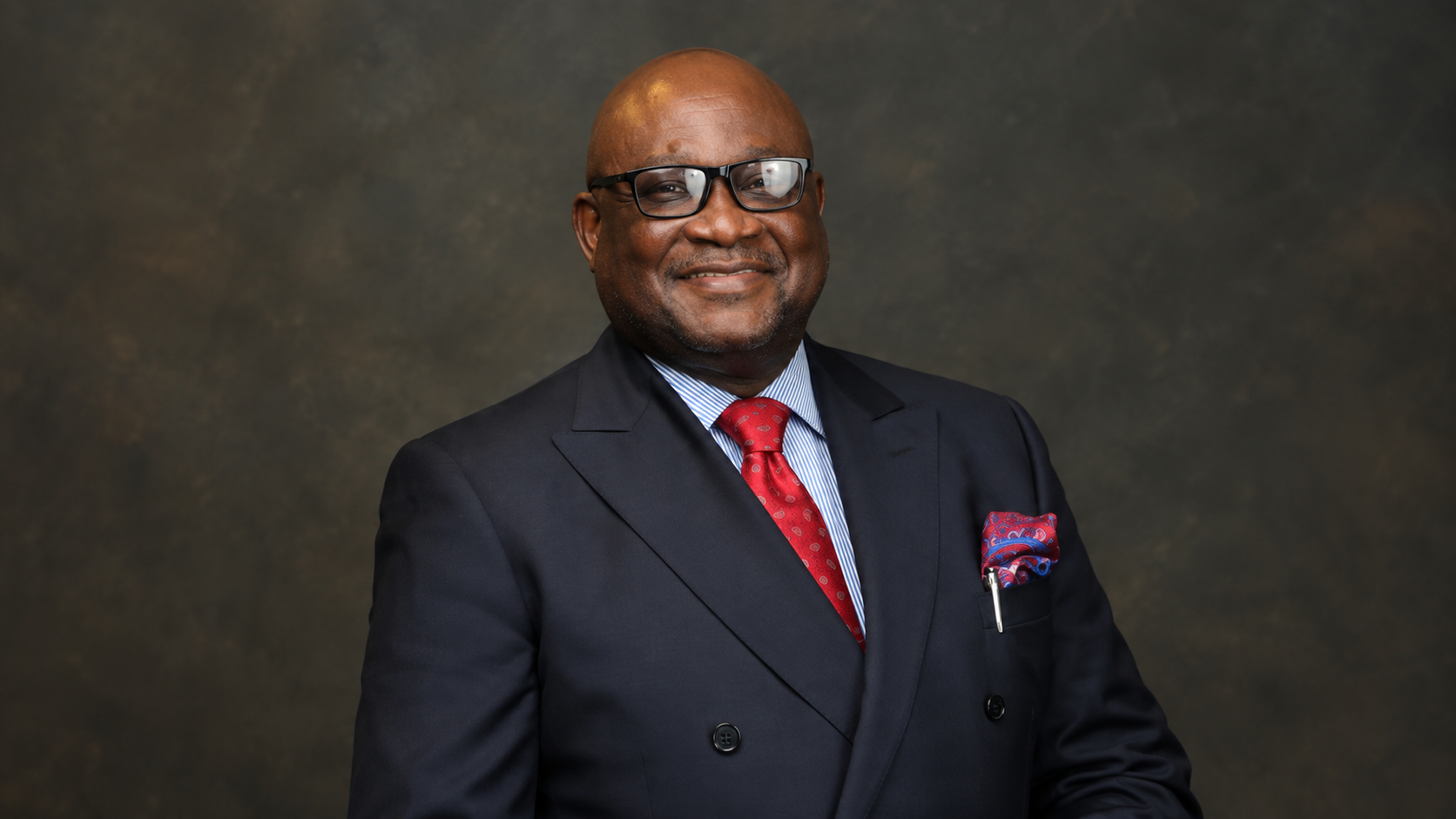
Founder and CEO of We Buy Brands, Greg Greenfield, said changing attitudes towards pre-loved luxury were helping accelerate the growth of the market.
Greenfield said consumers who were once reluctant to purchase used luxury goods were increasingly recognising their value, particularly because pre-loved items could be acquired below their original retail prices while retaining significant resale value.
YOU CAN ALSO READ: U.S. Names Brandon Hudspeth New Consul General in Lagos
“The whole look and the whole feel of pre-loved has changed over the years,” Greenfield said, noting that consumers were becoming more comfortable with the concept as they understood the financial value attached to luxury goods.
He said the idea behind We Buy Brands emerged after identifying a gap in the market for consumers who owned luxury items but needed to convert them into cash quickly.
According to Greenfield, thousands of South Africans own luxury goods but have limited options when they need to sell those items at short notice. While pawn shops and gold brokers typically focus on watches and jewellery, he said there was a gap for a business that could buy a wider range of luxury products, including sneakers, belts and accessories, and provide sellers with faster access to cash.
“We looked at it and said there weren’t many companies around that would take your pre-loved sneakers or belts or accessories and turn them into cash in a very short time frame,” he said.
Greenfield said entrepreneurs interested in entering the resale economy did not necessarily need significant capital to get started. He recalled starting We Buy Brands with a single pair of Gucci Ace sneakers that he owned.
After selling his sneakers, he convinced his wife to contribute another pair, and the business gradually expanded as he sourced more products. Within months, the operation had accumulated several items, while within a year, the company had significantly expanded its visibility.
Greenfield said the most important starting capital was not necessarily money, but the belief, determination and willingness to pursue an idea.
“What do you have to start with? The belief you can do it and the intent and hunger,” he said.
He said We Buy Brands sought to make its products as competitively priced as possible while maintaining the value associated with luxury goods. Rather than applying large margins to individual products, the company operates with smaller margins and relies on transaction volumes.
Pricing is determined by factors including the condition of an item, its current retail value and prevailing prices in the pre-loved market. The approach reflects a broader shift in consumer behaviour, with buyers increasingly seeking ways to access luxury products without paying full retail prices.
Despite the growth of the resale market, Greenfield identified counterfeit goods as one of the industry’s biggest challenges. He said luxury brands and industry players continued to work with relevant authorities to combat counterfeiting and fraudulent products, but the scale and adaptability of counterfeit networks made the problem difficult to eliminate.
For We Buy Brands, he said, the focus was on ensuring that products sold through its platform were authentic.
Greenfield said South Africa’s pre-loved luxury industry remained relatively small compared with more developed resale markets internationally, particularly in terms of access to inventory and product availability. However, he said the market was growing and companies such as We Buy Brands were seeking to improve access to pre-loved luxury products that consumers might otherwise struggle to find.
YOU CAN ALSO READ: Fix Management, Not Just Machines, to Revive Nigeria’s Refineries – Sowunmi
The expansion of the sector also points to changing attitudes towards consumption. According to Greenfield, consumers increasingly want access to luxury but are becoming more conscious of the financial implications of their purchases.
He argued that buying pre-loved luxury could allow consumers to enjoy premium products more prudently while retaining the possibility of recovering part of their investment when they eventually resell them.
The trend is transforming luxury consumption from a purely expenditure-driven activity into one where products can also be viewed as assets with residual value. As South Africa’s resale economy continues to develop, changing consumer attitudes, financial pressure and entrepreneurial opportunity are creating a growing ecosystem around the buying, selling and resale of luxury goods.