At UNGA 81, Africa’s business and policy leaders make the case for deeper regional value chains, stronger local capital, private-sector investment and an economic model that turns the continent’s vast resources into globally competitive products
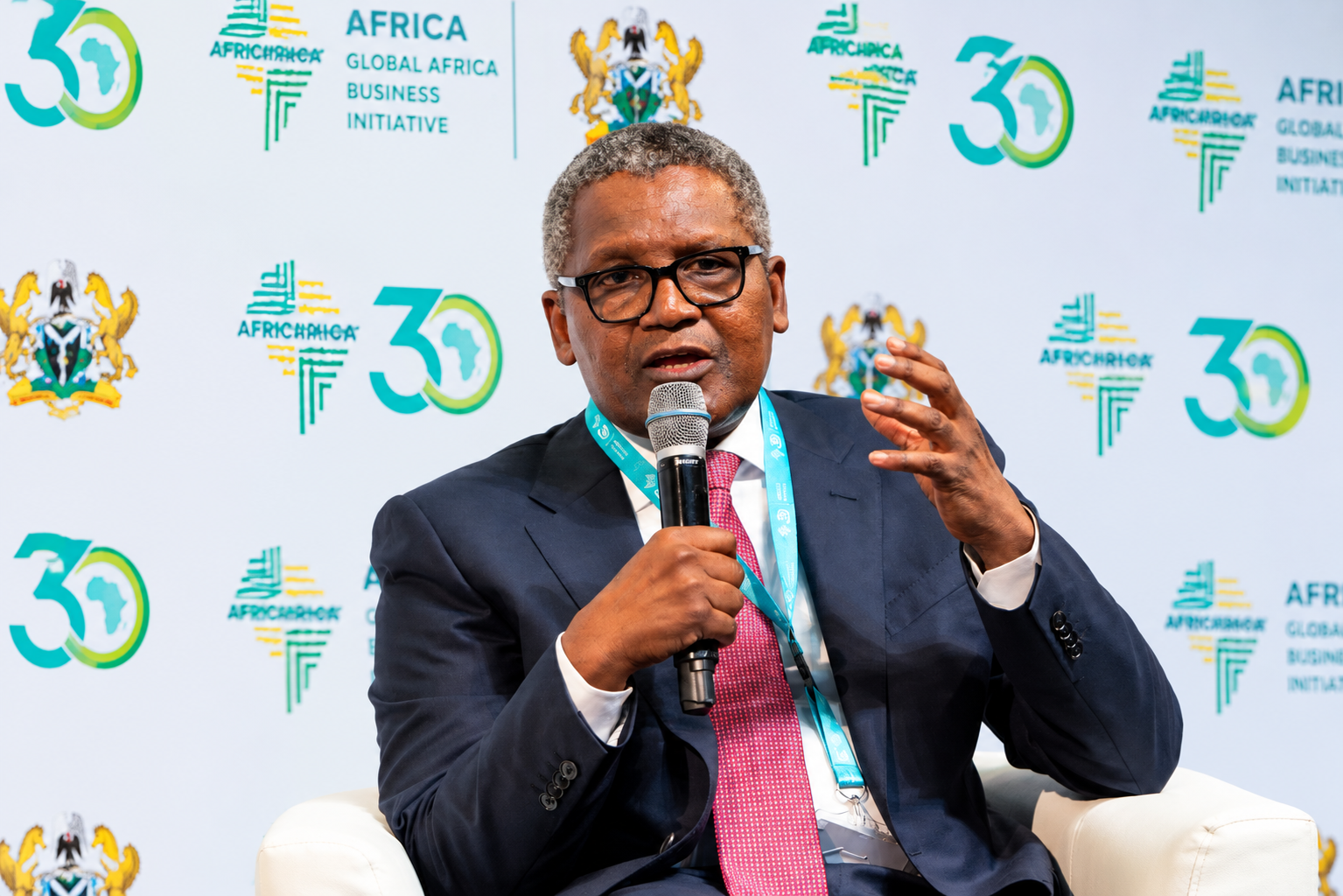
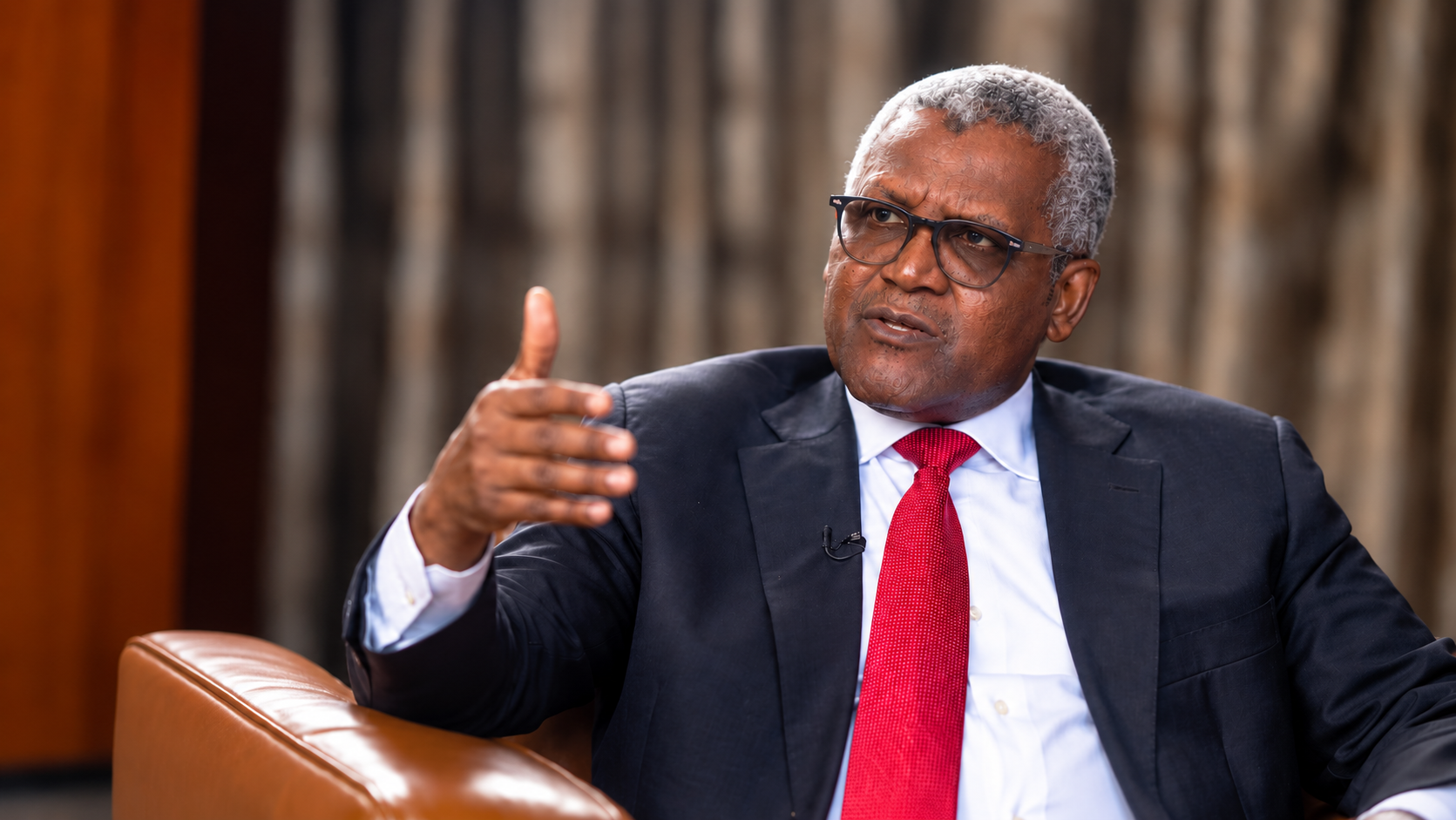
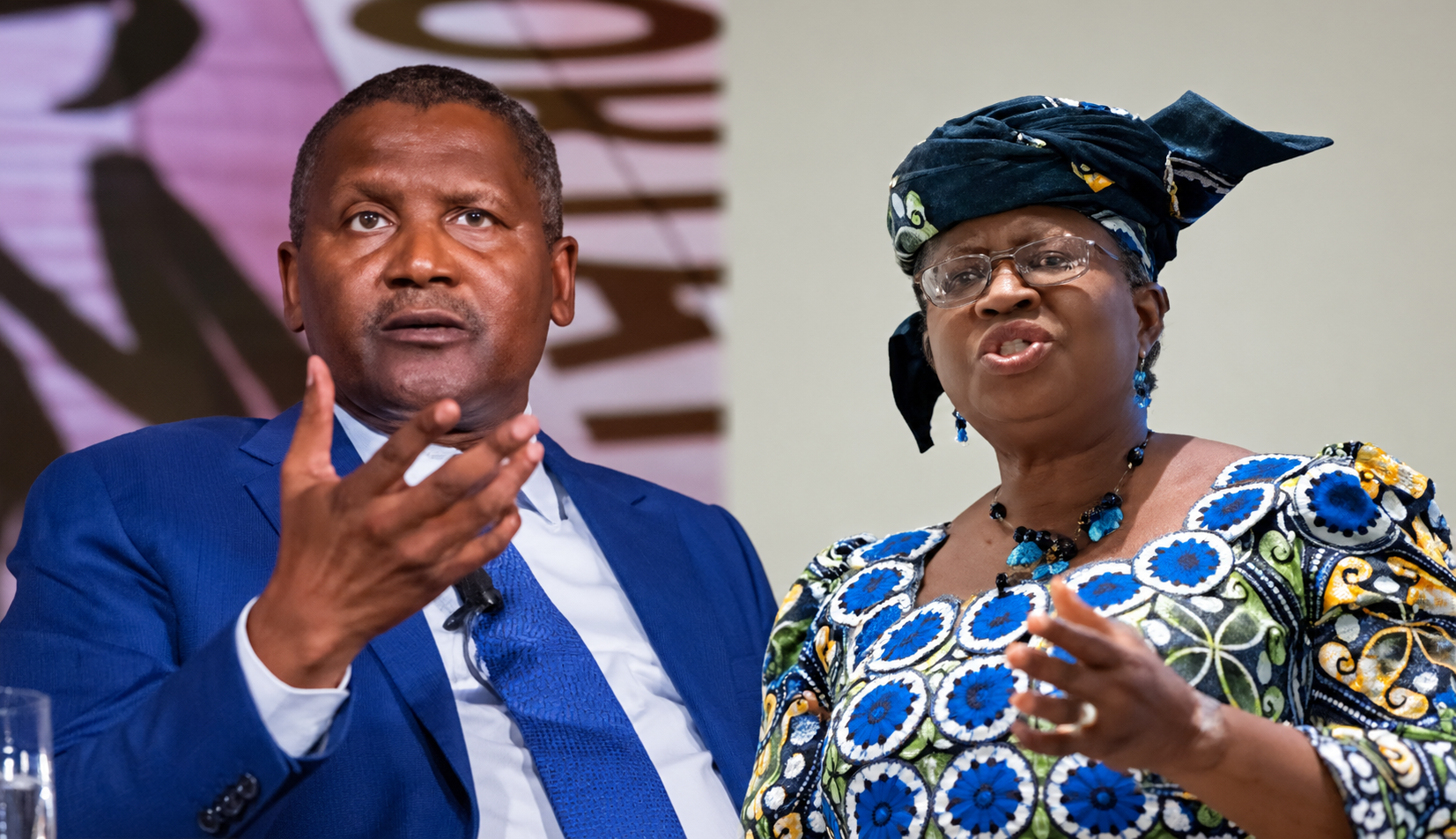
Africa’s economic transformation will depend increasingly on what the continent can build with its own capital, resources, businesses and talent, rather than how much it can attract from outside. That was one of the defining messages from Nigerian industrialist Aliko Dangote and Dr Ngozi Okonjo-Iweala, Director-General of the World Trade Organization (WTO), during a high-level conversation on Africa’s economic future on the sidelines of the 81st United Nations General Assembly in New York.
The discussion brought together questions of capital, industrialisation, entrepreneurship, trade, skills development and regional integration, with both speakers making the case for a more connected African economy capable of producing, processing and trading at scale. For Dangote and Okonjo-Iweala, the question is no longer simply whether Africa has the resources to transform, but whether the continent can build the financial, institutional and industrial systems capable of converting those resources into sustained economic value.
For Dangote, the starting point is African confidence. He urged African leaders and business communities to become more actively involved in shaping the continent’s economic future, arguing that the next few years present an important opportunity to accelerate structural transformation.
YOU CAN ALSO READ: Aliko Dangote and Africa’s Industrial Turning Point
“As an African, I want to say to all of you: go away and tell our leaders that this is the time, especially over the next two years, for us to be present and try to change some of the things that are happening,” he said.
His argument is rooted in a simple economic reality: Africa possesses enormous resources and a large consumer market, yet continues to export substantial quantities of raw materials and import finished products. Dangote illustrated the problem with cotton, pointing to Mali, Chad, Burkina Faso, Niger and Côte d’Ivoire, where large quantities of cotton are produced and exported largely in raw form, while African countries spend billions of dollars importing garments.
For Dangote, the opportunity lies in connecting these stages of production within Africa, from farming and processing to manufacturing and distribution. “Why can’t we sell to ourselves?” he asked, arguing that Africa should take the cotton produced across the continent up the value chain, transform it into garments and sell the finished products within African markets.
The opportunity, he suggested, extends beyond textiles. Dangote pointed to the global sporting goods industry, valued at about $610 billion, arguing that even capturing a relatively modest share of such markets could generate significant economic opportunities for Africa. “The prospects are there and the opportunities are there,” he said.
The broader argument reflects the growing emphasis across Africa on moving beyond commodity exports and building industries capable of adding value locally. For Dangote, this transformation must happen through actual businesses, factories, infrastructure and supply chains, with his own experience building the Dangote Refinery providing a practical example.
The refinery initially involved expectations that large numbers of foreign technicians would be required because of the complexity of the project. But the project ultimately employed and trained thousands of Nigerians. Of about 67,000 workers involved, Dangote said fewer than 14,000 were foreign workers.
The experience, he argued, demonstrated that African workers can acquire and deploy highly specialised skills when given the opportunity. Today, as further industrial projects are developed, he said the group expects to require approximately 96,000 workers, with fewer than 12,000 expected to come from outside Nigeria.
The ambition, he suggested, goes beyond Nigeria. If African companies develop sophisticated industrial capabilities at home, those skills can eventually be exported across the continent, enabling African workers and businesses to participate in projects in other African countries.
The conversation also placed considerable emphasis on capital. Okonjo-Iweala argued that Africa’s development challenge cannot be addressed simply by increasing the volume of money available. The continent also needs the right kind of financing, particularly financing capable of supporting smaller businesses as they grow into larger participants in industrial supply chains.
She highlighted the importance of equity financing and support for micro, small and medium-sized enterprises, particularly businesses supplying larger companies. “These businesses are part of the supply chains of larger companies,” she said, stressing that they must be capable of delivering quality products on time if African companies are to compete in international markets.
She also pointed to the importance of trade finance between African countries. Historically, she noted, much trade-financing support had focused on African banks facilitating trade between African countries and markets outside the continent. There has been considerably less financing dedicated to trade within Africa itself, and that, she argued, needs to change.
Another issue Okonjo-Iweala highlighted was currency risk. Small and growing businesses often face both currency and maturity mismatches, particularly when their financing is denominated in foreign currency while their revenues are generated locally. More local-currency lending, she argued, can help reduce those risks and allow businesses to invest and plan over longer periods.
She also highlighted efforts to strengthen African financial institutions through equity and lending, noting the changing role of banks across the continent. The objective is to create a financial ecosystem in which African banks can support African businesses and provide financing in currencies that better match their underlying operations. This is particularly important for MSMEs, which often lack the financial buffers available to larger corporations.
Okonjo-Iweala’s argument ultimately returns to the changing fiscal realities facing African governments. She recalled that when she headed the World Bank’s Africa Department, debt levels in many African countries were significantly lower than they are today. With public debt having risen substantially in many countries, governments have less fiscal space to finance development through borrowing.
At the same time, developed countries are dealing with their own fiscal pressures, making traditional aid-based development models increasingly constrained. The implication, she argued, is that private capital must play a much larger role in Africa’s development.
“This is a time when we should open all the opportunities for the private sector to invest,” she said. For Okonjo-Iweala, private businesses are not simply beneficiaries of economic policy. They are central to creating employment, building supply chains and generating the productive capacity required for long-term growth.
Both speakers also converged on the question of skills. Okonjo-Iweala argued that governments must engage directly with businesses when designing skills-development programmes. Rather than government agencies independently determining what skills are needed, she said policymakers should consult investors and companies undertaking major projects and build training systems around their actual requirements.
Dangote’s experience with the refinery illustrated the point. Thousands of Nigerians were trained and ultimately participated in operating and commissioning a highly complex industrial facility. For Dangote, this demonstrates that Africa’s skills challenge is not necessarily a question of a lack of talent, but also one of opportunity, training and exposure.
The conversation also pointed towards a broader continental strategy. Okonjo-Iweala argued that Africa needs to build stronger networks connecting businesses, governments and financial institutions across national borders. Rather than each country attempting to develop every component of a value chain independently, countries can specialise in areas where they have comparative strengths and connect those capabilities through regional markets.
That approach could be particularly important in sectors such as manufacturing, agriculture, pharmaceuticals, energy and emerging technologies. For Okonjo-Iweala, the next step is not simply signing agreements but making them work in practice.
She called for stronger dialogue between African private-sector leaders and governments across borders. The Nigerian private sector, for example, should not only engage Nigerian authorities. Nigerian businesses should be able to engage governments and private-sector counterparts in Senegal, Ethiopia, Kenya and other African markets, with the same principle applying in the opposite direction.
One practical area she identified is the interoperability of African stock exchanges. The long-term ideal, she noted, could be a more integrated continental capital market. But even without a single African stock exchange, greater interoperability between existing exchanges could make it easier for investors in one African country to invest in companies listed in another.
Such integration could help mobilise more African capital for African businesses. It would also reinforce a broader principle running through the discussion: African capital should be able to move more easily towards African opportunities.
Dangote’s refinery emerged as one of the clearest examples of the possibilities associated with large-scale African industrial investment. The project represents an attempt to process a major African resource locally rather than rely primarily on exporting crude and importing refined products.
For Dangote, that principle extends beyond oil. It applies to agriculture, fertiliser, petrochemicals, cement and other industries where Africa has substantial resources and demand but still imports significant quantities of finished products.
He pointed to plans to expand urea production, develop phosphate and potash resources and establish blending facilities across African markets as part of the broader industrial ambition. The objective is not simply to create individual companies, but to establish interconnected industrial ecosystems.
The significance of the Dangote example, therefore, extends beyond the Dangote Group itself. It raises a broader question about whether Africa can develop companies capable of operating at global scale while simultaneously creating opportunities for thousands of smaller businesses around them.
For Okonjo-Iweala, the answer requires stronger supply chains, appropriate finance, local-currency lending, functioning trade systems and policies that allow businesses to scale. For Dangote, it requires confidence in African capacity and a willingness to invest in production rather than continue importing what the continent can manufacture.
The two perspectives ultimately converge around the same economic proposition: Africa’s resources alone will not transform the continent. The transformation will come from the ability to finance, process, manufacture, trade and scale.
YOU CAN ALSO READ: Fidelity Bank’s People Strategy Puts 433 Employees on the Next Rung
That means turning cotton into garments rather than exporting raw fibre; processing minerals rather than shipping them abroad; refining crude rather than importing petroleum products; and building companies that can supply not only domestic markets but the wider African and global economy.
As Africa seeks to deepen intra-African trade and attract investment, the discussion underscored a common imperative: the continent must increasingly become a producer, processor and exporter of finished products while creating the financial, skills and regulatory conditions that allow African businesses to grow to scale.
For Dangote, the imperative is clear: Africans must lead. For Okonjo-Iweala, that leadership must be matched by institutions, financing, skills and regional cooperation.
Together, their interventions point to an Africa that must increasingly move from exporting what it has to building what the world needs, while ensuring that a greater share of the value created from its resources, businesses and talent remains within the continent.
That, ultimately, is the industrial transformation Africa is being called upon to deliver.