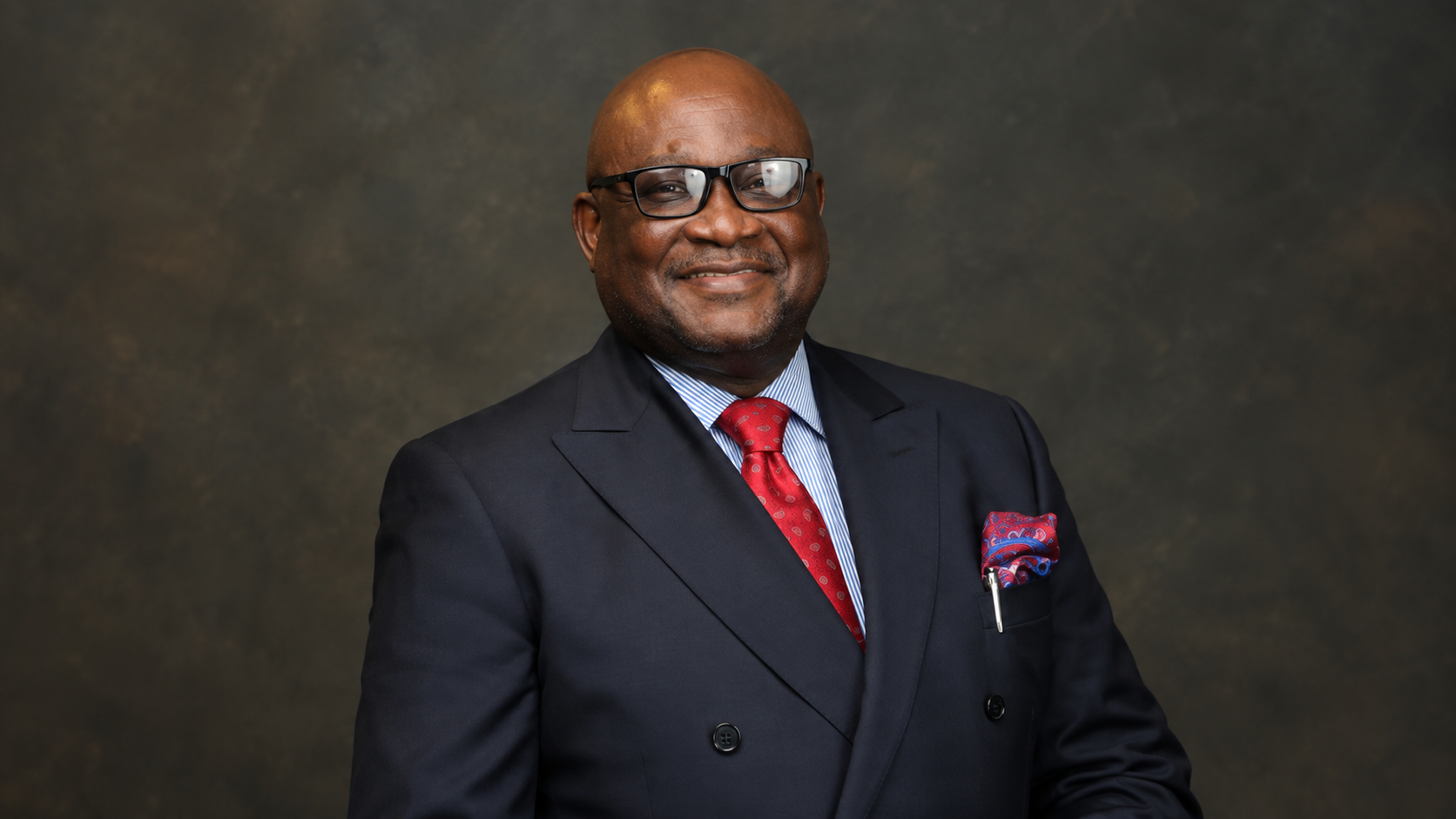
The Chairman of the Policy Innovation Centre (PIC), Mr. Udeme Ufot, MFR, has called for a decisive shift from policy commitments and conversations on gender and social inclusion to practical action capable of delivering measurable improvements in the lives of underserved Nigerians.
Ufot made the call while delivering his opening remarks at the 2026 Gender and Inclusion Summit (GS26), convened by the Policy Innovation Centre of the Nigerian Economic Summit Group (NESG), where he challenged stakeholders to close the persistent gap between policy intentions and the everyday realities of people who remain furthest from opportunity.
With the theme, “From Agenda to Action: Making Innovations Count for the Last Mile,” the summit brings together policymakers, lawmakers, government representatives, development partners, private sector leaders, civil society organisations, academics, innovators, young leaders, traditional and religious leaders, media professionals and other stakeholders to examine practical pathways to a more inclusive society.
YOU CAN ALSO READ: Mo Abudu Blueprint for Taking African Stories to the World
Welcoming participants to the summit, Ufot described the gathering as both a privilege and a responsibility, expressing appreciation to the wide range of stakeholders whose participation, expertise and perspectives continue to strengthen Nigeria’s conversation on gender equality and social inclusion.
He particularly acknowledged the contributions of government leaders, members of the National Assembly, development partners, private sector actors, civil society organisations, academics, traditional and religious leaders, innovators and young people, stressing that their collective engagement is critical to advancing an inclusive development agenda.
According to him, the Gender and Inclusion Summit has evolved into an important platform for reflection, evidence, dialogue and collaboration since its inception, with each edition building on the conversations and lessons of the previous year.
The summit began in 2022 with the theme “Connecting the Dots for a Gender Inclusive Society,” examining the relationship between gender equality, governance and sustainable development.
The 2023 edition, themed “Building Bridges: Advancing Gender and Inclusion Through the Intersection of Trade and Health,” explored the interconnectedness of sectors that are often treated separately in policy discussions.
In 2024, the summit focused on “Reimagining Gender-Inclusive Pathways and Partnerships for Poverty Reduction,” placing multidimensional poverty, opportunity and dignity at the centre of the conversation.
The 2025 edition subsequently explored “New Voices, New Approaches for Accelerating an Inclusive Society,” calling for broader participation and innovative approaches to a rapidly changing social and economic environment.
But for Ufot, GS26 represents a critical transition in that journey — from defining the agenda to delivering results.
“From agenda to action” is therefore not merely a theme, he explained, but a reflection of the urgent need to ensure that policies, evidence and innovations translate into meaningful outcomes for people and communities.
Across Nigeria and Africa, Ufot noted, considerable progress has been made in developing policies, generating evidence and testing innovative approaches to building more inclusive societies. However, he said the more difficult challenge lies in ensuring that those efforts produce results that people can see and experience in their daily lives.
He called on stakeholders to move beyond commitments and place greater emphasis on implementation, scale and measurable results, stressing that solutions must be practical, sustainable and capable of reaching the people for whom they are designed.
For Ufot, innovation should not be measured simply by its novelty.
“Making innovations count requires us to look beyond novelty and focus on impact,” he said, noting that innovation must ultimately contribute to better public services, greater economic opportunities, improved wellbeing and stronger institutions.
He further stressed that promising ideas require appropriate policies, financing, institutions, partnerships and accountability mechanisms to move from experimentation to solutions capable of working at scale.
At the heart of this challenge, he said, is the “last mile” — a concept that goes beyond geographical distance to capture the gap between policy and lived experience, innovation and access, and commitments and meaningful change.
The last mile, according to Ufot, includes women and girls in underserved communities, young people, persons with disabilities, rural populations and other groups whose realities are often insufficiently reflected in the design and delivery of policies and programmes.
“GS26 challenges us to close that distance,” he said.
He situated the conversation within a period of profound technological, economic and environmental change, noting that advances in technology, economic transformation and climate pressures are simultaneously creating new opportunities and exposing persistent inequalities.
For Africa, he said, the task is to translate its demographic strength, creativity and growing innovation capacity into solutions that reach the people and communities that need them most.
In Nigeria, Ufot acknowledged that policies, programmes and innovations are already addressing challenges across areas including economic participation, education, healthcare, digital access and social inclusion. However, he stressed that significant gaps remain in who benefits from these interventions, how consistently they are implemented and whether they reach those furthest from opportunity.
He said the task before stakeholders is therefore not simply to develop good ideas or make commitments, but to ensure that those ideas are effectively implemented and reflected in people’s everyday experiences.
“This is critical to our purpose at the Policy Innovation Centre, connecting evidence, policy and innovations to make inclusion a measurable reality,” Ufot said.
He also highlighted the Purple Book, which will document and curate insights, recommendations and innovations emerging from the summit, ensuring that the outcomes of the conversations continue to inform policy beyond the event.
According to him, the Purple Book reflects a central principle of GS26: knowledge generated through collective dialogue should not remain within the walls of the summit but should be translated into policy engagement, stronger partnerships and better outcomes.
Ufot consequently urged participants to engage openly, share evidence and experience, challenge assumptions and identify opportunities for collaboration throughout the summit.
He also called for the voices and lived experiences of women, girls, young people, persons with disabilities and underserved communities to be reflected more deliberately in the policies, investments and innovations that shape their lives.
YOU CAN ALSO READ: Mo Abudu Blueprint for Taking African Stories to the World
He urged government, development partners, the private sector, civil society, academia and communities to embrace clear responsibilities and sustained implementation in translating ideas into results.
Ultimately, Ufot said, the success of the summit should not be measured solely by the quality of conversations held within the event, but by the changes those conversations help create beyond the room.
“The work of inclusion does not end with setting the agenda. It begins when we turn that agenda into action and action into measurable change,” he said.
He concluded with a charge that captured the central ambition of GS26: “Together, let us move from agenda to action, from innovation to impact, from the centre to the last mile.”