Seye Joseph
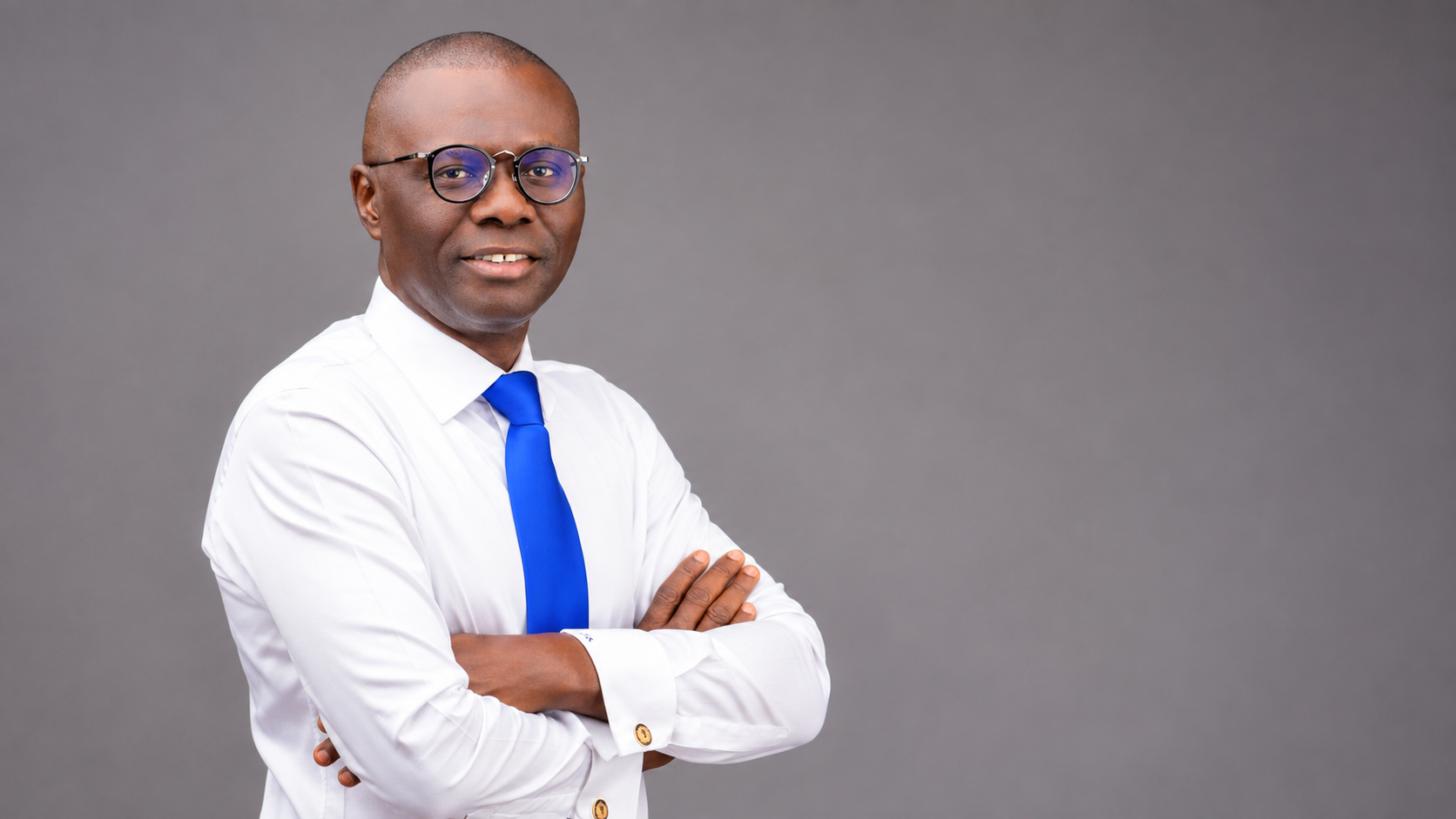
Lagos State Governor, Babajide Sanwo-Olu, has identified clean and reliable electricity as one of the most critical areas requiring increased investment to sustain the state’s economic expansion, digital transformation and growing technology ecosystem.
Sanwo-Olu, speaking during a discussion on Lagos’ economic opportunities and investment outlook, said the state was creating an enabling environment for private-sector participation in power generation and distribution, stressing that reliable electricity would significantly improve the productivity of businesses and strengthen the state’s position as a hub for innovation.
According to him, Lagos requires substantial investment in cleaner energy solutions, particularly embedded and distributed power, to reduce businesses’ dependence on diesel-powered generators and improve operating conditions for small and medium-sized enterprises.
He said the state had approved about 13 to 14 new electricity projects and was working to expand generation capacity through embedded and off-grid solutions.
“If we can activate that and put 2,000 megawatts or 3,000 megawatts into Lagos, what that will do is almost give another 50 per cent leapfrog on the GDP of Lagos,” Sanwo-Olu said.
He explained that increased electricity supply would enable more businesses to operate for longer hours without the burden of purchasing diesel and maintaining generators.
YOU CAN ALSO READ: NESG Chair Highlights Last-Mile Delivery as Key to Inclusive Development
The governor said electricity was particularly important as Lagos seeks to expand its digital economy, including artificial intelligence, cloud computing and data-centre infrastructure.
He noted that the state was already developing clusters for embedded power and was engaging investors seeking to establish large-scale digital infrastructure in Lagos.
Sanwo-Olu cited the emergence of hyperscale data-centre infrastructure in the state, saying Lagos could accommodate several more facilities as demand for computing capacity grows.
He said the government was prepared to provide the regulatory approvals and other instruments required to reduce investment risks and enable companies to establish operations without having to seek approvals outside the state.
“We will ensure that either the public power purchase agreement or whatever regulatory instrument they require to be able to de-risk the investment, we will make it available to them,” he said.
His comments come amid broader efforts by the Lagos State Government to develop a decentralised electricity market. The state has signed power purchase agreements with independent power producers and is pursuing reforms aimed at expanding reliable electricity supply.
Sanwo-Olu also highlighted the importance of digital infrastructure to Lagos’ future, noting that the state was increasingly attracting data-centre and AI-related investments.
He said the government was inviting more AI companies to establish operations in Lagos, while stressing that the availability of dependable power would be essential to scaling the sector.
The governor also pointed to the potential of AI in education, saying Lagos was working on the infrastructure required to support technology-enabled learning in public schools.
According to him, the state is focused on expanding fibre connectivity to public schools and providing students with digital devices, arguing that the necessary infrastructure must be in place for effective technology-driven education.
“AI is the future. AI is the way to go and we’ll ensure that we’re not slowing down on this,” he said.
Sanwo-Olu further urged members of the Nigerian diaspora to consider investment opportunities in Africa rather than limiting their financial contributions to remittances for immediate needs.
He called for more productive investment into businesses and economic infrastructure capable of generating returns and contributing to long-term development.
The governor said Lagos, with its large and youthful population, extensive consumer market and growing technology ecosystem, offers significant opportunities for investors across multiple sectors.
He also highlighted the state’s transportation investments, saying improvements in rail and water transportation were helping to reduce journey times for residents.
According to him, saving commuters 25 to 30 minutes in travel time effectively puts money back into their pockets by improving productivity and reducing the economic cost of movement.
Sanwo-Olu described Lagos as a city with significant opportunities but acknowledged its challenges, including waste management, urbanisation, climate risks and infrastructure pressures.
YOU CAN ALSO READ: NESG Chair Highlights Last-Mile Delivery as Key to Inclusive Development
He said the government’s approach was to create a business environment characterised by effective regulation, public-private partnerships, contract certainty and accountable governance.
The governor maintained that these conditions would give investors greater confidence to commit capital to Lagos while enabling businesses to expand and create jobs.
Recent developments in the state’s digital infrastructure underscore this direction. The Kasi Cloud hyperscale AI-ready data-centre campus in Lagos has been developed as part of efforts to expand local computing capacity, while the Lagos Government has projected substantial growth in data-centre capacity in the coming years.
Sanwo-Olu said the combination of infrastructure, human capital, technology and investment opportunities positions Lagos for continued economic expansion, while calling for greater participation by African and diaspora investors in building the continent’s productive capacity.