There are entrepreneurs who build businesses, and there are visionaries who build institutions capable of transforming nations. Allen Ifechukwu Onyema belongs to the latter category. Over the last decade, the founder and Chairman of Air Peace has done far more than establish an airline; he has built a symbol of national ambition, resilience and African possibility. Yet today, the man who has repeatedly carried Nigeria through moments of crisis is confronting perhaps his greatest challenge yet: fighting to keep Nigeria’s aviation industry alive in the face of crippling economic realities.
This is no longer merely a conversation about Air Peace. It is a conversation about Nigeria’s future, its economic competitiveness and its ability to connect with the world. Onyema’s message is clear and urgent: if Nigerian aviation collapses, the consequences will reverberate far beyond airports and aircraft. Jobs will disappear, investments will decline, tourism will suffer and an entire ecosystem that supports economic growth will be weakened.
When Allen Onyema launched Air Peace in 2014 with just seven aircraft, many dismissed the idea as another ambitious Nigerian venture that would eventually fade away. Nigeria had already developed a reputation as one of the most difficult places in the world to sustain an airline business, with dozens of carriers collapsing over the years. But Onyema refused to accept failure as inevitable. He envisioned an airline that would not only serve Nigeria but compete globally and project the country’s image beyond its borders.
YOU CAN ALSO READ: Nigeria Cannot Build Its Digital Future on Foreign Infrastructure – Dr. Krishnan Ranganath
Today, Air Peace has become the largest airline in West and Central Africa, operating a fleet of nearly 40 aircraft and serving more than 30 destinations across Africa, Europe and beyond. The airline’s international expansion continues to gather momentum with London already operational and Brazil recently opening its skies to Air Peace, creating a direct connection between Africa’s largest economy and South America’s economic powerhouse. What once required almost two days of travel can now be accomplished in approximately seven hours. Destinations such as Toronto, New York and Guangzhou are also part of the airline’s growing international footprint, further strengthening Nigeria’s global connectivity.
For Onyema, however, aviation has never been simply about transporting passengers from one destination to another. It has always been an instrument for economic development, national integration and international influence. Every new route, in his view, represents opportunities for trade, tourism, cultural exchange and investment.
Long before corporate social responsibility became fashionable, Onyema had already demonstrated what patriotism looks like in action. In 2019, when xenophobic attacks erupted in South Africa, he did not wait for government directives or diplomatic interventions. Instead, he personally funded the evacuation of more than 500 stranded Nigerians, offering free flights without invoices, conditions or expectations of reward. He has repeated similar acts of humanitarian service during crises in Sudan, Ukraine, Côte d’Ivoire and, more recently, South Africa. These interventions have cemented his reputation not simply as a businessman, but as a patriot whose wealth is measured by impact rather than profit.
For Onyema, legacy matters more than fortune. He has consistently argued that individuals should stop asking what Nigeria can do for them and begin asking what they can do for Nigeria. It is a philosophy that has guided his business decisions and humanitarian interventions alike.
Yet despite Air Peace’s remarkable growth, Onyema paints a troubling picture of the state of Nigerian aviation. The industry, he says, is battling one of its most difficult periods in history. Global geopolitical tensions, particularly the conflicts involving Israel, Iran and the United States, have disrupted aviation operations worldwide. International carriers have cut thousands of flights to manage escalating costs. But Nigeria’s challenges are even more severe because local airlines operate within an already hostile economic environment.
Jet A1 aviation fuel prices have skyrocketed over recent years, rising from about ₦900 per litre at one point to over ₦3,000 per litre. A route that once required approximately ₦3 million worth of fuel can now cost more than ₦12 million to operate. According to Onyema, airlines are no longer flying for profit; many are simply borrowing money to purchase fuel and remain operational. The economics of the business have become almost impossible to sustain.
The disparity becomes even more striking when Nigeria is compared to developed economies. While airlines abroad can access financing at interest rates between three and four per cent, Nigerian operators borrow at rates ranging from 29 to 33 per cent. In such conditions, Onyema argues, indigenous airlines are effectively disadvantaged before they even leave the runway.
His criticism extends beyond fuel prices to Nigeria’s taxation system. According to him, airlines are being treated primarily as revenue-generating institutions instead of strategic national assets. Multiple taxes, levies and charges imposed by various government agencies consume a significant portion of ticket revenues before airlines can account for operational expenses. Such a structure, he argues, is unsustainable and threatens the survival of indigenous operators.
Globally, successful nations understand that aviation is not merely an industry but a catalyst for economic growth. Airlines stimulate tourism, facilitate international trade, support job creation and strengthen national competitiveness. Countries such as the United Arab Emirates have built powerful economic ecosystems around their national carriers. Nigeria, Onyema insists, must adopt a similar mindset if it hopes to compete globally.
He has therefore called for the immediate establishment of an Aviation Taxes and Charges Review Committee and has advocated direct engagement with President Bola Ahmed Tinubu to discuss sustainable solutions that can preserve the industry. For him, this is not a request for special treatment but an appeal for strategic thinking.
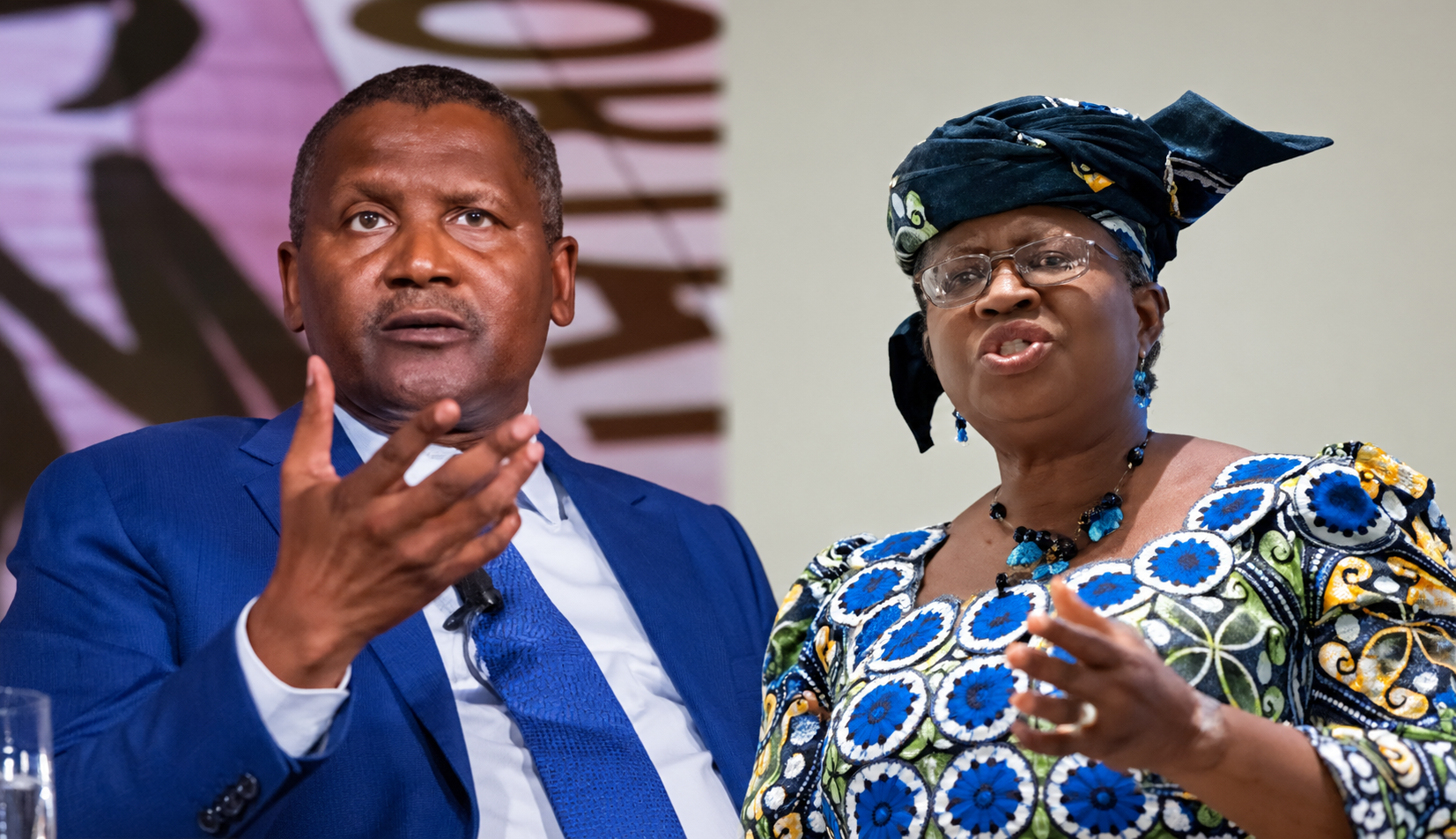
Onyema also reserved special praise for industrialist Aliko Dangote, describing him as one of Nigeria’s greatest nation-builders. He believes the Dangote Refinery has become a strategic national asset, particularly during periods of global energy uncertainty. Without it, he argues, fuel prices could have been significantly worse. However, he maintains that middlemen within the supply chain continue to inflate costs before aviation fuel eventually reaches airlines.
Despite facing intense public scrutiny over flight delays and operational disruptions, Onyema remains unwavering in his commitment to safety. He insists that no amount of social media outrage or public pressure will force Air Peace to compromise international aviation standards. Delays, he explains, often arise from weather conditions, technical requirements and airport operational constraints that are beyond the control of airlines. Delaying flights costs airlines money, making deliberate disruptions economically irrational. Safety, he insists, will always come before convenience.
YOU CAN ALSO READ: Why Samson Esemuede Believes Africa Is Sitting on a Generational Opportunity
Perhaps the most powerful aspect of Allen Onyema’s story is that he has never viewed Air Peace as a private enterprise alone. He sees it as a national intervention. Every aircraft represents jobs. Every route creates opportunities. Every destination expands Nigeria’s economic reach and strengthens its global relevance. The collapse of indigenous airlines, he warns, would create ripple effects that extend to unemployment, banking vulnerabilities and even national security concerns.
Nigeria now stands at a crossroads. It must decide whether to continue treating indigenous airlines as ordinary businesses struggling to survive or recognise aviation as a strategic pillar capable of accelerating economic growth, regional integration and international influence. Allen Onyema has spent years proving that Nigerians can build world-class institutions. He has evacuated citizens during times of crisis, connected continents and expanded Nigeria’s presence across international skies.
The bigger question now is whether Nigeria will protect those who have consistently protected its image. Because if the country allows its aviation dream to crash, it will lose far more than airplanes. It will lose momentum, opportunities and perhaps one of its strongest examples that African ambition, when properly supported, can truly soar.