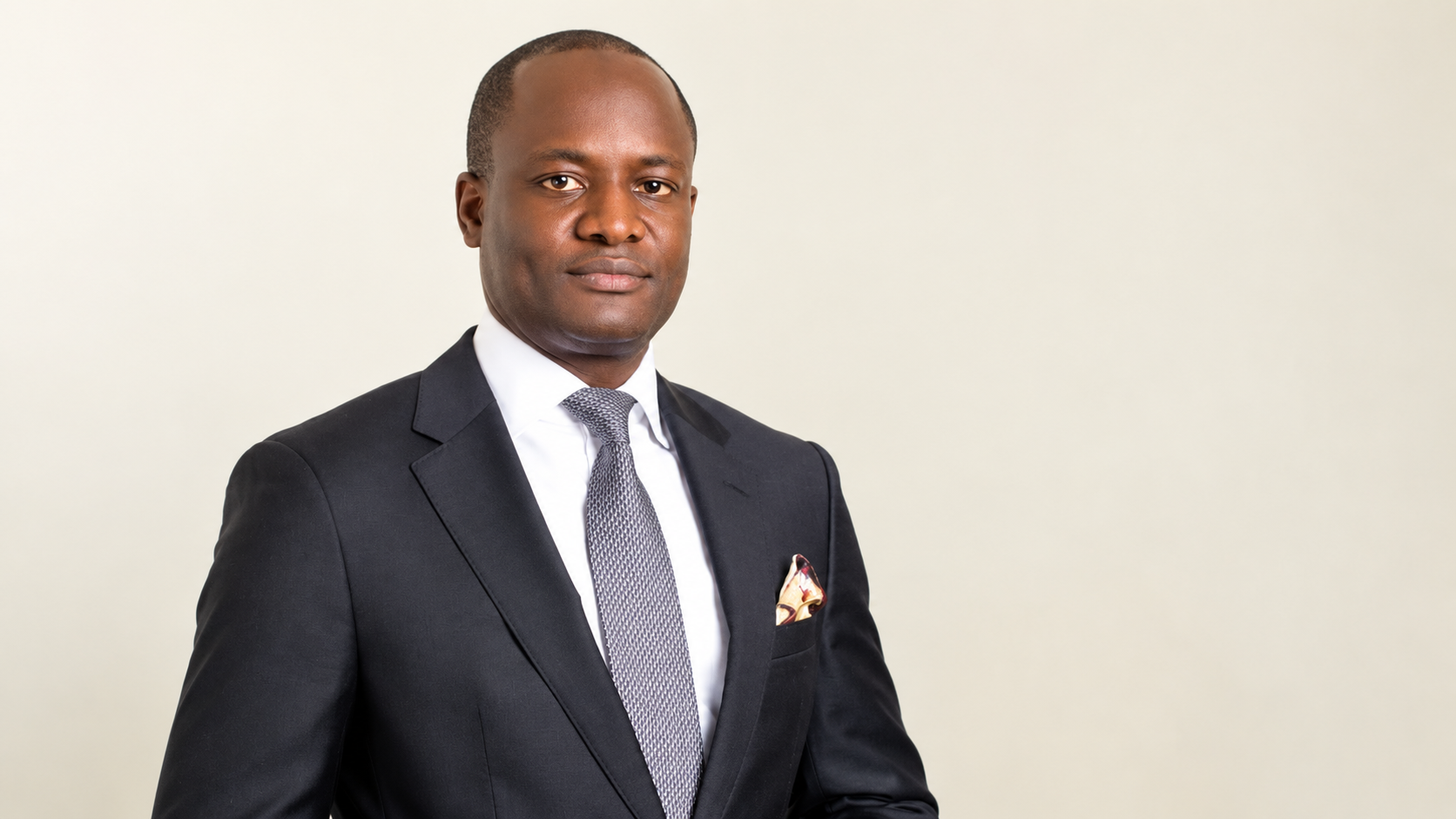
In an entertainment industry defined by fleeting trends and short-lived fame, few artists have demonstrated the staying power, versatility and creative evolution of Leo Ku. For more than three decades, the Hong Kong icon has remained a commanding force across music, television, entrepreneurship and creative arts, not by standing still, but by continuously reinventing himself while remaining true to the passions that first inspired him.
Speaking at a recent Talks at Google session in Hong Kong, Ku offered a rare glimpse into the mindset that has sustained his remarkable career. The conversation moved beyond chart-topping hits and awards, revealing an artist driven not by celebrity, but by curiosity, creativity and an unwavering commitment to growth.
For many across Asia, Leo Ku’s voice forms part of the soundtrack of their lives. His songs have accompanied graduations, heartbreaks, friendships and countless personal milestones. Yet behind the accolades lies a creator who never viewed music as merely entertainment.
YOU CAN ALSO READ: Energy, Investment and Influence: Why NOG Energy Week 2026 Matters More Than Ever
Over the years, Ku has transformed songwriting into a form of storytelling, using albums to document not only his own journey but also the changing realities of society. What began as a young singer’s excitement at having songs of his own gradually evolved into a deeper mission: capturing the spirit of an era through music.
Rather than treating albums as collections of unrelated tracks, Ku pioneered the concept album approach in Cantopop, building narratives that connected songs into cohesive artistic experiences. Projects such as Human, Game Base, Happy Ending and Victoria reflected his desire to create works with meaning, structure and emotional continuity.
For Ku, music is not simply consumed; it is experienced.
His critically acclaimed album Human explored the entire cycle of life, beginning with birth and ending with death, while tracing the emotional milestones that define the human experience. Victoria, meanwhile, became a love letter to Hong Kong itself, weaving together stories of ordinary citizens, working-class struggles, urban pressures and enduring hope.
The creative ambition behind these projects reflects a philosophy that has guided Ku throughout his career: every artistic work should leave behind something larger than itself.
That mindset has also shaped how he navigates success.
Despite amassing more than 350 music awards and becoming one of the most decorated artists in Hong Kong history, Ku remains remarkably grounded. When asked about the moment he felt he had truly “made it,” his answer surprised many.
It was not receiving awards. It was not topping charts. It was not achieving regional superstardom through his breakthrough television role in Romance in the Rain.
Instead, it was becoming a father.
For Ku, the birth of his son represented a far deeper measure of success than any professional accomplishment. While grateful for a career filled with recognition and opportunities, he now views family as life’s most meaningful achievement.
That shift in perspective has also influenced his approach to work. Today, rather than pursuing relentless expansion, he carefully balances creative ambition with the precious moments of parenthood. Touring schedules, recording projects and business ventures are increasingly evaluated through the lens of family priorities.
Yet fatherhood has not diminished his passion for innovation.
If anything, it has strengthened his determination to remain relevant in an era of rapid technological transformation.
One of the most fascinating moments during the discussion came when Ku addressed artificial intelligence. While many artists express concern about AI’s impact on creative industries, Ku adopts a distinctly different perspective.
Fear, he argues, serves little purpose.
Every generation faces technological disruption. Just as cassette tapes gave way to CDs, and CDs gave way to digital streaming, AI represents another inevitable evolution. The challenge is not resisting change but learning how to work alongside it.
Ku is already exploring AI-powered creative initiatives, including projects that allow talented singers who are uncomfortable appearing on camera to showcase their voices through virtual performers generated using artificial intelligence. Yet he remains convinced that technology can never replace the emotional authenticity of human creativity.
“Human creation is human creation,” he explained. “People can feel the warmth behind it.”
This balance between embracing innovation and preserving artistic authenticity reflects the broader philosophy that has defined his career.
Throughout the conversation, Ku repeatedly returned to one central theme: passion.
As a child, he did not dream of becoming a famous singer. In fact, his first love was drawing. Long before the spotlight found him, he spent hours sketching and imagining a future where he might one day host a small art exhibition. Singing emerged later, nurtured by countless hours spent listening to legendary artists such as Leslie Cheung, Alan Tam, Anita Mui and Danny Chan.
His eventual journey into music happened almost by accident. Starting as a trainee actor, then a television host, Ku gradually found opportunities that led him toward a recording career. Looking back, he credits persistence rather than certainty for his success. His personal motto remains simple yet powerful: “You never know until you try.”
That philosophy helped him navigate setbacks, career uncertainties and creative crossroads. While disappointments once felt overwhelming, experience taught him that both failures and triumphs eventually shrink when viewed through the lens of time.
The key, he believes, is not becoming too discouraged by setbacks or too intoxicated by success. Maintain perspective. Keep learning. Keep creating.
Perhaps nowhere is this mindset more evident than in his efforts to nurture emerging talent. Through collaborative projects with younger musicians and initiatives designed to discover hidden voices, Ku has embraced a new role as mentor and bridge-builder between generations.
Rather than positioning himself as a veteran with all the answers, he sees himself as part of an ongoing cycle of learning and giving back. The next generation, he insists, possesses extraordinary talent and fresh perspectives that can enrich the future of music.
YOU CAN ALSO READ: Oprah Winfrey and the Power of a Second Chance
As the conversation drew to a close, Ku offered advice that transcended the entertainment industry. Find something you truly love.
Not something others tell you to pursue. Not something chosen for status or security. Something that naturally draws you in even when no one is watching.
Because when challenges inevitably arise, as they always do, passion becomes the fuel that keeps you moving forward.
After more than thirty years in the spotlight, Leo Ku’s greatest lesson may be that longevity is not built on talent alone. It is built on curiosity, humility, resilience and the courage to evolve without losing sight of who you are.
In an age obsessed with instant success, his story serves as a reminder that true achievement is measured not by how long you remain visible, but by how meaningfully you continue to grow.