Kola Adesina
Global employee engagement fell to just 20% in 2025, its lowest level since 2020, costing the global economy an estimated $10 trillion in lost productivity, according to Gallup’s 2026 findings. The size of that number is significant. But for business leaders, I believe the more important question is what it tells us about how organisations create and sustain growth.
At its core, profitability is a function of how effectively an organisation converts its capital, technology, systems and people into value. Yet, when businesses look for ways to improve productivity, the conversation often centres on technology, restructuring, automation and cost reduction. These are important levers, but there is another productivity asset that exists within virtually every organisation: people.
YOU CAN ALSO READ: What Your Email Reveals About Your Leadership
The willingness and ability of employees to give their best can have a profound impact on how effectively an organisation performs. When people are genuinely engaged, decisions can move faster. Teams collaborate more effectively. Execution improves. Innovation becomes easier to foster. Customers ultimately experience the difference.
And when these improvements are sustained, they compound into stronger productivity, profitability and long-term growth. This is why I believe employee engagement should no longer be viewed simply as an HR matter.
It is an economic issue. More importantly, it is an executive issue. The responsibility for creating an environment where people can perform at their best cannot sit entirely with the human resources function. It requires leadership commitment, clarity of purpose, effective communication, accountability and a culture that enables people to contribute meaningfully to the organisation’s objectives.
For CEOs and business leaders, this should prompt a different way of thinking about productivity. The question should not only be: How can we reduce costs or introduce better technology?
We should also be asking: Are we getting the best possible value from the people, capabilities and resources we already have? The companies that create sustainable growth will not necessarily be those that spend the least. They will increasingly be those that understand how to extract the greatest value from the resources they already possess.
And among those resources, people remain the most important. Technology can accelerate execution, capital can fund expansion and strategy can establish direction. But people turn these resources into results.
YOU CAN ALSO READ: Why Nigeria’s $1tn Ambition Needs a Stronger Insurance Industry — Fajemirokun
That is why the connection is so important: productivity drives profitability, but people drive productivity. For leaders, therefore, investing in employee engagement is not simply an investment in workplace culture. It is an investment in the economic performance and future competitiveness of the organisation.
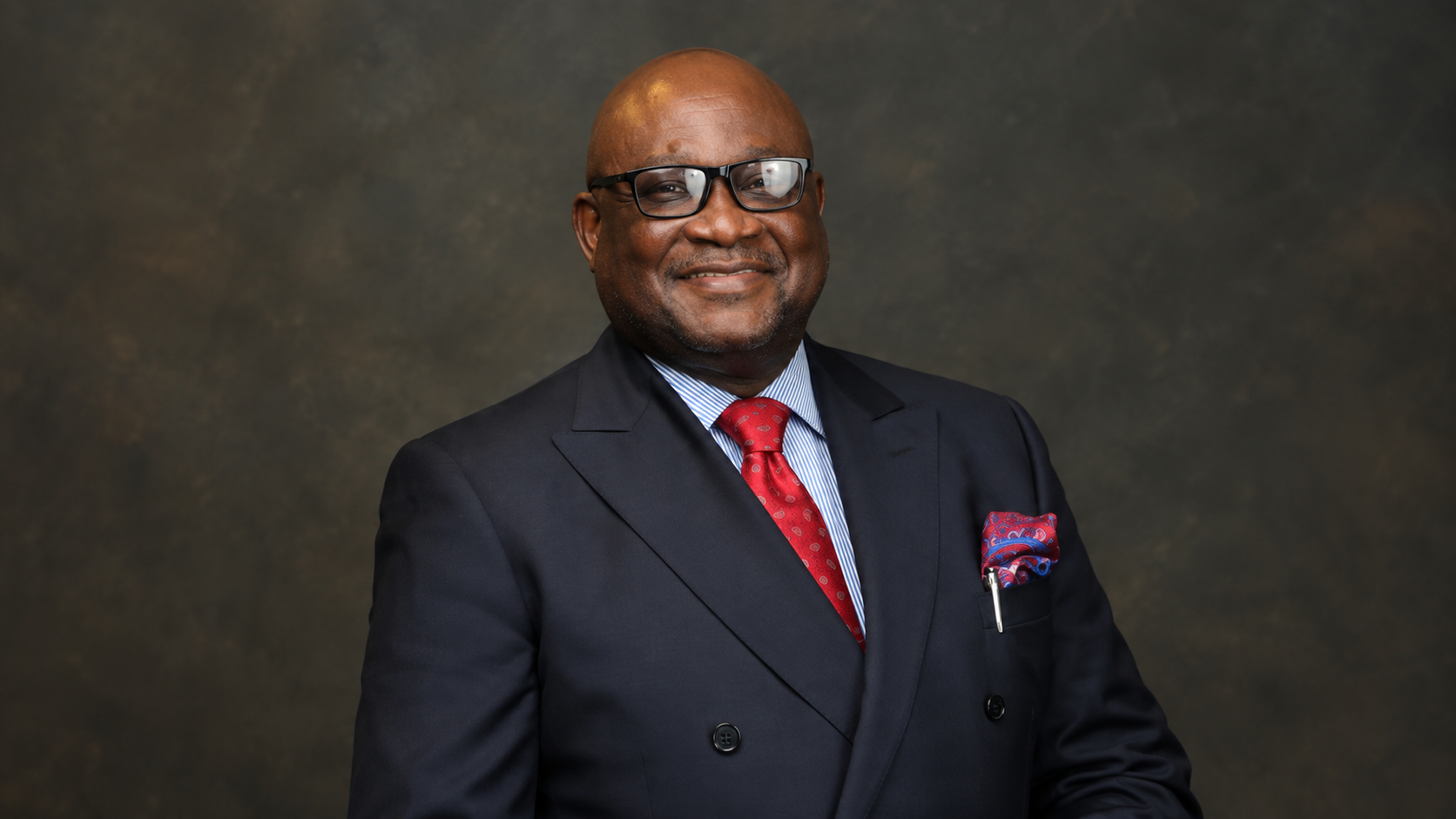
Kola Adesina is the Chairman of the Board at AXA Mansard and Group Managing Director at Sahara Power Group