As the world’s energy map undergoes one of its most significant transformations in decades, Africa is increasingly emerging not as a spectator, but as a strategic player in shaping the future of global energy security. Against a backdrop of geopolitical tensions, supply chain disruptions, rising energy demand and shifting investment priorities, the continent’s vast hydrocarbon resources, growing gas infrastructure and expanding energy ambitions are drawing renewed international attention.
It is within this historic context that NOG Energy Week 2026 returns for its landmark 25th anniversary edition, bringing together some of the most influential voices in government, industry, finance and technology to define Africa’s next chapter in energy leadership.
Scheduled to take place from 5–9 July 2026 in Abuja, the silver jubilee edition of the continent’s premier energy gathering will convene policymakers, ministers, global investors, international energy companies, regulators and business executives under the theme, “Forging Africa’s Strategic Energy Growth Through Global Collaboration.” Far more than a conference theme, it reflects a growing reality: the future of global energy security will increasingly depend on Africa’s ability to attract investment, scale production, build resilient infrastructure and strengthen international partnerships.
YOU CAN ALSO READ: Africa’s Energy Sector Looks to Technology and Collaboration at NOG Energy Week 2026
Around the world, nations are reassessing energy strategies in response to geopolitical uncertainties and evolving security concerns. Traditional supply routes are being reconsidered, new alliances are emerging, and energy-producing nations are competing for capital in an increasingly complex investment environment. For Africa, these developments present both a challenge and a remarkable opportunity.
The continent possesses some of the world’s most promising untapped energy reserves, significant gas potential and a growing appetite for industrialisation. Yet unlocking this potential requires more than resources alone. It demands coordinated policy frameworks, strategic infrastructure investments, technological innovation and stronger regional cooperation. NOG Energy Week’s 2026 Strategic Conference has been carefully designed around eight thematic pillars aimed at helping governments and industry leaders create actionable strategies that strengthen Africa’s position within the evolving global energy ecosystem. The result is a conference programme that goes beyond conversations and focuses squarely on execution, investment and measurable outcomes.
The newly released Strategic Conference programme outlines an intensive three-day agenda running from 7–9 July 2026, featuring ministerial forums, executive dialogues, investment-focused discussions, diplomatic engagements, project announcements and partnership signings. Delegates will explore some of the most pressing questions facing the energy industry today: How can Africa maximise upstream investment opportunities in an increasingly competitive market? What role can gas and LNG play in driving industrialisation and export growth? How should energy systems evolve to support the growing electricity requirements of artificial intelligence, hyperscale computing and data centres? And what policy reforms are necessary to attract long-term capital into energy infrastructure?
The agenda addresses these questions through high-level sessions focused on upstream growth, offshore investment opportunities, refining expansion, domestic gas utilisation, power market reform, hydrogen development and policy harmonisation across African markets. Underlying each discussion is a central objective: positioning Africa as a reliable and indispensable contributor to global energy stability.
One of the defining features of this year’s programme is its integrated approach to energy development. Rather than examining oil, gas, power and renewables in isolation, NOG Energy Week 2026 recognises that future energy success will depend on connecting every link in the value chain. From exploration and production to transportation, refining, distribution and consumption, the conference will examine how infrastructure, policy and investment can work together to deliver energy at scale while supporting economic growth.
This holistic perspective reflects the growing understanding that energy security is no longer simply about resource extraction. It is equally about processing capacity, market access, supply reliability and industrial competitiveness. As Nigeria continues to advance its gas-led industrialisation agenda, natural gas and LNG will feature prominently throughout the conference programme. Increasingly viewed as the bridge between current energy realities and future energy aspirations, gas has become central to discussions around power generation, manufacturing competitiveness, export earnings and energy access.
Industry leaders will examine how gas infrastructure investments, regulatory reforms and regional market integration can unlock new opportunities for growth while strengthening Africa’s position in global energy markets. Alongside these conversations, delegates will also explore emerging opportunities in renewable energy, decarbonisation strategies and energy transition pathways designed to balance economic development with sustainability objectives.
The 2026 edition also reflects the growing convergence between energy and technology. As artificial intelligence reshapes industries worldwide and data centres drive unprecedented demand for reliable power, technology has become a critical factor in determining energy sector competitiveness. Dedicated sessions will explore how AI-powered solutions, advanced analytics, digital technologies and automation can improve exploration success rates, optimise production efficiency, enhance market responsiveness and strengthen operational resilience.
For energy producers seeking to do more with less while remaining competitive in increasingly volatile markets, technology may prove to be one of the sector’s most valuable resources. The conversations taking place at NOG Energy Week 2026 will be led by some of the most influential decision-makers shaping Africa’s energy landscape.
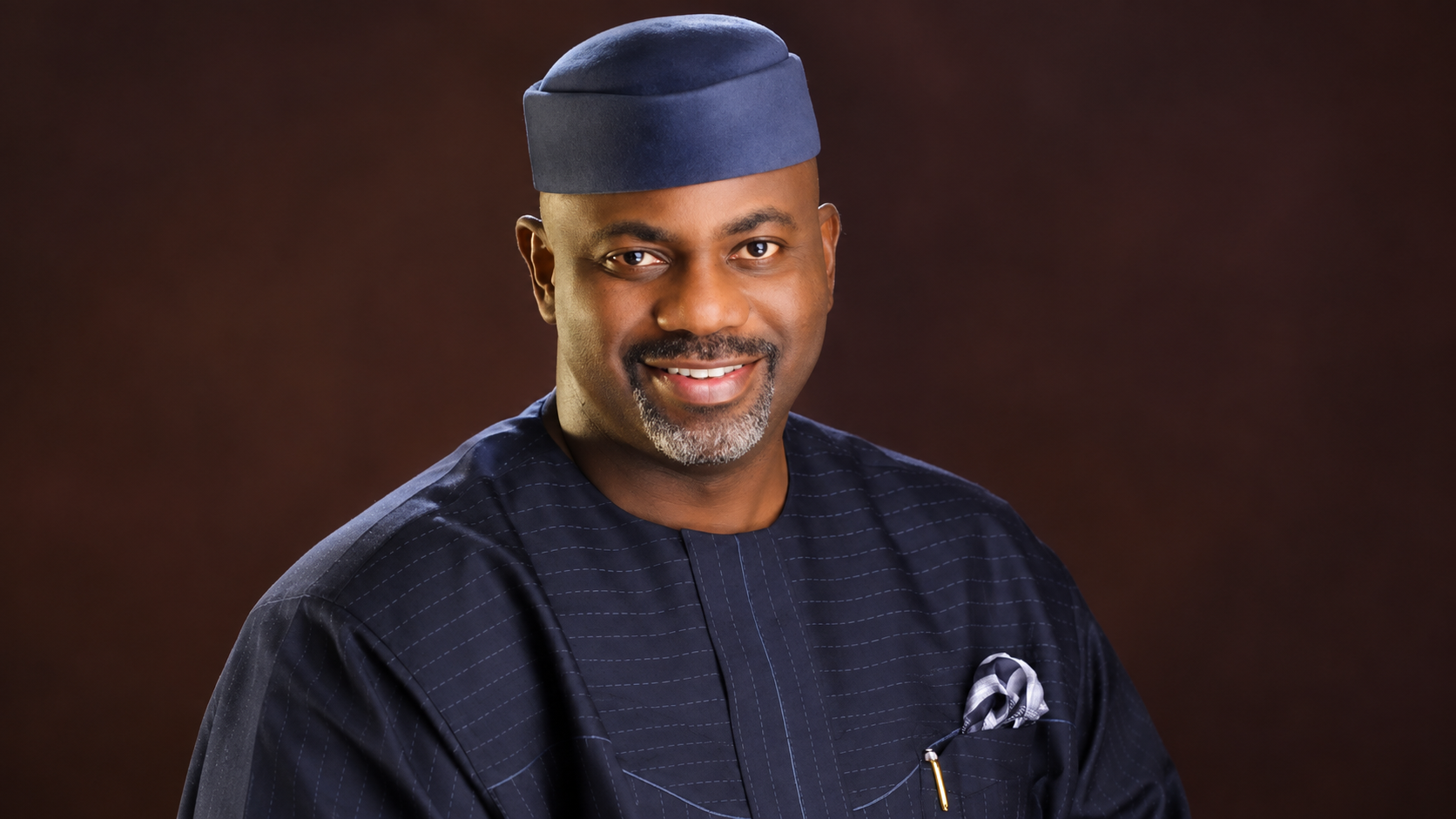
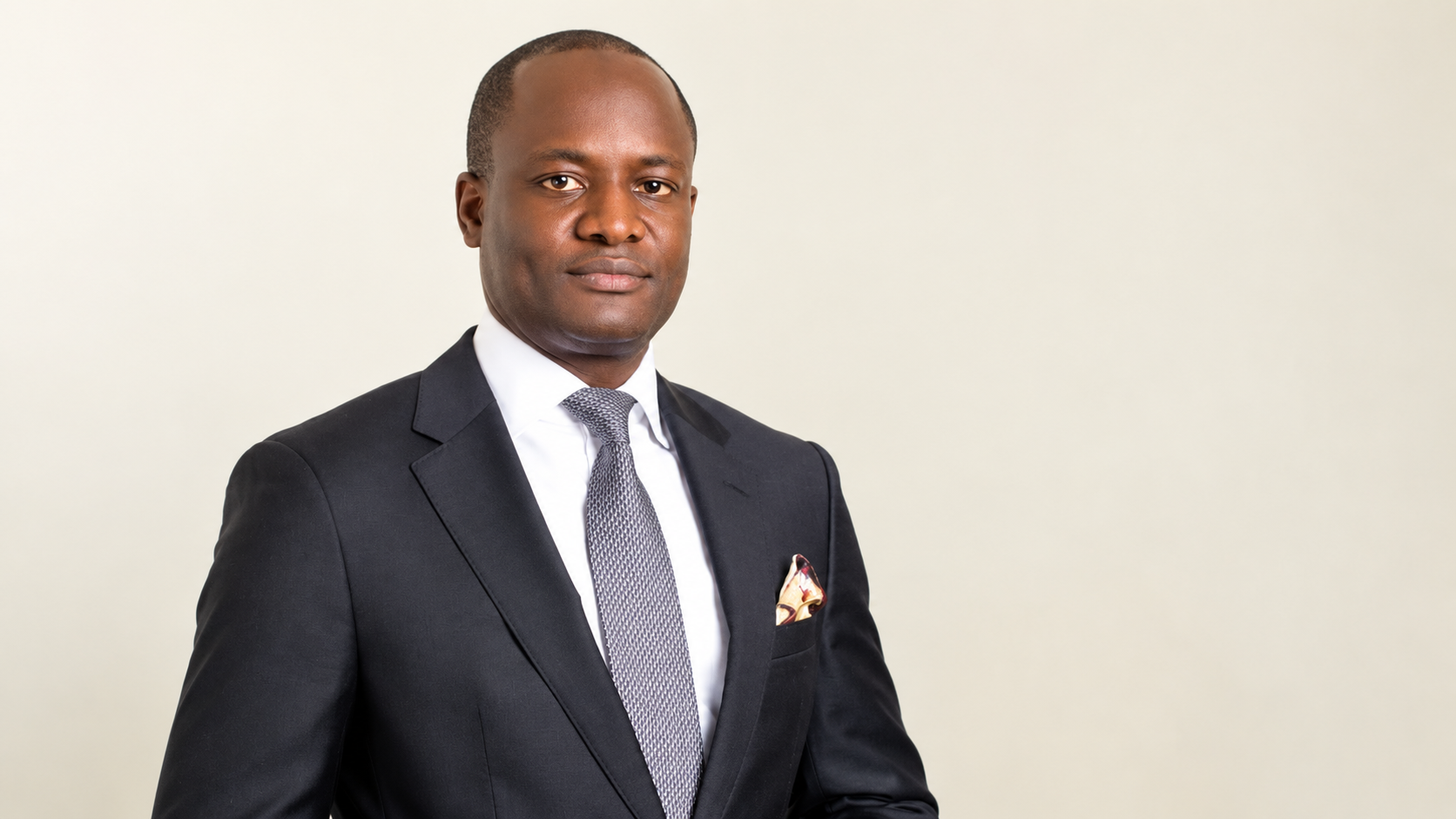
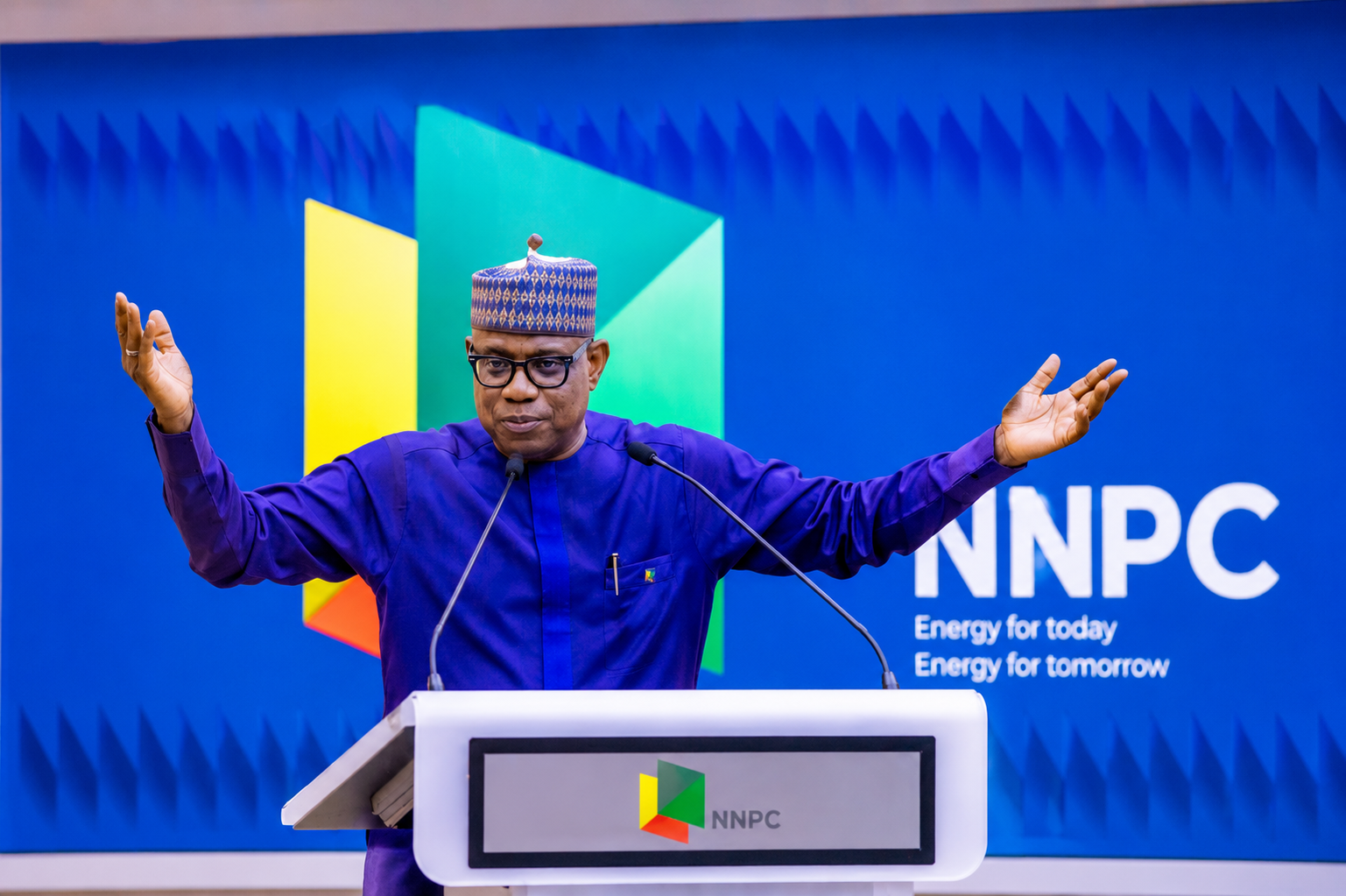
Confirmed speakers include H.E. Sen. Heineken Lokpobiri, Nigeria’s Minister of State for Petroleum Resources (Oil); H.E. Rt. Hon. Ekperikpe Ekpo, Minister of State for Petroleum Resources (Gas); and H.E. Dr Canon Ruth Nankabirwa Ssentamu, Uganda’s Minister of Energy and Mineral Development. They will be joined by an impressive lineup of industry leaders, including Engr. Bayo Bashir Ojulari, Group Chief Executive Officer of NNPC Limited; Mario Bello of Eni; Jim Swartz of Chevron Nigeria; Dr Ainojie Alex Irune of Oando Energy Resources; Nasir Alfa Mohammed of the Ghana Petroleum Commission; Engr. Cany Jobe of The Gambian Petroleum Commission; and Adeleye Falade of NLNG.
Together, they represent the institutions and organisations responsible for driving investment decisions, shaping policy frameworks and unlocking the next wave of energy growth across the continent.
YOU CAN ALSO READ: Nigeria Is Too Big to Fail: EU Ambassador Guillaume Mignot Outlines a Shared Future
For 25 years, NOG Energy Week has evolved alongside Africa’s energy industry, serving as a platform where policy meets capital, innovation meets opportunity and partnerships become projects. The 2026 edition seeks to build on that legacy through a renewed focus on strategic partnerships and regional alliances. From discussions within the NOG Energy Club to negotiations taking place inside the Deals Lounge, the event is designed to facilitate meaningful engagement between governments, investors, operators and technology providers.
With more than 7,500 attendees, 300 exhibitors, 2,000 conference delegates, 150 speakers, representatives from 85 countries and over 50 conference sessions, the event remains one of the largest and most influential energy gatherings on the continent.
As Africa seeks to strengthen its role within a rapidly changing global energy landscape, NOG Energy Week 2026 arrives at a defining moment. The conversations held in Abuja will not simply reflect the future of energy; they will help shape it. For Nigeria and the wider continent, the challenge is no longer whether the resources exist. The challenge is how quickly Africa can transform those resources into prosperity, resilience and global influence. At 25 years old, NOG Energy Week intends to be at the centre of that journey.