There are two Nigerias living beneath the same flag. One exists in economic reports, policy briefings and financial-market headlines. It is a Nigeria where inflation is retreating, the naira is showing renewed strength, foreign reserves are rising, the stock market is performing strongly and interest rates are beginning to come down.
The other Nigeria is far more intimate. It exists in the crowded market where a shopper counts the notes in her purse before approaching the next stall. It is found in the family kitchen, where the rising cost of food quietly reshapes what goes into the cooking pot. It lives in the salary earner who watches payday arrive with relief and disappear with alarming speed. It is the Nigeria where an emergency can transform a carefully balanced household budget into a family-wide crisis.
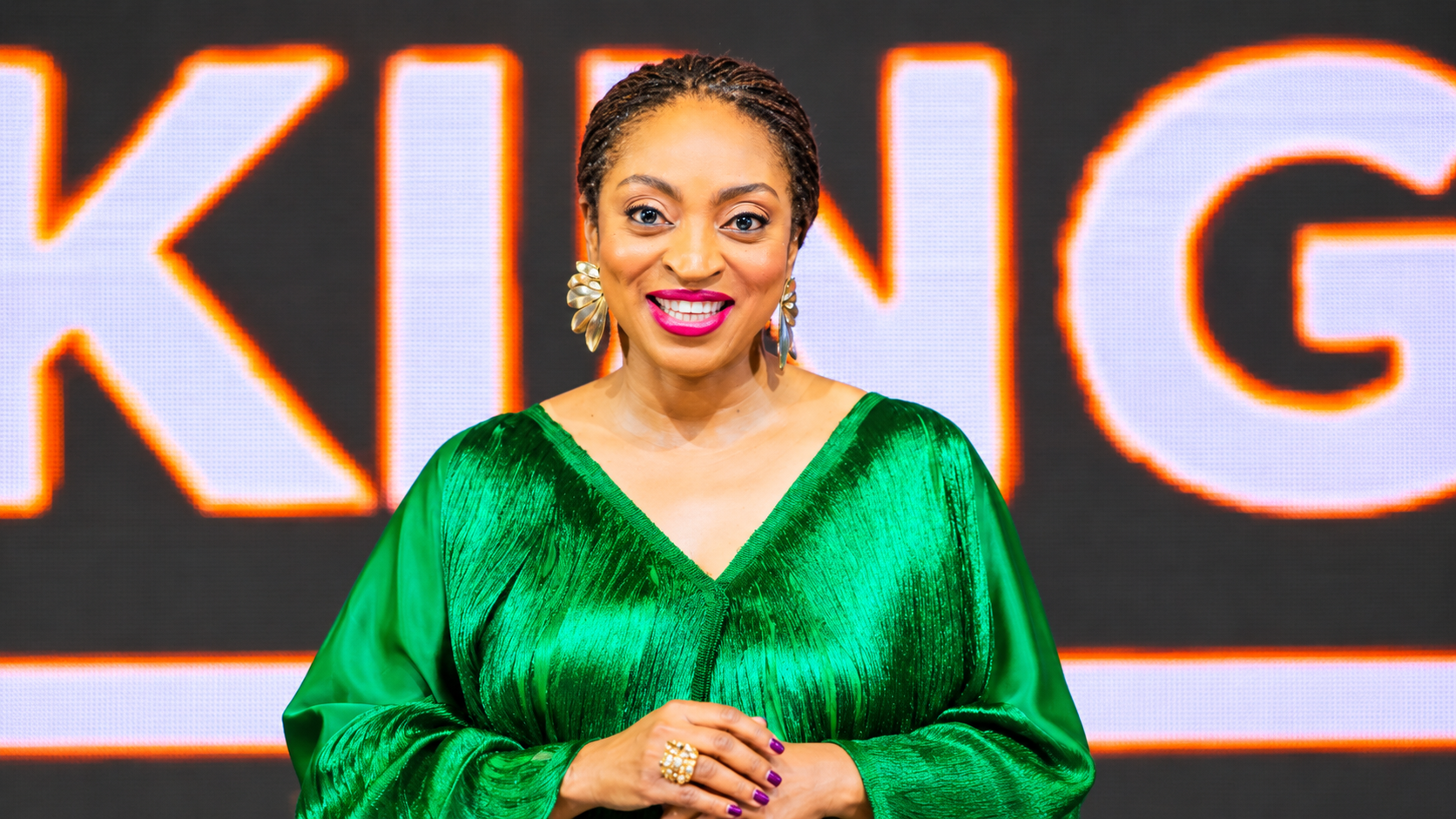
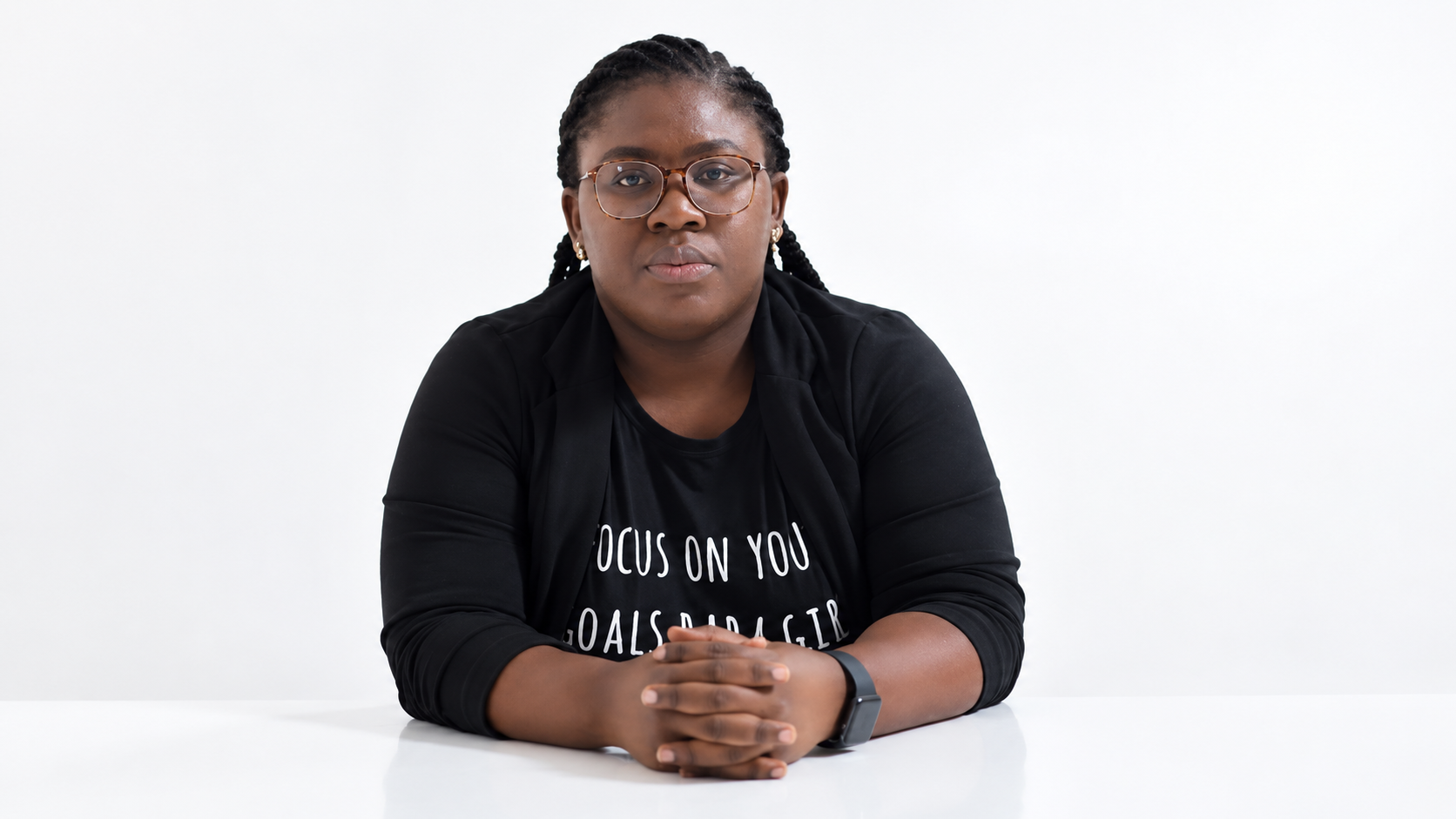
Both are real. And it is the distance between them that Odun Eweniyi, Co-founder and Chief Operating Officer of PiggyVest, placed at the centre of her keynote at PiggyVest OpenHouse 2026. Speaking to an audience gathered to mark a defining chapter in the financial technology company’s journey, Eweniyi deliberately moved beyond the familiar language of product updates and corporate milestones. After a decade of building one of Nigeria’s most recognisable digital savings platforms, she turned the spotlight outward, towards the country around the business and, more importantly, the country inside the financial lives of its users. She called it “A Tale of Two Nigerias.”
The title was more than a rhetorical flourish. It became a lens through which she examined the uncomfortable contradiction at the heart of Nigeria’s current economic story: a country whose macroeconomic indicators are beginning to look healthier while millions of citizens continue to struggle to feel that improvement in their pockets. PiggyVest’s vantage point gives Eweniyi an unusually close view of that contradiction. Almost 10 million people, she noted, have shown the company what money actually looks like in Nigerian homes.
YOU CAN ALSO READ: “AI Could Transform Africa, Only If the World Closes the Language Gap” – Bill Gates
Not what economic theory says money should look like, not what a policy document says it should do, but what happens when the salary arrives, when rent is due, when food prices rise, when family calls, when a business needs capital and when an unexpected emergency appears without warning. It is a view of Nigeria measured not only in percentages, but in decisions.
By conventional measures, the Nigerian economy has reasons to breathe a little easier. Inflation, which had climbed to 35 per cent at the end of 2024, had fallen to around 15 per cent at the time of Eweniyi’s address. The naira had reached a two-year high. Foreign reserves were at their strongest level in 18 years. The Nigerian stock market was performing strongly, while JP Morgan had returned Nigerian bonds to one of its emerging-market indexes after an 11-year absence.
The Central Bank of Nigeria had also reduced its policy rate from 26.5 per cent to 23 per cent, one of its most significant cuts in years. Taken together, the figures suggest a country emerging from a period of intense economic turbulence. Nigeria, Eweniyi acknowledged, is having a better year. The numbers are not lying. But numbers, she suggested, can sometimes tell only half the story. Because there is another Nigeria.
For millions of citizens, the economic recovery remains an abstraction. The market is not. The rent notice is not. The school bill is not. The cost of feeding a family is certainly not. Eweniyi pointed to the extraordinary weight food continues to carry in household budgets. Nigerians spend roughly six out of every 10 naira they earn on food, making the country’s food expenditure burden one of the highest in the world. This changes the meaning of inflation.
A falling headline inflation rate may sound reassuring, but if the prices of the things people buy most frequently remain painfully high, the emotional experience of the economy barely changes. The mathematics may improve before the household does. That is why a Nigerian can hear that inflation is falling and still walk into a supermarket or market stall and wonder where the promised relief has gone. The contradiction is not imaginary. It is sitting in the shopping basket. It is on the dinner table. It is in the depleted bank account.
Income tells another part of the story. According to the figures presented by Eweniyi, 58 per cent of Nigerian adults earn below ₦100,000 a month or earn nothing at all. Among Gen Z, the proportion rises to 77 per cent. The minimum wage may have increased substantially in naira terms, but its purchasing power tells a more complicated story. This is one of the paradoxes that has defined the Nigerian experience in recent years: people can earn more money and still find themselves capable of buying less. The currency amount on a payslip may be larger. The life it can purchase may be smaller.
And that distinction has consequences. It explains why savings, one of the most important indicators of household resilience, have come under such pressure. PiggyVest’s research paints a sobering picture. In 2023, eight out of 10 people surveyed were able to save. In the latest research, fewer than five in 10 could do so. The decline is not simply about financial discipline. It is about financial space. When income is consumed entirely by necessities, saving becomes less a question of intention and more a question of arithmetic. When respondents were asked why they had stopped saving, 60 per cent pointed to the same reason: they did not earn enough. They had not abandoned the desire to save. They had lost the margin that made saving possible.
There is a particular cruelty to financial pressure in an economy where income arrives monthly. The calendar moves with predictable precision. The bills do too. But income does not always stretch far enough to meet them. Eweniyi observed that about half of income earners begin each month uncertain about whether their money will last until the end of it. That uncertainty changes the psychology of money. Saving becomes difficult. Planning becomes fragile. An unexpected expense becomes a threat. And an emergency rarely remains an individual’s problem for long.
This is why Eweniyi’s assertion that Nigeria does not have a savings problem, but a systems problem carries weight. The issue is not that Nigerians do not understand the importance of saving. The evidence suggests they do. The issue is that millions of people need systems capable of protecting their money from the relentless demands competing for it. In that sense, financial technology becomes more than convenience. It becomes infrastructure.
For a decade, PiggyVest has built its proposition around this reality. Safelock, Target Savings and other products are designed around a simple understanding of human behaviour: sometimes the money we intend to keep must be separated from the money we are allowed to spend. Target Savings recognises that rent does not care about mood or circumstance. It arrives on a date. Safelock recognises that discipline is easier when the money is protected from impulse. Flex Dollar responds to another concern entirely, allowing users to think about preserving value beyond the traditional naira environment.
Behind the products is a broader philosophy. Financial resilience is rarely built in one dramatic moment. It is constructed quietly, repeatedly and deliberately. A little money protected today can become emergency money tomorrow. A modest monthly contribution can eventually become a financial cushion. And a financial cushion can mean the difference between facing an emergency independently and making a desperate call to family. That is where Eweniyi’s argument becomes larger than savings. It becomes an argument about dignity.
The Nigerian family has historically served as one of the country’s most important financial safety nets. When money runs out, someone calls a sibling. When rent becomes difficult, a parent may intervene. When a business suffers a setback, friends and relatives may provide a lifeline. Eweniyi noted that friends and family remain the leading source of loans for Nigerians, ahead of banks and loan applications. It is a powerful reflection of the country’s social structure. But it also reveals the hidden cost of financial insecurity.
Every person unable to absorb an emergency independently potentially transfers that emergency to somebody else. And every person who can handle their own financial shock removes one more burden from the family network. In Eweniyi’s framing, personal financial resilience therefore becomes collective resilience. A savings account can become more than a balance. It can become one less phone call. One less request. One less family crisis. One more measure of independence.
Yet the story Eweniyi told was not ultimately one of despair. It was a story of extraordinary resilience. More than half of Nigerians have considered leaving the country, according to the figures she presented. Yet the desire to leave has increasingly coexisted with another desire: the determination to build something at home. One of the most revealing signals comes from Gen Z. In 2023, “Japa” was the leading savings goal for more than half of Gen Z respondents. By 2025, it had disappeared from their major savings goals.
That shift can be interpreted in many ways. Perhaps leaving has become financially harder. Perhaps global immigration has become more restrictive. Perhaps economic realities have forced a recalibration of expectations. But there is another interpretation, and it is the one Eweniyi embraced. Perhaps Nigerians are increasingly saving to stay. Not because the country has suddenly become easy. Not because the challenges have disappeared. But because, despite everything, they have decided to build here anyway. It is an unmistakably Nigerian form of optimism: looking directly at difficulty and deciding to proceed regardless.
At the heart of Eweniyi’s presentation was one small number with an enormous implication: six per cent. Only six per cent of Nigerians surveyed said they felt financially secure and safe. Yet when PiggyVest examined this group more closely, something surprising emerged. They were not necessarily the country’s highest earners. Some earned less than ₦450,000 a month. What many of them had in common was something far simpler: they saved a fixed amount every month. Not occasionally. Not only when there was money left over. Consistently.
The discovery offered a striking alternative to the conventional definition of wealth. Financial security may not always begin with a large salary. Sometimes it begins with a habit. A fixed amount. A protected amount. A commitment repeated month after month. The significance is not in the size of the first deposit. It is in the discipline of making the deposit exist. That is where the hope lies. Not necessarily in waiting for the economy to become perfect, but in creating small areas of control within an imperfect economy.
YOU CAN ALSO READ: From Eko Bridge to the Boardroom: The Extraordinary Rise of Peter Obadare
The deeper message of Eweniyi’s keynote was ultimately a challenge to businesses, institutions and policymakers: build for the Nigeria people actually inhabit. Not an imagined consumer with perfect disposable income. Not a household untouched by family obligations. Not an employee whose salary covers every unexpected expense. The real Nigerian has rent. The real Nigerian has parents, siblings, children and extended family. The real Nigerian has a business idea that may need funding. The real Nigerian can face an emergency without warning. The real Nigerian can be financially disciplined and still struggle.
And understanding that reality is essential for anyone building products, services or policies for the Nigerian market. For Eweniyi, PiggyVest’s responsibility is therefore not simply to celebrate financial progress when the numbers improve. It is also to tell the truth when they do not. That commitment, she suggested, is central to the company’s next decade. Because economic recovery ultimately means little if it remains trapped in spreadsheets.
The real test is whether it eventually reaches the kitchen table. Whether families have more breathing room. Whether emergencies become manageable rather than catastrophic. Whether earning more finally means affording more. Whether Nigerians can build savings that give them choices instead of merely helping them survive until payday.
Nigeria may indeed be getting better on paper. But the more important question is whether Nigerians are beginning to feel better in their lives.