For decades, participation in Nigeria’s capital market has largely been the preserve of investors with the financial capacity, knowledge and access to navigate the system. The Aliko Dangote Foundation is now attempting to challenge that reality by creating a pathway for millions of Nigerians, particularly students and vulnerable women, to become shareholders.
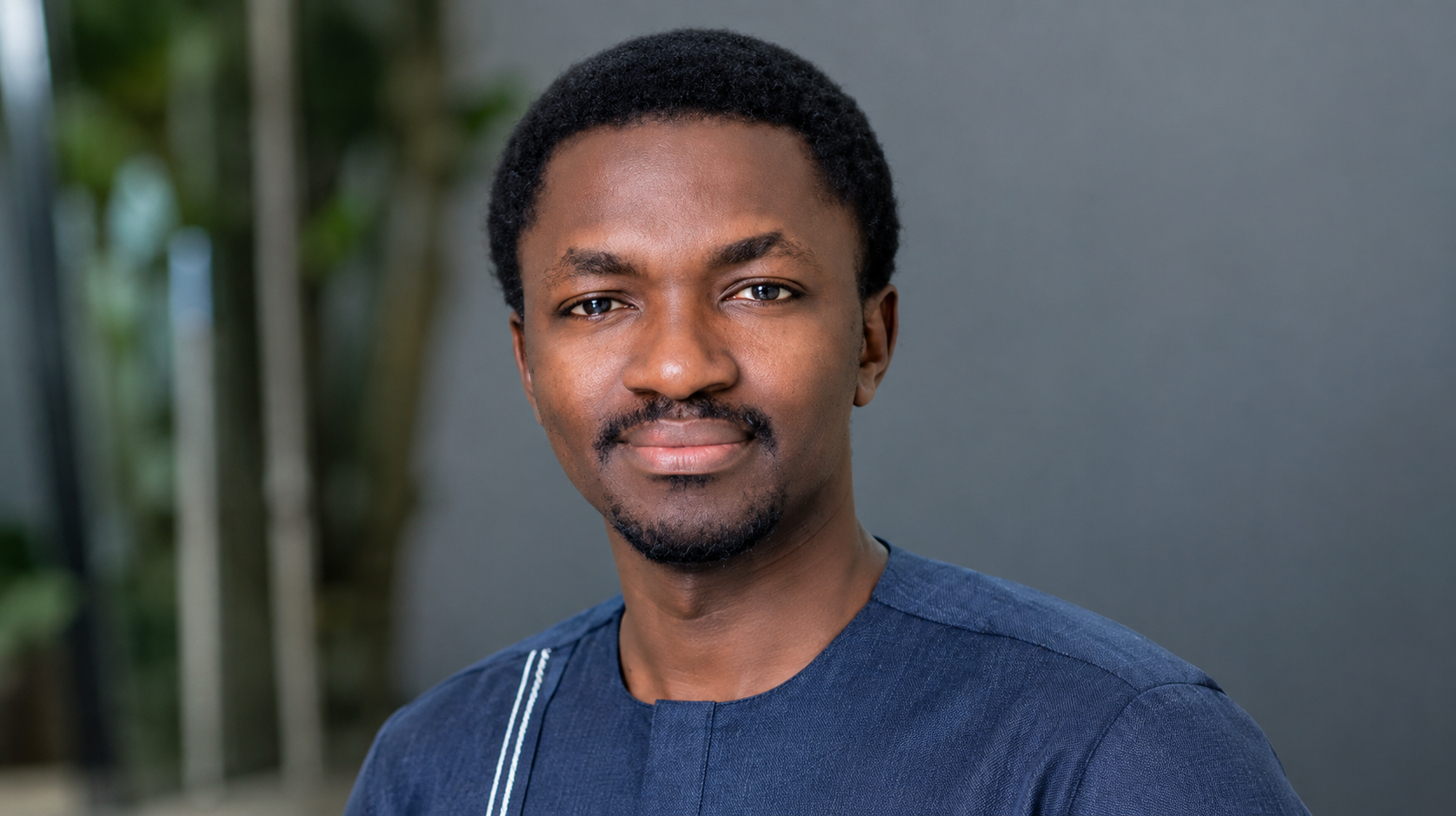
At the centre of the initiative is Zouera Youssoufou, Managing Director and Chief Executive Officer of the Aliko Dangote Foundation, who is leading an ambitious share matching programme tied to the initial public offering of Dangote Petroleum Refinery and Prochemicals Plc.
The idea is straightforward but potentially transformative. Eligible Nigerians who purchase 10 shares in the refinery IPO can receive another 10 shares funded by the Foundation. For the first five million eligible tertiary students and two million vulnerable women who participate under the respective tracks, the Foundation has committed to matching their investment.
“We want to have as many Nigerians as possible participate in the capital market,” Youssoufou explained, describing a market that has historically been inaccessible to large sections of the population.
YOU CAN ALSO READ: Dr. Jumoke Oduwole and Nigeria’s Race to a $1 Trillion Economy
The initiative reflects a broader philosophy behind the Foundation’s work. Philanthropy does not necessarily have to stop at grants, scholarships or immediate financial assistance. It can also be used to create opportunities for people to build long term financial assets.
For Youssoufou, students and vulnerable women represent two populations that have traditionally been underrepresented in the capital market. Students may be future professionals and business leaders, but many have never owned shares or developed an understanding of investing. Vulnerable women, meanwhile, often face even more fundamental barriers to financial participation.
The Foundation therefore sees the IPO as an opportunity to introduce both groups to investing while giving them an actual stake in a major Nigerian enterprise.
Under the student track, the first five million students who meet the requirements and purchase 10 shares will qualify for a matching allocation of another 10 shares from the Foundation. With the IPO price put at ₦525 per share, the initial 10 share investment amounts to ₦5,250.
The eligibility requirements are deliberately broad. Students must be at least 18 years old, enrolled in a Nigerian tertiary institution and verifiable through existing institutional and government systems. Universities and polytechnics are included, with the Foundation working with relevant education stakeholders and issuing houses to facilitate verification and applications.
The scale of the ambition is significant. Youssoufou disclosed that the Foundation has earmarked approximately ₦25 billion for the student component of the initiative.
A second track focuses on vulnerable women, with the Foundation targeting up to two million beneficiaries and setting aside approximately ₦12 billion for the programme. The definition of vulnerability is deliberately wide, covering widows, women living in extreme poverty, women living with disabilities and widows of military personnel, among other groups facing significant socioeconomic hardship.
Rather than relying solely on conventional financial market channels to identify beneficiaries, the Foundation is working with state governments, the Ministry of Women Affairs, the armed forces and other organisations that maintain registers of vulnerable populations.
Together, the student and women focused programmes represent an estimated ₦40 billion commitment from the Foundation.
But the significance of the initiative extends beyond the financial value of the shares.
Youssoufou believes the real opportunity lies in changing how Nigerians think about ownership, savings and investment.
“If we get students to start understanding how to invest, save and participate in financial markets,” she said, “as they grow up, investing will become a natural part of their lives.”
That objective makes financial literacy an essential component of the programme.
The Foundation is not simply encouraging beneficiaries to purchase shares without understanding what they are buying. Awareness campaigns are being conducted on university campuses, with student ambassadors explaining basic concepts around shares, capital markets, dividends, investment obligations and the mechanics of the IPO.
Similar engagement is being undertaken within communities where vulnerable women are being reached, with information adapted into languages that beneficiaries can understand.
The Foundation has also engaged a monitoring and evaluation firm as part of the process, reflecting the need to ensure that the programme is not merely measured by the number of shares purchased but by its broader social and economic impact.
For Youssoufou, this distinction matters. The objective is not simply to increase the number of shareholders on a register. It is to introduce people who have historically been excluded from the capital market to an entirely different mechanism for building wealth.
The initiative, however, has inevitably attracted questions about whether the Foundation’s use of its funds to purchase shares in the Dangote refinery amounts to an indirect investment in a company associated with the Dangote Group.
Youssoufou has rejected that interpretation, arguing that the Foundation is not retaining the shares or receiving the economic benefit. Instead, the additional shares ultimately belong to the beneficiaries.
Her argument rests on the destination of the asset. The Foundation is effectively transferring ownership to people who may otherwise never have had the opportunity to participate in the IPO.
“If you buy 10, we give you 10,” she explained, emphasising that the additional shares ultimately belong to the beneficiary.
That distinction is central to the Foundation’s defence of the programme. Rather than viewing the ₦40 billion commitment simply as an investment in the refinery, Youssoufou presents it as an intervention designed to broaden ownership and distribute an asset to people who have historically had limited access to the capital market.
The philosophy also reflects the wider thinking behind the IPO itself, which has been positioned as an opportunity for Nigerians to own a stake in one of the country’s most significant industrial enterprises.
Youssoufou argues that the Foundation is not motivated by a need to raise additional capital for the refinery. Instead, she says, the emphasis is on widening the pool of Nigerians who can participate as shareholders.
That distinction becomes particularly important when considering the programme’s potential scale.
The Foundation has not established a conventional revenue target for the initiative. Its principal metric is participation. How many students and vulnerable women are brought into the capital market, how many become shareholders and whether the intervention succeeds in expanding the country’s base of retail investors.
The Foundation has also indicated that if demand significantly exceeds the available allocation, measures may be considered to accommodate eligible participants.
Yet perhaps the most ambitious aspect of the programme is its potential to change financial behaviour beyond the IPO itself.
For a student who has never owned a share, receiving an additional allocation may be an introduction to a world that previously seemed reserved for wealthy investors. For a vulnerable woman, becoming a shareholder could represent something more profound. It could be the beginning of an asset base that can potentially appreciate in value over time. The programme therefore sits at the intersection of philanthropy, financial inclusion and wealth creation.
Youssoufou’s vision is not that every Nigerian should become an investor overnight. Rather, it is that more Nigerians should have the opportunity to understand the capital market and make informed decisions about participating in it.
That is why the Foundation has also acknowledged that participation remains voluntary. Some potential beneficiaries may decide that the investment does not align with their values, financial circumstances or understanding of the business. Others may choose to participate after receiving more information. The objective, therefore, is not to force participation but to remove barriers to it.
There is also a deliberate focus on reaching people outside Nigeria’s traditional investment circles. For many Nigerians, especially those living in vulnerable communities, the language of prospectuses, equity ownership and capital market investment can appear distant and complicated.
By taking the conversation to campuses and communities, the Foundation is attempting to bring the capital market closer to everyday Nigerians. That could ultimately prove to be the programme’s most enduring legacy.
YOU CAN ALSO READ: The Flutterwave Story: Olugbenga Agboola on Building Institutions That Endure
Nigeria’s economic future will not be shaped only by the size of its companies or the sophistication of its financial institutions. It will also depend on how widely ownership, opportunity and financial knowledge are distributed across society.
For Youssoufou, the Dangote refinery IPO presents an unusual opportunity to begin that process at scale.
The Foundation’s matching initiative may have been conceived around a specific IPO, but its larger proposition is about participation. Giving people who have traditionally stood outside the capital market an opportunity to step inside it.
In that sense, the programme represents more than a “buy 10, get 10” proposition. It is an attempt to turn passive consumers into shareholders, financial exclusion into participation, and philanthropy into a pathway for long term asset ownership.
Whether the initiative ultimately reaches its ambitious targets will depend on participation, verification, allocation and the experience of beneficiaries once they become shareholders. But the idea itself signals a significant shift in how corporate philanthropy can be deployed.
At its heart is Youssoufou’s conviction that wealth creation should not remain the privilege of those who already have access.
The opportunity, she argues, is to give millions of Nigerians their first meaningful encounter with ownership and, perhaps, their first step towards becoming lifelong participants in the capital market.