Twenty-five years earlier, Africa had no dollar billionaires. By the time global wealth reports began tracking the continent’s richest individuals more closely, that reality had changed dramatically. Twenty-three African billionaires collectively controlled more than $100 billion in wealth, while discussions around inequality grew louder and more urgent.
According to development organizations, the concentration of wealth among Africa’s richest individuals increasingly stood alongside another reality: millions across the continent continued to face poverty and limited economic opportunity. As wealth expanded at the top and inequality widened below, a larger debate emerged: did Africa need billionaires, and what responsibility came with extraordinary wealth?
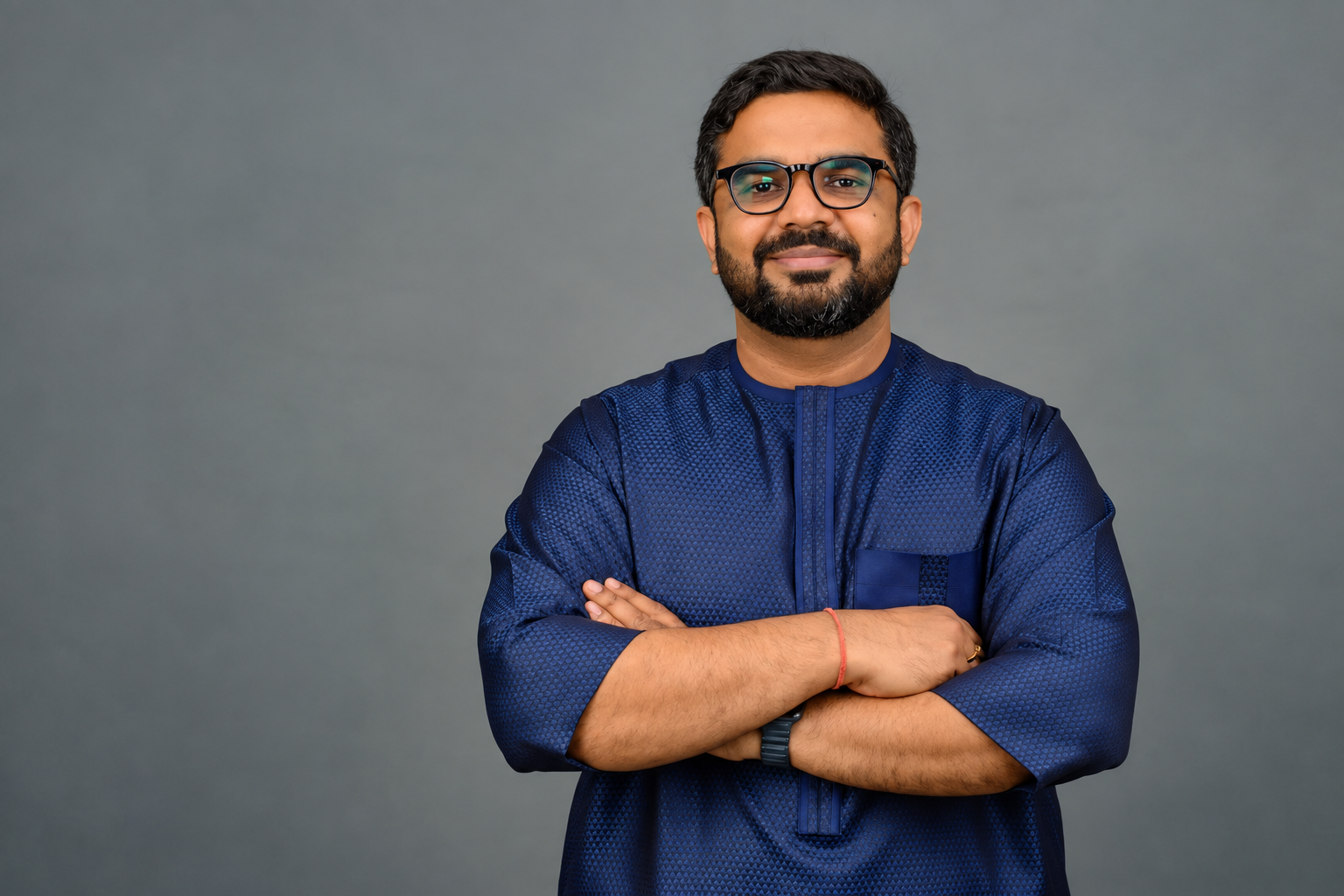
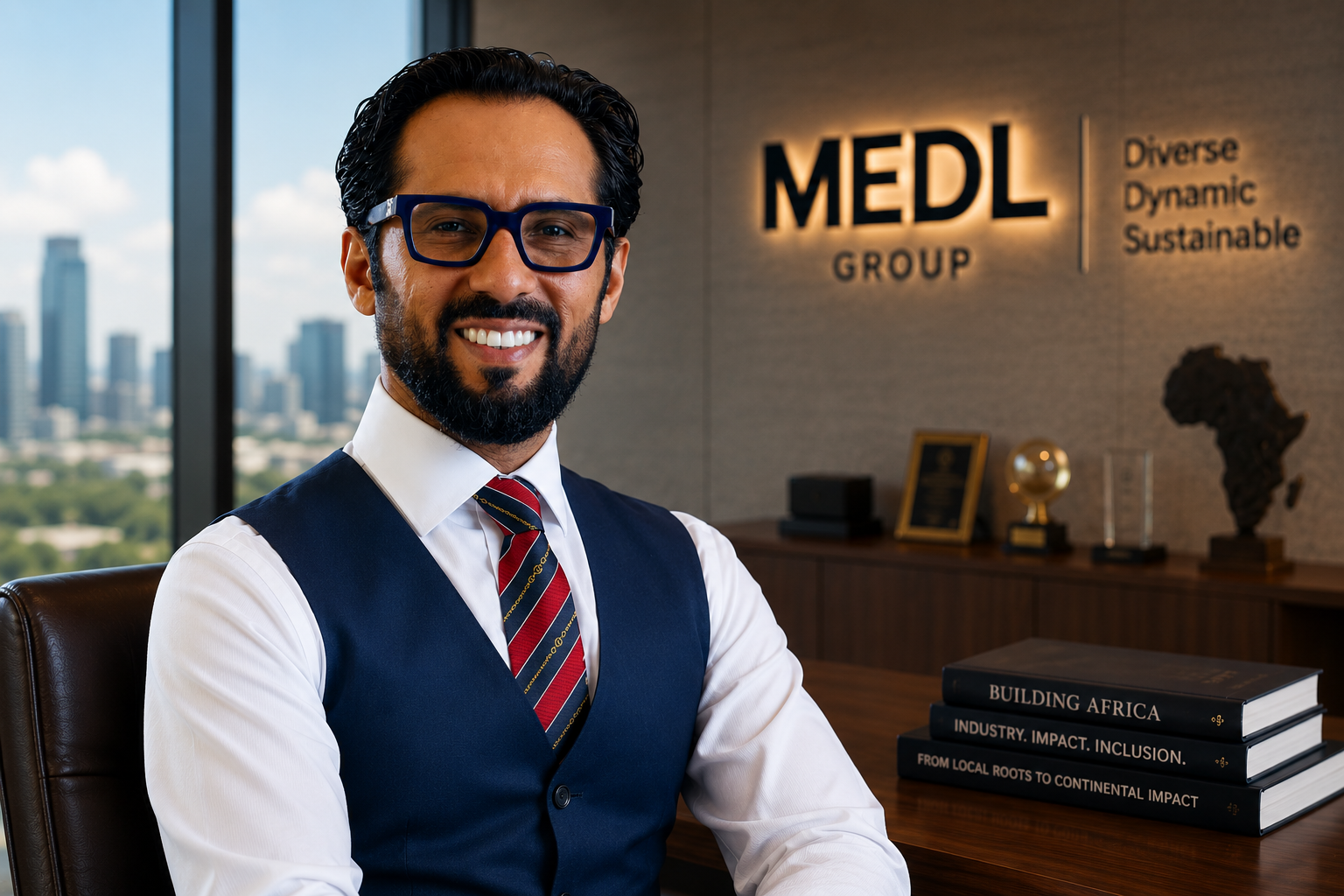
That question formed the basis of a revealing conversation on the Focus on Africa podcast, where host Charles Gitonga sat down with Tanzanian businessman and philanthropist Mohammed Dewji, Africa’s youngest billionaire, for a discussion that stretched beyond balance sheets and rankings into questions of responsibility, impact, and the role of wealth creation on the continent. Dewji arrived not as a man eager to discuss numbers, but as someone interested in explaining the philosophy behind his journey.
At the time, he served as President and CEO of the MEDL Group, a business empire spanning agriculture, manufacturing, transportation, financial services, energy, and real estate across multiple African countries, with investments also extending into sports through Tanzania’s Simba Sports Club. Yet despite an estimated fortune of approximately $2.1 billion, Dewji appeared surprisingly detached from the symbolism attached to billionaire status.
YOU CAN ALSO READ: “Whoever Feeds You Can Enslave You”: Obasanjo’s Stark Warning on Africa’s Future
“I wanted to be a wealthy man,” he said, “but I never thought about becoming a billionaire.” That distinction mattered. For Dewji, wealth had never been pursued as an abstract milestone. It had emerged from something far more practical, understanding how ordinary people spent limited income and building businesses around those daily needs. After graduating from Georgetown University with degrees in finance, international business, and theology, Dewji returned to Tanzania and joined the family business, where what he encountered shaped his approach to entrepreneurship. At the time, average purchasing power across much of Africa remained extremely low. Rather than viewing that as a limitation, he saw opportunity in scale.
He began asking simple questions: how did people spend the small amounts they earned, and what products did they need every day? The answers were basic: soap, cooking oil, flour, rice, and grains. Daily routines, not luxury consumption, became his roadmap. “So I followed where the money went,” he explained. That thinking transformed what had largely been a trading business into a manufacturing powerhouse. Instead of importing products, he pushed toward local production, capitalizing on government policies encouraging industrialization. Soap manufacturing, edible oil refining, grain milling, and consumer essentials became the foundation of expansion.
Unlike entrepreneurs operating in massive markets such as China, Dewji argued that African markets often required diversification rather than specialization. “You can manufacture one product and become a billionaire in China,” he observed. “But East Africa’s markets are different.” The strategy worked. Yet even when headlines later identified him as Africa’s youngest billionaire, he described the moment with remarkable calm, recalling little difference between the day before and the day after the milestone became public. There was no dramatic celebration or transformative emotional shift, although he laughed while remembering a friend playing the song I Wanna Be a Billionaire. “I kept my eye on the ball,” he reflected.
The discussion then moved toward the broader issue of wealth concentration and inequality. Research highlighted concerns that a small number of wealthy individuals controlled extraordinary resources while large portions of African populations remained economically vulnerable. Dewji acknowledged this directly. “Inequality is not a good thing,” he admitted. But he also argued that the conversation often overlooked another side of the equation. For him, billionaires were not merely accumulators of wealth but creators of economic systems that generated jobs, taxes, and broader opportunity. At MEDL Group alone, he noted that approximately 38,000 people were directly employed, making the company one of Tanzania’s largest employers outside government. “If I had not generated the wealth that I generated,” he asked, “would these people have jobs?” Beyond employment, he emphasized taxation and economic participation, noting that businesses paid duties, VAT, corporate taxes, and other contributions that funded public services and government programs.
In his view, entrepreneurs and governments functioned less as separate actors and more as economic partners. The conversation later shifted toward policy debates around wealth taxes and whether governments should impose direct taxation on billionaire fortunes. Dewji appeared open but cautious, arguing that many African economies already carried high tax burdens and warning against policies that could discourage investment or weaken business expansion. “You don’t kill the goose that lays the golden egg,” he said. Instead of focusing solely on redistribution, he advocated using wealthy entrepreneurs as catalysts for broader development.
Agriculture, he argued, represented one of Africa’s greatest opportunities. The continent possessed approximately 40 percent of the world’s arable land yet still spent billions importing food. For Dewji, this contradiction represented a major structural failure. He believed billionaires should invest “patient capital” into large-scale agricultural systems capable of supporting both industrial production and networks of smaller farmers, creating anchor investments while integrating surrounding communities through access to improved seeds, financing, inputs, and guaranteed markets. Rather than pulling successful people downward, he argued, development should focus on pulling more people upward: “We need to pull people up,” he said.
YOU CAN ALSO READ: Folake Akindele Leads 4,000-Job Manufacturing Revolution in Nigerian Fashion
The final portion of the conversation turned toward philanthropy, where Dewji’s perspective became particularly personal. As a signatory of the Giving Pledge, he viewed philanthropy not simply as generosity but as impact measured through outcomes. Through the Mohammed Dewji Foundation, investments had extended into education, healthcare, water access, and scholarships. Yet one initiative particularly captured his imagination: eye care. He described cataract surgeries costing approximately $100 each, framing the intervention not as a charitable expense but as a catalyst for restoring productivity and dignity. “It’s not business,” he clarified. “Impact.”
By the end of the discussion, Mohammed Dewji had offered something more nuanced than a defense of billionaire wealth. He had presented an argument for responsibility, not wealth for spectacle, not wealth for accumulation, but wealth as infrastructure, employment, opportunity, and stewardship. The larger question surrounding billionaires in Africa remained unresolved, as inequality continued to challenge policymakers and societies alike. But Dewji’s perspective suggested that the debate itself might not be about whether Africa needed billionaires, but instead about what kind of billionaires Africa needed.