For years, Africa had often been introduced to the world through a narrow lens, with stories of struggle, conflict, poverty, and crisis dominating global narratives. Yet across the continent, a new generation of storytellers had quietly begun reshaping that image, using cameras and creativity to reveal another reality.
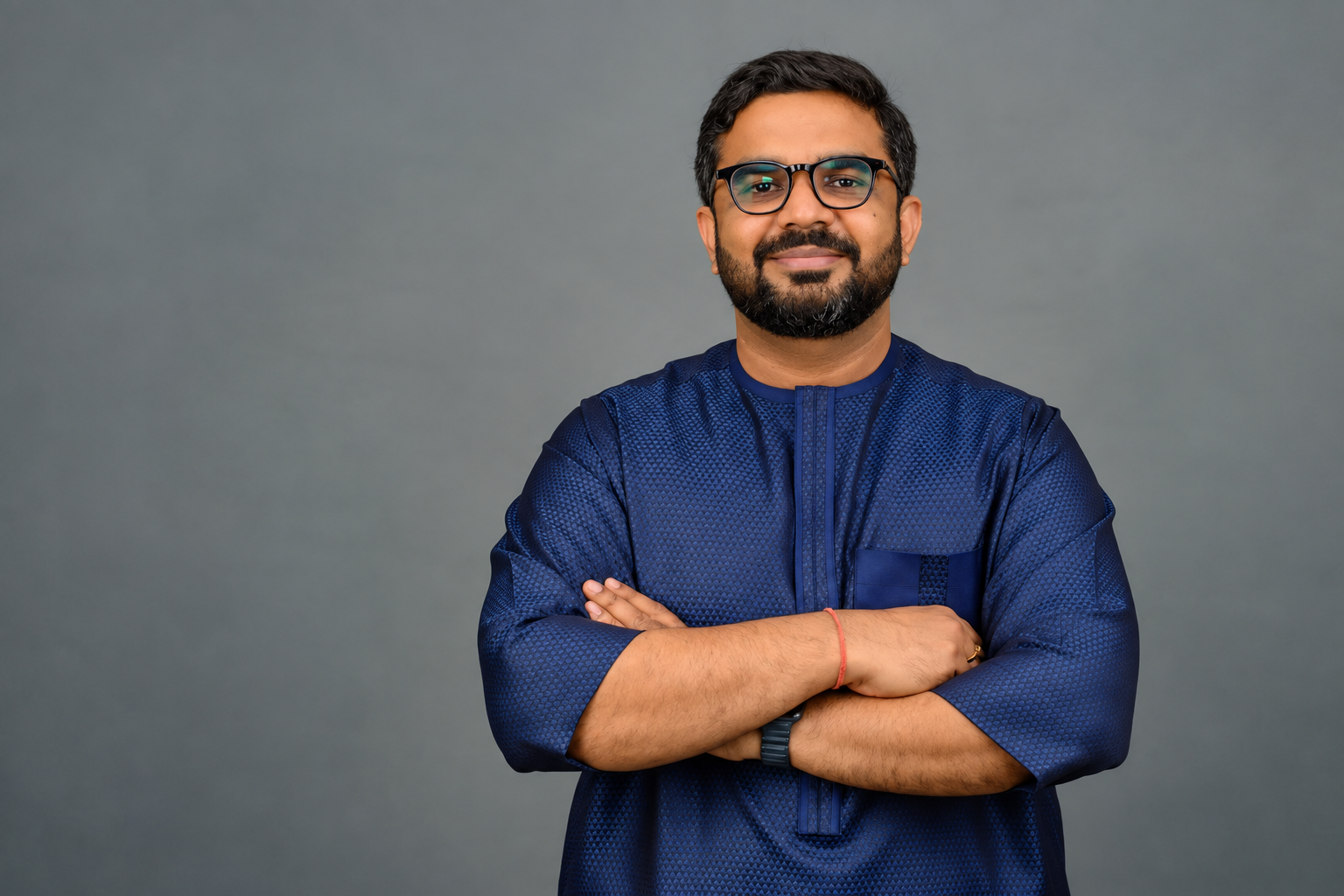
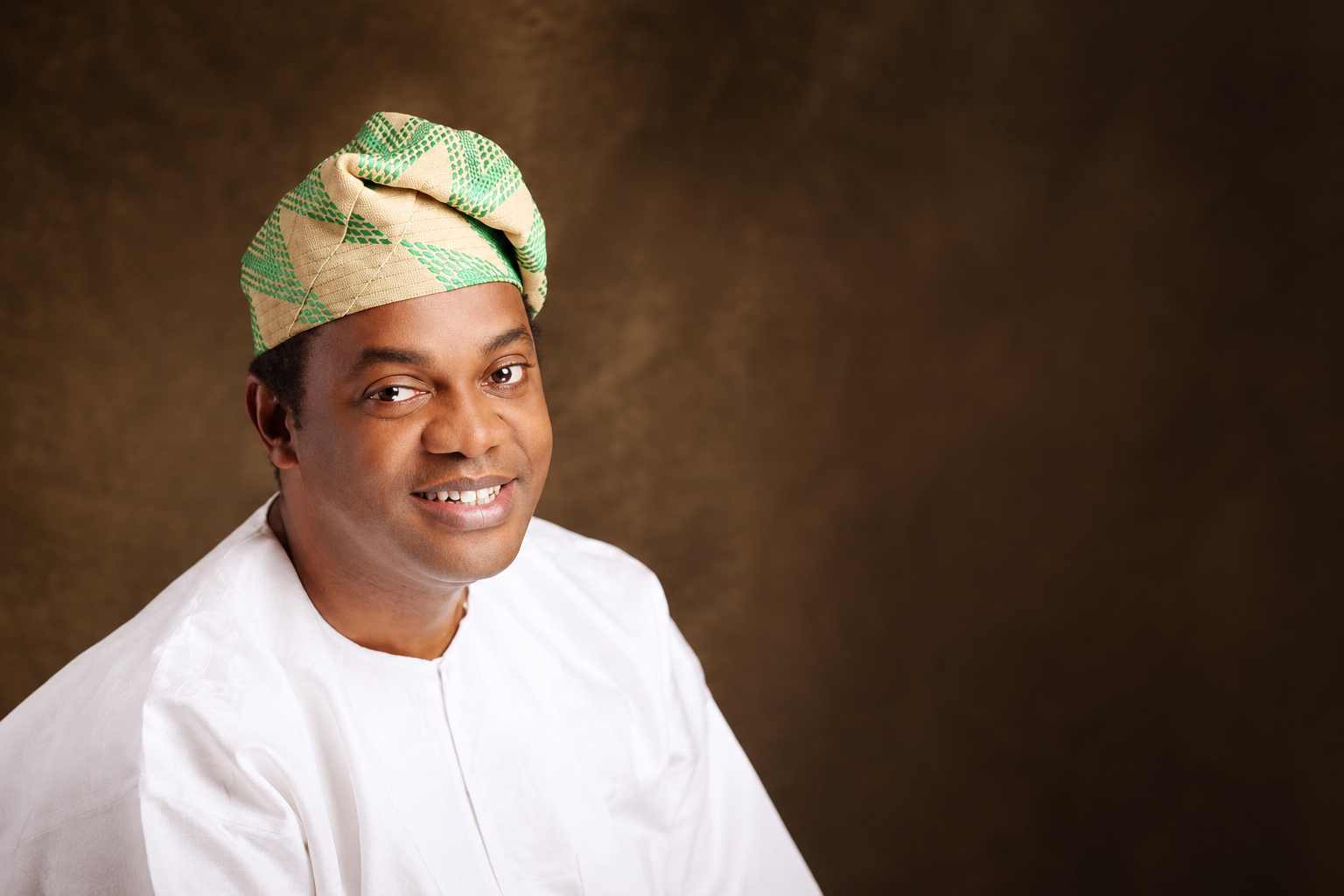
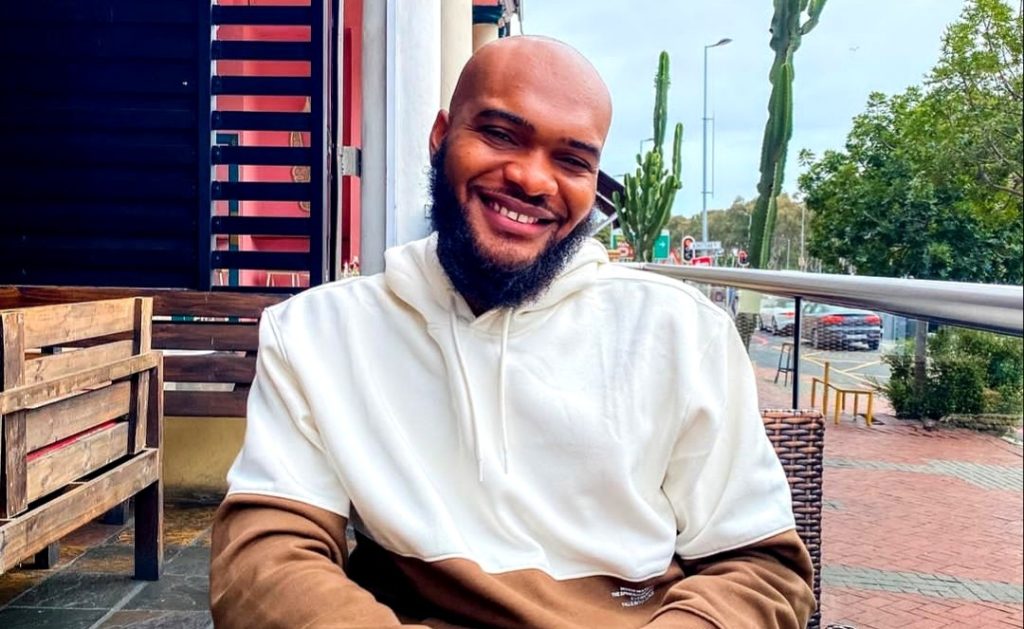
Among the most influential voices in that movement is Nigerian filmmaker, YouTuber, photographer, entrepreneur, and media personality is Tayo Aina, whose videos had become a visual passport into modern Africa. With more than a million subscribers and millions of viewers across the world, Aina had built a platform around one mission: documenting places, cultures, cities, and people in ways that challenged assumptions and expanded perspectives.
His work had taken him across continents, but during a recent extended stay in Nairobi, Kenya, he found himself reflecting not only on travel, but also on purpose, storytelling, and the evolving image of Africa itself. For Aina, Kenya had not simply been another destination to film; it became an experience to absorb.
YOU CAN ALSO READ: Africa’s Future Will Not Be Imported – It Must Move Freely Across Borders
Speaking while overlooking Nairobi’s skyline and greenery, he described Kenya as a place filled with endless possibilities and experiences. What struck him most was not only the architecture or rapid development, but the environment itself. The trees, landscapes, and openness of the city had left a strong impression on him. Looking around Nairobi, Aina saw something increasingly rare in rapidly urbanizing spaces: balance. He admired the city’s greenery and saw it as a feature that contributed significantly to its atmosphere and appeal.
But Kenya’s attraction, in his view, extended far beyond scenery. The people, he noted, had become one of its greatest strengths. Welcoming, open, and accommodating, they reminded him of something he had repeatedly discovered through years of travel: despite cultural differences and geography, people were often far more alike than different. That realization, he said, had become one of travel’s greatest lessons.
After years of crossing borders and experiencing places as diverse as Siberia and cities across Africa, Europe, and beyond, Aina concluded that people were inherently good. For someone who had spent years documenting unfamiliar places, meeting strangers, and immersing himself in different cultures, that perspective carried significance. Travel had not made the world seem smaller; instead, it made it feel more connected.
Yet his own journey into storytelling began far from international airports and cinematic travel films. Long before millions of subscribers, drone shots, and destination features, Aina had simply been a young Nigerian trying to find direction. Armed with a Bachelor of Technology degree and a mindset that had long resisted traditional career structures, he believed there had to be another path. Entrepreneurship fascinated him from an early age. As a child, he used pocket money to buy sweets and resell them to classmates, discovering early that money could create more money. That lesson remained with him.
After university, while searching for purpose, he briefly became an Uber driver in Lagos. It was not merely a source of income; it became an education. Driving across the city introduced him to neighborhoods, restaurants, and spaces he otherwise might never have encountered. Every passenger, every route, and every destination expanded his understanding of Lagos. Somewhere within those endless drives, an idea emerged. While watching YouTube creators document cities like London and New York, he realized something was missing. Few people were telling those stories about Lagos. So he decided to begin.
With a camera and curiosity, Aina started documenting places around Nigeria’s commercial capital, capturing restaurants, neighborhoods, and experiences from perspectives many viewers had never seen before. He had no roadmap, no marketing strategy, and no guarantee of success. He only had curiosity and YouTube. He immersed himself in learning, consuming countless videos to understand storytelling, editing, camera techniques, and filmmaking principles. Influencers like Casey Neistat and Peter McKinnon became virtual mentors. One influenced his storytelling approach, while the other shaped his understanding of visual craft. Together, they formed the foundation of his creative development.
Years later, Aina continued to credit relentless learning as one of the defining factors behind his growth. Success, he suggested, had never come from obsessing over subscriber milestones. Instead, it came from consistently showing up and continuing to create. His philosophy remained simple: start first, learn along the way, and avoid overthinking. One video gradually became another, and eventually another, until one day there were millions watching.
As his platform expanded, however, so did his understanding of the responsibility attached to visibility. The turning point came when he started creating content about Africa. Ironically, Kenya became the first African country outside Nigeria that he documented. The reaction surprised him. Viewers began sharing stories about finally seeing their countries represented differently. Africans abroad spoke about finally having content they could proudly share with friends and colleagues overseas. People who had grown accustomed to narratives portraying Africa solely through hardship suddenly saw skyscrapers, businesses, modern neighborhoods, and possibility. For Aina, that response changed everything. What began as content gradually became a mission. He realized he was participating in something larger than filmmaking. He was helping reshape perception.
Even as his work gained global recognition, Aina remained pragmatic. When asked about motivation, his first answer arrived with humor before shifting toward honesty. While financial reward mattered, he emphasized that impact and purpose remained equally important. Sustainability, he believed, mattered too. Creators, he argued, could not survive on passion alone. One of his strongest messages to aspiring creators centered around the idea that building content alone was not enough. Building systems was equally important. Followers alone did not create businesses. Communities required structure, strategy, and sustainability. Creators, he argued, needed to learn entrepreneurship alongside creativity because passion without systems eventually led to exhaustion.
YOU CAN ALSO READ: How Olumide Soyombo Built One of Africa’s Most Influential Investing Journeys
Travel also deepened Aina’s appreciation for another important subject: culture. Across Africa, he worried that many traditions risked disappearing under the pressures of globalization and westernization. He believed many generations had grown up being taught to undervalue aspects of African identity and heritage. Yet through travel, his perspective shifted. Culture, he argued, was not a relic of the past. It was a living archive. The stories, traditions, and practices that shaped communities deserved preservation. Documenting them mattered because decades from now, his videos could become more than entertainment. They could become time capsules, preserving records of where societies once stood and how they evolved.
Perhaps that explained why Nairobi resonated with him so deeply. It was not only the food, infrastructure, or real estate. It was possibility. Reliable electricity, creative freedom, welcoming communities, and the ability to film without unnecessary obstacles created something Aina rarely experienced: the feeling that a place could become home. He admitted that he had considered establishing a base somewhere within Africa, and not many places inspired that thought. Kenya did.
Perhaps that reflected something bigger about the continent itself. For years, Aina had traveled the world documenting places and introducing audiences to overlooked stories. Yet in many ways, his own work reflected a larger truth about Africa today: there remained countless places to discover, endless stories to tell, and perspectives still waiting to be seen.