Nigerian industrialist Aliko Dangote is set to begin construction of a 700,000-barrel-per-day oil refinery in Lamu, Kenya, in October 2026, advancing plans for what is expected to become East Africa’s largest refining facility.
The proposed refinery, initially estimated at about $17 billion, is now expected to cost approximately $16 billion, with Dangote Industries attributing the reduction to lessons learned from the development of its Lagos refinery, a faster construction schedule and lower financing costs.
The project is expected to take less than four years to complete and will serve Kenya as well as neighbouring markets including Uganda, Tanzania and South Sudan, potentially reducing the region’s reliance on imported refined petroleum products.
Dangote Industries confirmed Lamu as the location for the refinery in July, ending months of consideration of potential sites in Kenya and Tanzania. Preparatory activities, including soil testing, engineering and design work, are already underway.
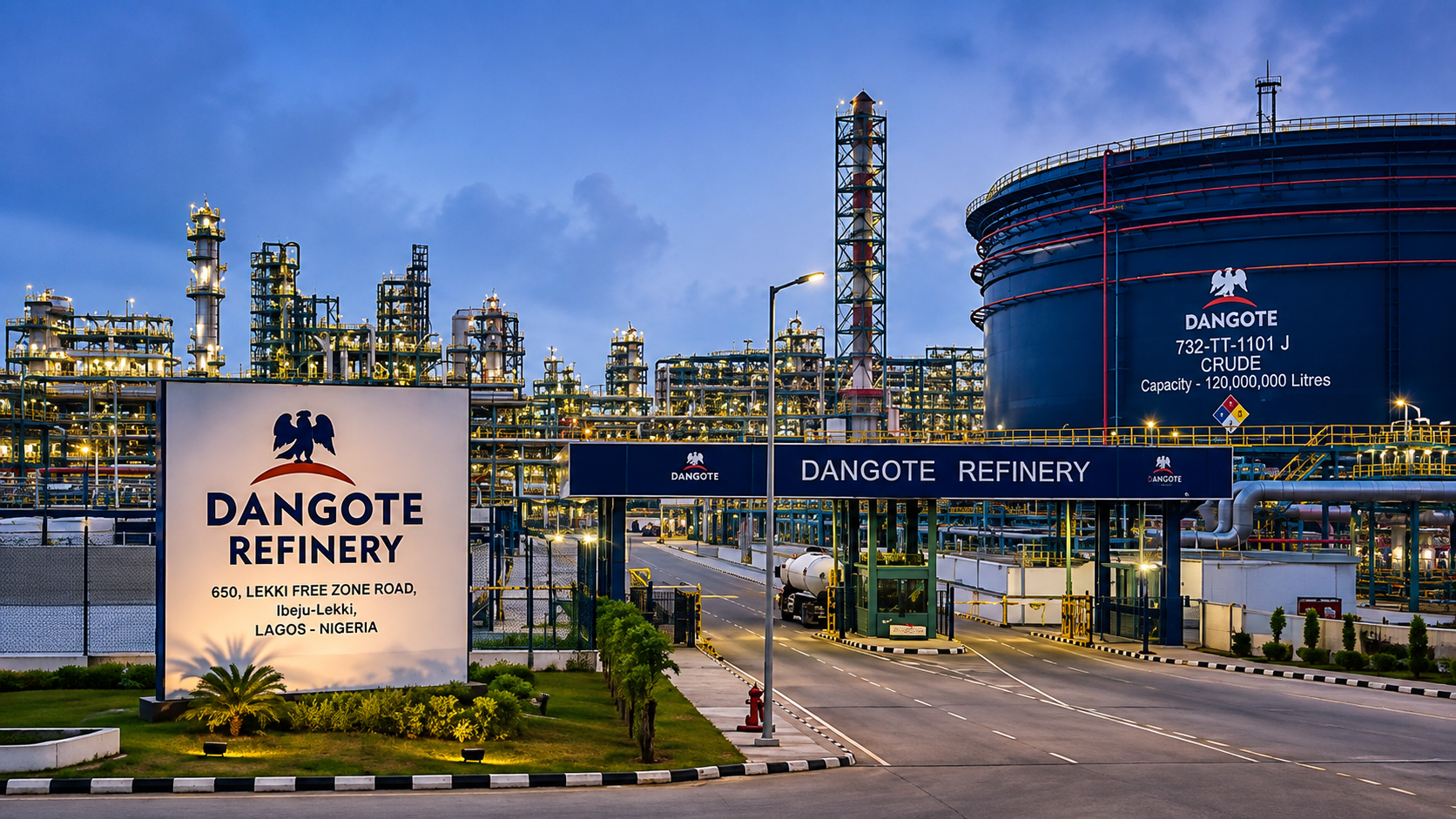
With a planned capacity of 700,000 barrels per day, the Lamu refinery would be East Africa’s largest refinery and one of the continent’s biggest refining facilities. It would also mark Dangote’s second major refinery project in Africa, following the 650,000-barrel-per-day Dangote Petroleum Refinery in Lagos.
YOU CAN ALSO READ: Employee Engagement Is an Economic Issue, Not Just an HR Issue — Kola Adesina
Dangote’s Lagos refinery, which began operations in 2024, has become a major source of refined petroleum products for Nigeria and international markets. The company is also pursuing an expansion that would eventually increase the Lagos facility’s capacity to 1.4 million barrels per day.
The Kenyan project forms part of Dangote Industries’ broader strategy of expanding refining capacity across Africa and reducing the continent’s dependence on imported petroleum products.
The choice of Lamu gives the project a significant logistical advantage. The Kenyan coastal town is connected to the Lamu Port-South Sudan-Ethiopia Transport Corridor, commonly known as LAPSSET, a major infrastructure initiative designed to connect Kenya’s northern coast with markets in East and Central Africa.
The combination of access to a deep-water port, planned transport infrastructure and proximity to major regional markets could allow the refinery to serve a market extending well beyond Kenya.
Kenya has relied heavily on imported refined petroleum products since the closure of its Mombasa refinery. A refinery of Dangote’s proposed scale could therefore fundamentally alter the country’s downstream petroleum industry, potentially positioning Kenya as a regional refining and fuel distribution hub.
Financing will be one of the critical components of the project’s execution. Dangote Industries has indicated that the refinery will be financed through a combination of internal cash flow, bonds and proceeds from the planned initial public offering of its refining business.
The company is targeting a major IPO for its Nigerian refinery business, with Reuters reporting that the offering could raise about $5 billion in October 2026. The proceeds are expected to support expansion of the Lagos refinery and the planned Kenyan facility.
The financing strategy reflects the increasing role of capital markets in Dangote’s broader refining expansion across Africa.
The proposed refinery could have significant implications for East Africa’s petroleum trade.
Kenya currently serves as a major import and distribution point for petroleum products consumed domestically and by landlocked neighbouring countries, particularly Uganda and South Sudan. Local refining capacity at Lamu could allow some of this demand to be supplied closer to the final markets.
However, the completion of the refinery alone would not automatically translate into lower fuel prices. Its commercial success would depend on crude supply, financing costs, logistics, taxes, regulatory conditions, storage infrastructure and distribution margins.
The project would also require supporting infrastructure, including port facilities, pipelines, roads, storage terminals and distribution networks, to develop alongside the refinery.
The Kenyan government has presented the project as a potentially significant investment for the country, with employment opportunities expected across construction, engineering, logistics, manufacturing and related services.
Beyond direct employment, the refinery could create opportunities for Kenyan businesses to participate in its supply chain, including engineering services, logistics, construction, maintenance, hospitality and other supporting industries.
Its wider economic impact, however, will depend on how effectively local companies and workers are integrated into the project and its long-term supply ecosystem.
The scale of the proposed development also brings environmental and social considerations.
YOU CAN ALSO READ: What Great Coaches Can Teach Nigerian CEOs About Leadership
Lamu is an environmentally sensitive coastal region with established fishing, tourism and local communities. Large infrastructure projects in the area have previously attracted scrutiny over environmental impacts, community consultation and land-related concerns.
The refinery will therefore need to secure the necessary environmental and regulatory approvals while addressing concerns from communities and other stakeholders before construction advances significantly.
The Lamu refinery represents another major step in Dangote’s strategy of expanding his large-scale industrial model beyond Nigeria.
If construction begins as planned in October, the project will move from site preparation and planning into a major execution phase. Its eventual success could reshape petroleum supply across East Africa while strengthening the region’s integration of energy, transport, trade and industrial infrastructure.
For Kenya, the project offers the prospect of moving from a predominantly fuel-importing market to becoming a regional refining and distribution centre. For Dangote, it represents an ambitious expansion of an industrial strategy that is increasingly positioning the group as a major player in Africa’s energy infrastructure.